







The Real Impact of Visa-Free Travel
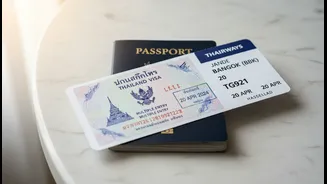
Thailand has seen some back-and-forth on its visa policies in 2026. After a proposal to end visa-free entry caused confusion and a dip in arrivals, the government confirmed that Indian tourists will receive a 30-day visa exemption. Previously, the visa-on-arrival
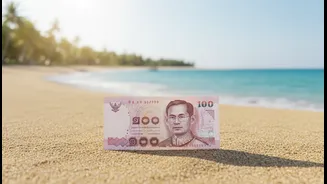
fee was around 2,000 Thai Baht, which is roughly ₹4,500 to ₹5,000. Waiving this fee is certainly a positive development, making entry smoother and saving a family of four up to ₹20,000. However, when you look at the total cost of a one-week trip, which can range from ₹50,000 to over ₹1,00,000 per person, this saving is a small fraction of the overall budget. It’s a great start, but it won’t fundamentally change the cost of your vacation.
Flights: Your Biggest Budget Variable
The single largest expense for a trip to Thailand from India is almost always the airfare. A round-trip ticket can swing wildly from ₹18,000 to ₹35,000 or more, depending on several key factors. Booking flights two to three months in advance can save you thousands compared to a last-minute purchase. Travelling during the shoulder seasons (like April-June and September-November) can slash flight costs by 40-50% compared to the peak season of December and January. The difference in cost between a well-planned, off-season flight and a spontaneous peak-season one can be over ₹15,000—three times the amount you'd save from a visa waiver.
Accommodation: A Daily Cost Driver
Your choice of where to stay has a massive impact on your daily budget. Thailand offers a vast spectrum of options, from budget hostels available for ₹500–₹800 per night to mid-range hotels at ₹2,000–₹4,000, and luxury resorts that can cost ₹10,000 or more. Over a six-night trip, choosing a comfortable but budget-friendly guesthouse over a high-end hotel could save you more than ₹30,000. This choice alone dwarfs the savings from the visa fee. Furthermore, staying in centrally located areas, especially in cities like Bangkok, can reduce your daily transport costs, adding to the savings.
Daily Spends: Food, Transport, and Fun
This is where costs can quietly add up if not managed. Eating delicious street food for most meals might cost you only ₹500–₹800 per day. In contrast, dining at tourist-focused restaurants and cafes can easily push your daily food bill to ₹2,000 or more. Similarly, relying on public transport like Bangkok's BTS Skytrain is far cheaper than taking tuk-tuks or private taxis for every trip. Activities like island hopping tours, spa treatments, and shopping are where budgets often get derailed. Pre-booking a few essential tours and setting a daily spending limit can prevent your budget from spiralling, saving you far more than the initial visa fee over the course of a week.
Smart Planning Is the Ultimate Money-Saver
A successful budget trip to Thailand is a game of thoughtful choices. The visa waiver is a headline-grabber, but true savings come from the groundwork you do before you leave. This involves travelling during the off-season, booking flights and hotels well in advance, creating a rough daily budget for food and activities, and choosing destinations wisely—for instance, Northern Thailand is generally 20-30% cheaper than the popular southern islands like Phuket and Koh Samui. A well-planned trip allows you to enjoy the best of what Thailand has to offer without feeling financially strained, proving that strategic planning is the most powerful tool for controlling your travel costs.