





Start With a Thorough Clean
The most critical first step is to clean every single item before it goes into storage. Even if a sweater or jacket looks clean, invisible residues like body oils, perfume, or tiny food particles can cause stains to set and yellow over time. These residues also
attract pests like moths, which are drawn to natural fibres carrying even trace amounts of organic matter. Follow the care label on each garment. Delicate items like wool and cashmere may require handwashing with a gentle detergent or professional dry cleaning. For durable outerwear, pre-treat any salt stains or dirt before laundering. A quick pass with a garment steamer can also help refresh fabrics and remove lingering odours. Ensuring everything is completely dry before packing is non-negotiable, as even a small amount of dampness can lead to mildew.
The Importance of Airflow
Clothes need to breathe. Proper air circulation is essential for preventing moisture buildup, which creates a breeding ground for mould and mildew. For this reason, you should avoid sealing clothes in standard plastic bags or bins for long-term storage. Plastic traps moisture and humidity, which can lead to musty smells, fabric deterioration, and discoloration. Certain plastics can even release chemicals over time that cause fabrics to yellow. The best storage options are made from breathable materials like cotton or canvas garment bags, fabric storage boxes, or even clean cotton sheets draped over items in a closet. If you must use plastic containers, ensure they are not packed too tightly, allowing some room for air to move.
Choose the Right Storage Location
Where you store your winter clothes matters as much as how you store them. The ideal environment is cool, dark, dry, and well-ventilated. Attics, garages, and damp basements should be avoided, as they often experience extreme temperature fluctuations and humidity that can damage fibres. High heat can cause fabrics to become brittle, while humidity invites mildew. Good locations include a spare closet, under a bed in a climate-controlled room, or on a high shelf. Wherever you choose, make sure the space is clean and free of dust. Elevating containers off the floor can also help protect them from any potential moisture issues.
Fold, Don't Hang, Heavy Knits
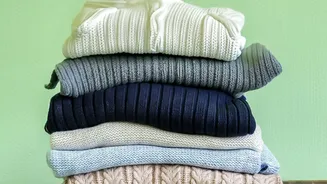
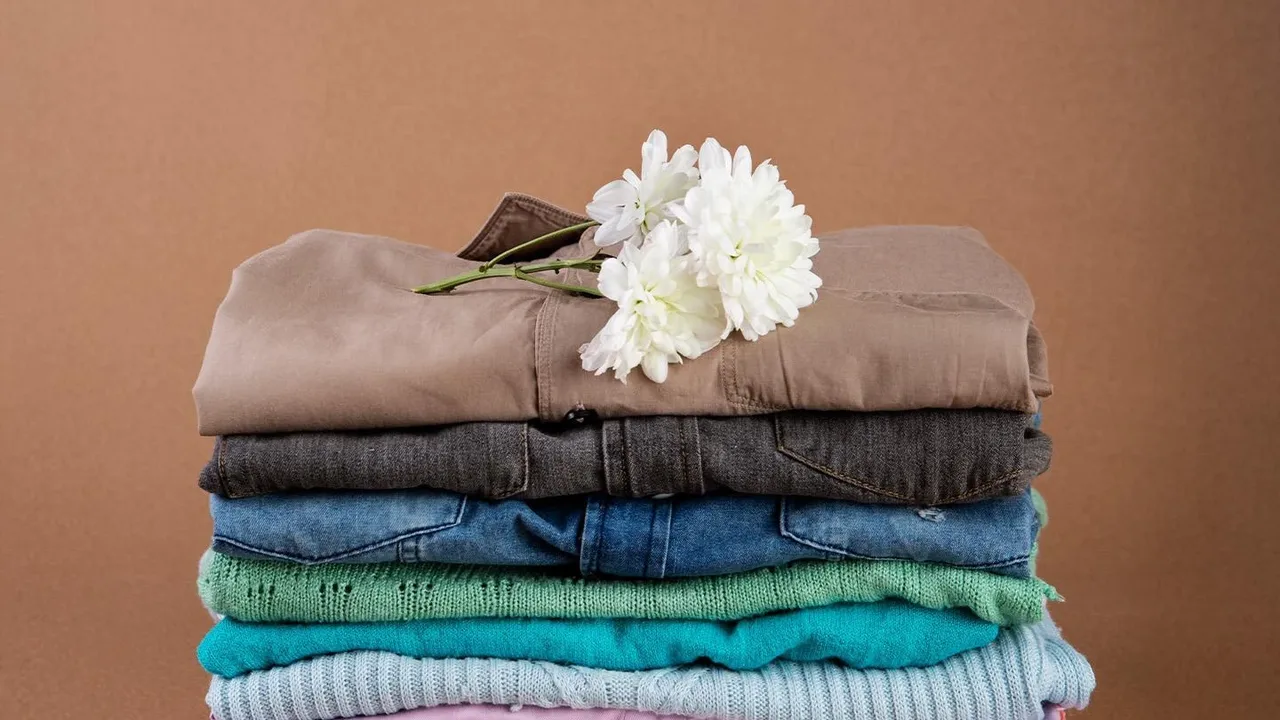
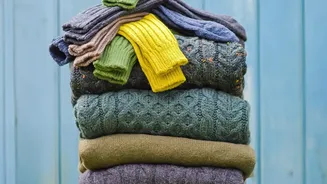
While it might be tempting to hang everything, heavy knit sweaters made of wool or cashmere should always be folded. Hanging these items for months can cause the weight of the garment to stretch the fibres, leading to distorted shoulders and a misshapen silhouette. The best practice is to fold them neatly and store them flat. To prevent deep creases from setting in, you can place acid-free tissue paper between the folds. Structured items like coats and jackets, however, should be hung on sturdy, wide, or padded hangers that can support their weight without causing damage.
Natural Pest Prevention
To protect your natural fibres from moths and other pests, you don't need to rely on harsh chemical mothballs. Natural alternatives are effective and leave your clothes smelling much better. Cedar is a classic choice, as its aromatic oils repel insects. You can use cedar blocks, chips, or rings, but remember to sand them lightly every few years to refresh their scent. Sachets filled with dried herbs like lavender, rosemary, mint, or cloves are also excellent deterrents. These can be tucked into drawers or storage bins. Not only do they discourage pests, but they also impart a pleasant, subtle fragrance to your wardrobe.