







Book Smart, Travel Smarter
Monsoon travel requires a strategic approach right from the booking stage. When choosing your destination, research its monsoon patterns. Some regions become inaccessible due to landslides or flooding, while others blossom. Opt for flexible bookings for flights
and hotels, even if they cost slightly more. Many properties offer flexible cancellation policies during the off-season, which can be a lifesaver if weather warnings force a change of plans. Also, build buffer days into your itinerary. A tight schedule is the first casualty of a weather delay. Planning for an extra day or two allows you to navigate disruptions without stress, ensuring you don't miss a crucial connection or a pre-booked experience. Arriving a day early for an important event is a wise move during this season.
Let Technology Be Your Guide
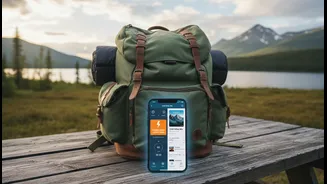
In the age of smartphones, information is your best friend. Before and during your trip, use reliable weather apps to stay updated on forecasts. The India Meteorological Department’s (IMD) official apps, alongside global ones like AccuWeather, can provide crucial alerts for heavy rainfall or storms. For transport, download your airline’s app for real-time flight status notifications. For train journeys, apps like the official IRCTC Rail Connect or 'Where is my Train' offer live tracking and PNR status updates. In cities prone to waterlogging like Mumbai, local municipal apps can provide information on traffic diversions and flooded areas. Having a good mapping service with offline capabilities is also essential for navigating unfamiliar routes if your original plan is disrupted.
Know Your Passenger Rights
Delays and cancellations are frustrating, but knowing your rights can help you manage the situation effectively. For air travel in India, the Directorate General of Civil Aviation (DGCA) has specific rules. If your flight is significantly delayed, airlines are often required to provide meals and refreshments. For longer delays or cancellations where the airline is at fault, you may be entitled to an alternate flight, a full refund, or even hotel accommodation. However, these compensations generally do not apply to weather-related disruptions, which are considered 'force majeure' events. For train travel, if your train is delayed by more than three hours and you decide not to travel, you can file a Ticket Deposit Receipt (TDR) before the train's departure to claim a full refund.
Pack for the Pour
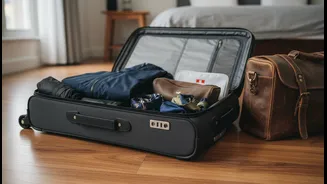
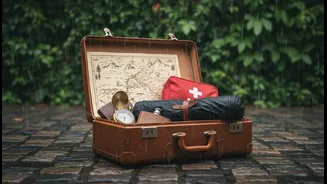
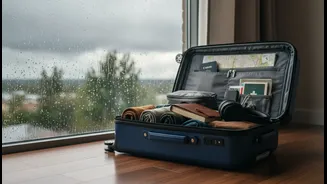
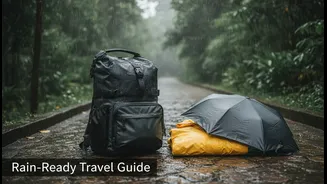
Your packing list can make or break a monsoon trip. Prioritize quick-drying clothes made from synthetic fabrics over cotton and denim, which take forever to dry in humid conditions. A high-quality, lightweight raincoat or poncho is non-negotiable. Waterproof footwear with good grip is essential to navigate slippery streets and muddy trails. Protect your valuables by carrying a waterproof backpack or, at the very least, a rain cover for your bag and zip-lock pouches for your electronics, passport, and cash. Also include a power bank, as power cuts can be common during heavy rains, and a basic first-aid kit with mosquito repellent. A compact, quick-dry towel is another handy item that won't add much weight to your luggage.
Navigating Roads and Rails Safely
If you're planning a road trip, be extra cautious. Check your vehicle’s tyres, brakes, and wipers before you start. Drive slowly, maintain a safe distance from the vehicle ahead, and use your headlights for better visibility even during the day. Never attempt to drive through heavily waterlogged streets, as they can hide deep potholes or open manholes. For train travel, always check the train's status before leaving for the station. Platforms can be slippery, so walk carefully and stay away from the edge. Listen to announcements for any last-minute platform changes or delays. Avoid crossing tracks, as services can be unpredictable during heavy rains.
Health and Wellness on the Go
The monsoon season can bring a spike in water-borne and mosquito-borne illnesses. Be mindful of what you eat and drink. Stick to bottled or boiled water and eat at clean, reputable establishments. High street food turnover is often a good sign. Carry mosquito repellent and consider using it even during the day, as dengue-spreading mosquitoes are active then. Keeping your feet dry and clean can help prevent fungal infections, a common issue during the rains. It's also wise to carry basic medications for common ailments like colds, fever, and stomach upsets, especially if you are travelling to a remote area where a pharmacy may not be readily accessible.