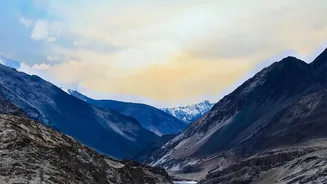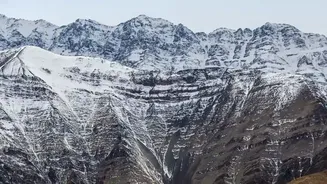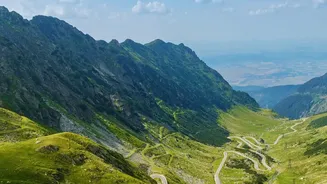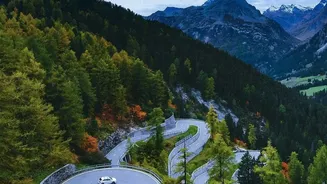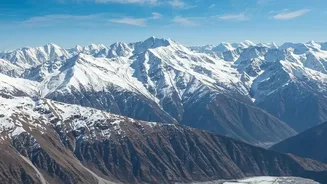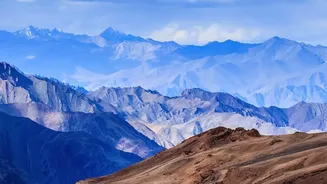

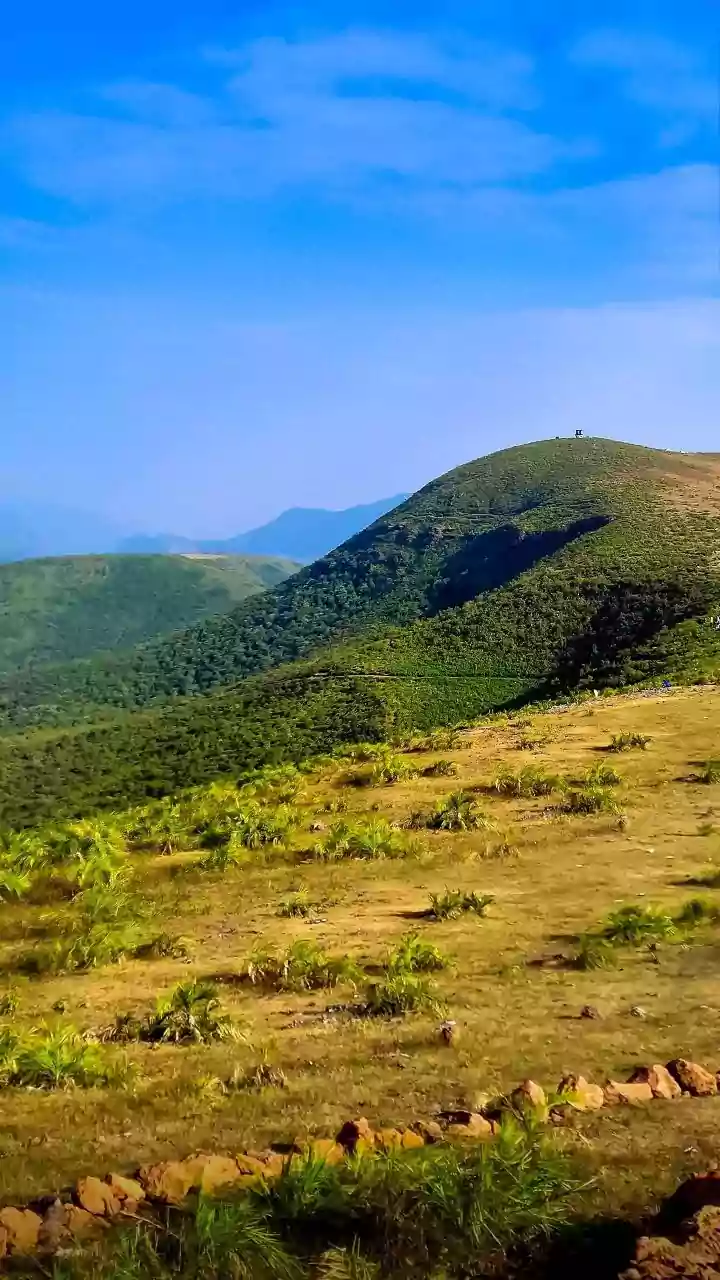



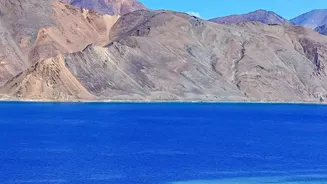
Understanding Autumn in Spiti
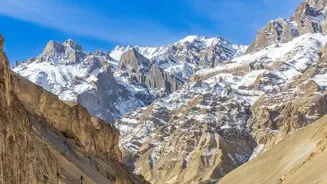
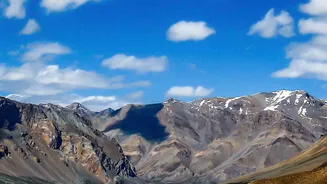
Autumn (September to October) is a magical time in Spiti. The post-monsoon air provides sharp visibility and the tourist crowds thin out. Daytime temperatures can be pleasant, but they plummet dramatically after sunset, often falling below freezing, especially
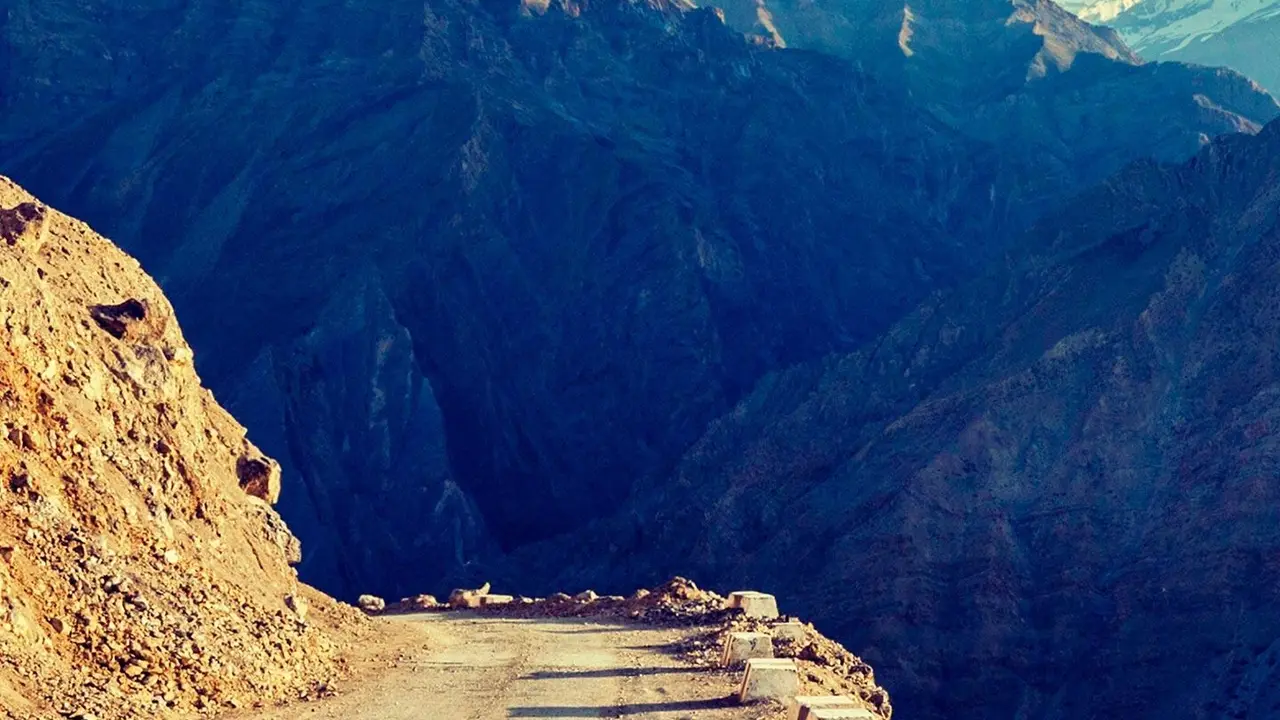
at higher elevations. The biggest risk this season is the unpredictable weather on high passes like Kunzum La. Early snowfall can lead to temporary road closures and the formation of black ice, which is nearly invisible and extremely dangerous on winding roads. Many smaller guesthouses and dhabas also begin to close for the winter, making it crucial to book accommodations in advance.
Health First: Preventing Altitude Sickness
Acute Mountain Sickness (AMS) is a serious risk in Spiti, where the main town of Kaza sits at roughly 3,650 metres (12,000 feet). AMS is caused by ascending too quickly to high elevations where lower oxygen levels exist. Symptoms include headache, nausea, dizziness, fatigue, and difficulty sleeping. To prevent it, acclimatisation is non-negotiable. Plan your route to allow for gradual ascent. The Shimla-Kaza route is recommended over the Manali-Kaza route for this reason, as it involves a slower climb. Spend at least one night at a lower altitude like Kalpa or Reckong Peo (around 3,000 metres) before proceeding higher. Once above 3,000 metres, try not to increase your sleeping altitude by more than 500 metres per night. Stay well-hydrated by drinking 4-5 litres of water daily, eat high-carbohydrate meals, and avoid alcohol for the first few days. For persistent symptoms, the only cure is to descend to a lower altitude immediately.
Vehicle Readiness for Treacherous Roads
Your vehicle is your lifeline in Spiti's remote terrain. Before you begin, get it thoroughly serviced by a trusted mechanic. Pay close attention to the brakes, tyres, engine oil, coolant, and battery. Ensure your tyres have adequate tread; All-Terrain (AT) tyres are highly recommended over standard highway tyres for better grip on gravel and broken patches. Check the spare tyre and make sure you have a complete toolkit, including a jack and wrench. It’s also wise to learn how to perform basic tasks like changing a tyre. Given the high chance of the car's underbody scraping against the road, inspect it for any loose parts or rust. Carry extra fuel, as petrol pumps are scarce and can be found mainly in larger towns like Kaza and Reckong Peo.
The Art of Layering: What to Pack
Packing for Spiti in autumn is all about layering. The weather can swing from sunny and pleasant to freezing cold in a matter of hours. The three-layer system is most effective: a base layer of moisture-wicking thermals, a mid-layer of fleece or a down jacket for insulation, and an outer shell that is both windproof and waterproof. Avoid cotton as a base layer as it retains moisture and will make you colder. Other essentials include several pairs of woollen socks, waterproof trekking shoes, warm gloves, a woollen cap or beanie, and a neck gaiter. Due to the high altitude, the sun's UV rays are harsh, so a good pair of sunglasses, sunscreen (SPF 50+), and lip balm are mandatory to protect your skin and eyes.
Itinerary Planning and On-Road Safety
A rushed itinerary is a recipe for disaster in Spiti. Always build buffer days into your plan to account for potential road closures, bad weather, or the need for extra acclimatisation. Start your driving day early and aim to reach your destination by late afternoon, as driving at night is extremely hazardous due to poor visibility and isolated roads. Be aware of road conditions. The Manali-Kaza highway via Kunzum Pass is particularly challenging and can close without warning from late September onwards. The Shimla-Kinnaur-Kaza route is generally more stable in autumn. Always check with locals or the Lahaul & Spiti district administration's official pages for the latest road status before you travel.
Connectivity and Emergency Preparedness
Mobile connectivity in Spiti is limited and unreliable. BSNL and Jio postpaid SIMs offer the best coverage, but this is largely restricted to Kaza and a few other major towns. Expect long stretches with zero signal. Download offline maps of the entire region before you start your journey. Medical facilities are basic. Kaza has a government hospital, but for any serious emergencies, evacuation to a larger city like Shimla or Manali is necessary. Carry a comprehensive first-aid kit with medications for common ailments like headaches, fever, and stomach issues, as well as any personal medications and AMS drugs like Acetazolamide (after consulting a doctor). It is also highly recommended to have travel insurance that covers emergency medical evacuation.