





The Heart of the Matter: Cardio Health
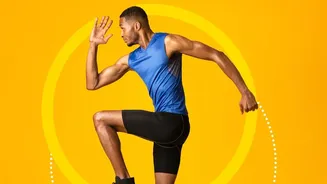
Both aerobics and trampolining (also known as rebounding) are excellent forms of aerobic exercise, meaning they get your heart rate up and improve how your body uses oxygen. Classic aerobics, like dance classes or step workouts, provide a structured way
to sustain an elevated heart rate, which strengthens your heart muscle and improves circulation. Trampolining achieves the same cardiovascular benefits, with some studies suggesting it can be significantly more efficient. A well-known NASA study found that 10 minutes of rebounding could be equivalent to a 30-minute run. The key with both is intensity; a leisurely bounce won't challenge your heart as much as a high-energy aerobics routine, and vice versa.
Joint Impact: A Key Difference
This is where trampolining truly shines. High-impact aerobics can be tough on the joints, especially the knees, hips, and ankles. In contrast, rebounding is a low-impact exercise. The trampoline mat absorbs a significant amount of the shock—up to 80%—that would otherwise be sent through your joints, making it a fantastic option for those with joint sensitivity, previous injuries, or who are just looking for a gentler workout. This reduction in stress means you can often work out for longer without discomfort, which is a major plus for consistency. Aerobics can be modified to be lower impact, such as with water aerobics, but standard classes often involve more jarring movements.
Calorie Burn and Weight Management
When it comes to weight loss, creating a calorie deficit is what matters most. Both activities are effective calorie-burners, but the exact number depends heavily on your weight, the intensity, and the duration of your workout. A vigorous 30-minute aerobics session might burn more calories than a gentle 30-minute bouncing session. However, some research indicates that trampolining can be surprisingly efficient. One study found a person could burn more calories in 12 minutes on a trampoline than running on a treadmill for the same amount of time. Ultimately, the 'better' calorie-burner is the one you'll do with more intensity and consistency.
Muscle Engagement and Full-Body Fitness
Aerobic dance and step classes are great for targeting large muscle groups in the legs and glutes, while also engaging the core for stability. Trampolining offers a more comprehensive, full-body workout. The unstable surface of the trampoline forces you to constantly engage your core, back, and pelvic floor muscles to maintain balance. Every jump works your legs, including quads and hamstrings, while your stabiliser muscles work overtime. Trampolining is also praised for its unique benefit to the lymphatic system; the bouncing motion is thought to help circulate lymph fluid, aiding in the body's natural detoxification process.
The Fun Factor, Accessibility, and Cost
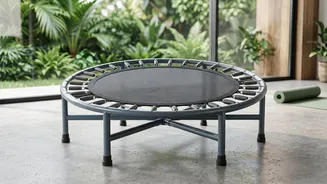
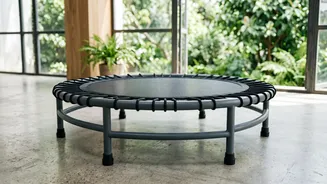
This might be the most important factor of all. The most effective workout is the one you actually do. Many people find trampolining incredibly fun, which makes it feel less like a chore and more like play. This can be a powerful motivator for sticking with a routine. In terms of accessibility, aerobics classes are widely available at gyms or online. To start trampolining at home, you need to purchase a mini-trampoline, or rebounder, which involves an initial cost. However, once you own it, you have a convenient workout option available anytime, which can be a huge advantage for busy schedules.