

First, What Are Cloud Kitchens?
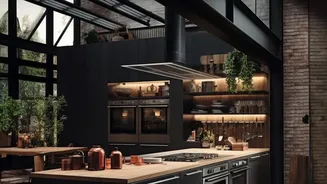
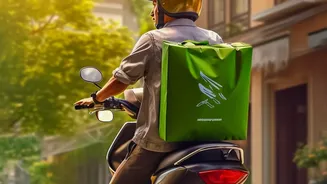
You have likely ordered from a cloud kitchen without even knowing it. Also known as ghost or dark kitchens, these are delivery-only restaurants with no physical storefront or dining area. Food is prepared in a licensed commercial kitchen and sent directly
to customers via delivery apps. This model exploded in popularity, especially during the pandemic, because it slashes the high overhead costs of running a traditional restaurant, such as rent for a prime location and front-of-house staff. Entrepreneurs can launch new food concepts with lower investment and risk, testing menus and reaching a wide audience through platforms like Zomato and Swiggy. The Indian cloud kitchen market, valued at over ₹9,700 crore in 2024, is projected to grow significantly, showing a major shift in how urban India eats.
Enter the 'Micro' Revolution
The 'micro-cloud kitchen' takes this concept a step further. Instead of a large, centralized kitchen housing multiple brands, a micro-kitchen leverages existing, smaller spaces—sometimes even a section of an underutilised restaurant kitchen. The key is its hyperlocal focus. These compact operations are designed to serve a very specific, small geographic radius, often just a few kilometres. This proximity allows for incredibly fast delivery times, ensuring food arrives hot and fresh. The model is built on agility; operators can quickly test niche concepts with minimal waste and investment. By focusing on a small delivery zone, they can fine-tune their menu to the specific tastes of that neighbourhood, a level of customisation that larger, city-wide kitchens can't match.
A Journey into Tribal Flavours
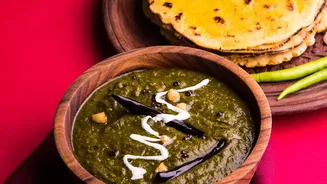
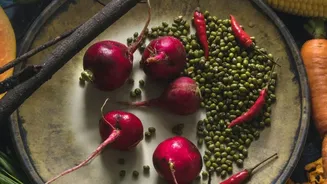
What makes this trend truly fascinating is the culinary direction some entrepreneurs are taking. They are using this hyper-efficient model to resurrect and popularise India's tribal cuisines. These are not your standard restaurant fare. We’re talking about dishes like bamboo shoot curry from Nagaland, Kodo millet khichdi from Madhya Pradesh, or Puttu with fish curry from Kerala's communities. These recipes are deeply rooted in local ecosystems, using foraged greens, regional grains like finger millet (madia), and cooking techniques passed down through generations. For centuries, this food has remained largely undocumented and confined to specific communities. The micro-kitchen model provides a low-risk platform to introduce these complex, authentic flavours to urban foodies who are increasingly seeking new and meaningful culinary experiences.
The Business of Heritage
This fusion of old and new presents a compelling business case. For chefs and entrepreneurs, it’s a way to stand out in a crowded market. Instead of another generic pizza or burger brand, they can offer a unique story and a connection to cultural roots. This approach taps into a growing consumer desire for authenticity and conscious consumption. Furthermore, it creates a new economic value for indigenous ingredients and knowledge. By building a supply chain for specific regional products, these ventures can support local farmers and producers. However, challenges remain. Sourcing authentic, high-quality ingredients consistently can be difficult. Educating customers about unfamiliar dishes and flavour profiles also requires smart marketing and patience. Success depends on balancing cultural authenticity with the operational demands of a fast-paced delivery business.