


Prepare Your Vehicle Before You Start
A successful monsoon ghat trip begins before you even turn the key. Your car is your partner in this adventure, and it needs to be in top condition. First, focus on visibility. Check your wiper blades; if they leave streaks or make noise, replace them.
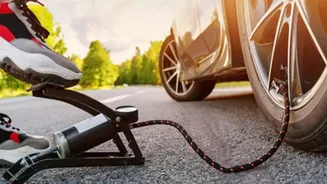
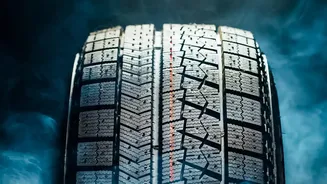
It’s a small cost for a massive safety gain in a downpour. Top up your windshield washer fluid with a proper cleaning solution, not just water, to cut through road grime. Next, inspect your tyres. They are your only contact with the slippery road. Ensure the tread depth is well above the minimum of 1.6mm; for monsoons, 3mm is a safer bet. Also, check the lights—headlights, taillights, brake lights, and fog lamps must be in perfect working order. Finally, get your brakes checked. Wet roads can significantly increase your stopping distance, so your brake pads and discs need to be in excellent shape.
Mastering the Monsoon Ghat Road
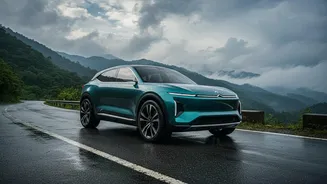
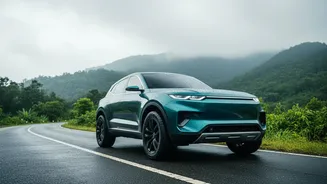
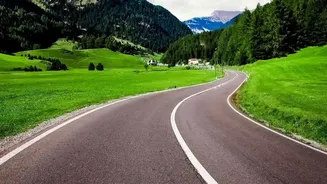
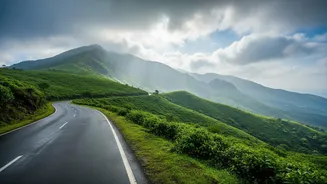
Driving on winding mountain roads during the monsoon is a test of skill and patience. The golden rule is to slow down. Your speed should be 20-30% lower than what you might drive in dry conditions. Wet roads dramatically reduce tyre grip and increase the risk of hydroplaning, where your car effectively floats on a layer of water, leading to a complete loss of control. Maintain a much larger gap between you and the vehicle in front—at least a four-second gap is recommended. When descending steep slopes, use engine braking by shifting to a lower gear. This prevents your brakes from overheating and fading. Honk liberally on blind curves; it's standard practice in the ghats and crucial when visibility is low. Be extremely vigilant for potential hazards like small landslides, fallen branches, or loose gravel washed onto the road.
The Unique Challenges of Night Driving
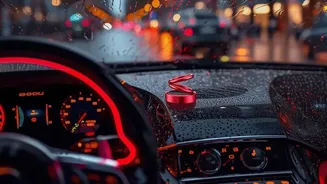
Adding darkness to the mix of rain and ghats elevates the risk considerably. The most important rule is to avoid it if possible. Plan your trip to ensure you cover the main ghat sections during daylight hours. If you absolutely must drive at night, your strategy needs to adapt. Use your low beams in rain or fog. Using high beams will reflect light off the water droplets and mist, blinding you instead of helping you see. Reduce your speed even further than you would during the day. Judging distances and spotting potholes or obstacles is significantly harder at night. Be wary of the glare from oncoming traffic, which is amplified on wet roads. If visibility drops suddenly and severely, it's safer to pull over at a safe spot, away from traffic, and wait for the downpour to ease.
Navigating Waterlogging and Low Visibility
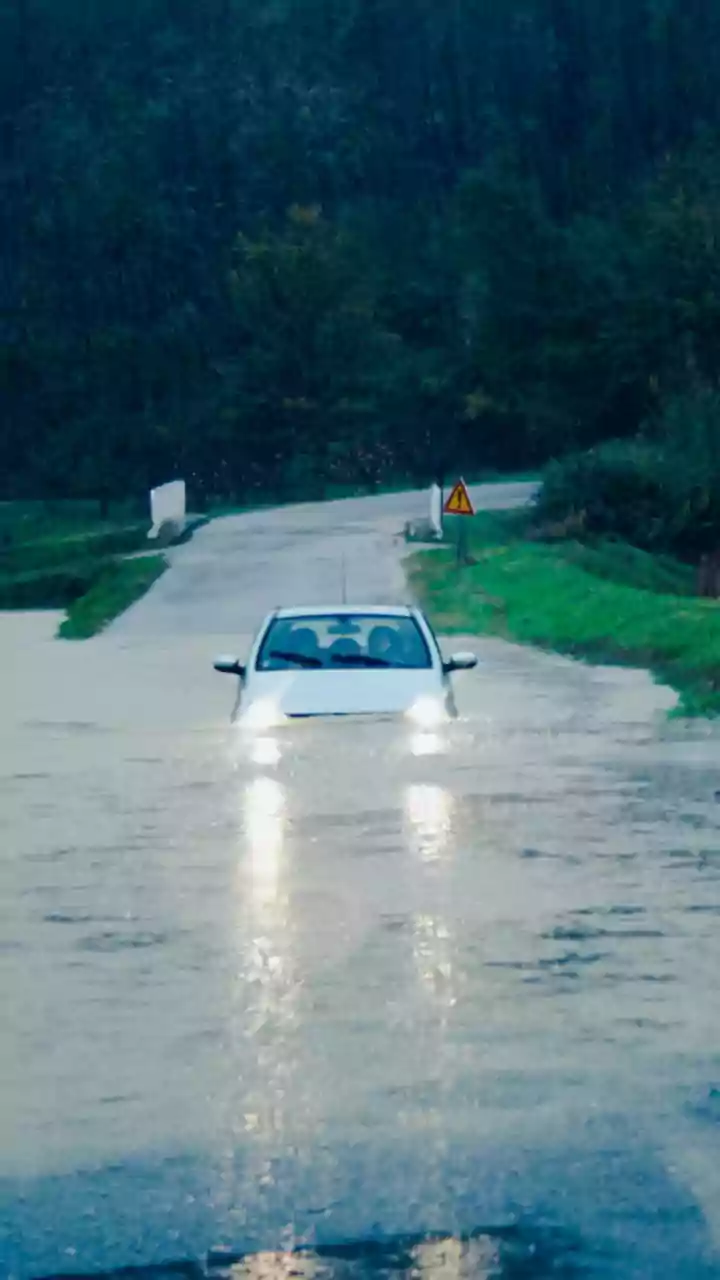
You will inevitably encounter patches of heavy rain and waterlogged roads. Never drive through deep or fast-moving water. If you can't see the road surface beneath the water, it's too deep to risk. Water can enter your engine and cause catastrophic, expensive damage. After driving through a puddle, gently tap your brakes to dry them out and ensure they are working effectively. In situations of extremely low visibility, like dense fog or a torrential downpour, turn on your headlights. This is less about helping you see and more about making you visible to other drivers. Avoid using your hazard lights while moving, as this can confuse other drivers who may think you are stopped. If your windscreen fogs up from the inside, use your car's air conditioner and demister setting to clear it quickly.
Pack an Emergency Kit
Being prepared for the worst can make all the difference. Your monsoon road trip emergency kit should be comprehensive. Start with the basics: a well-stocked first-aid kit with bandages, antiseptic, and any personal medications. A powerful flashlight with extra batteries is non-negotiable. Pack non-perishable snacks like energy bars and nuts, along with plenty of drinking water, in case you get stranded. A basic toolkit, including a wrench, pliers, and duct tape, can be a lifesaver for minor repairs. Ensure you have a functional spare tyre and the tools to change it. Also include a tow rope, jumper cables, and a reflective warning triangle. For personal comfort and safety, pack waterproof jackets, an extra set of dry clothes, and a blanket. A power bank for your phone is essential to stay connected.