







The Superfood Makeover
The single biggest driver behind the guava’s recent surge is its remarkable health profile. Long enjoyed with a sprinkle of salt and chili, the fruit is now being recognized for its powerful nutritional benefits, propelling it from a simple snack to a wellness
staple. Guavas are a phenomenal source of Vitamin C, containing four to five times more than an orange. This potent antioxidant punch has made it a go-to fruit for boosting immunity, a concern that has become top-of-mind for countless Indians in recent years. Furthermore, with its high fibre content and low glycemic index, the guava is celebrated as a diabetic-friendly fruit that helps manage blood sugar levels. This combination of immunity-boosting and diabetes-managing properties has created a new and enthusiastic consumer base, from urban health-conscious millennials to older generations seeking natural ways to stay healthy. Social media and wellness influencers have amplified this message, rebranding the common amrood as an accessible, affordable 'superfood'.
Not Your Grandfather's Guava
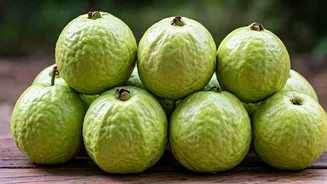
While health trends explain the 'why,' innovation in varieties explains the 'what.' The guavas driving this sales boom are often not the small, seeded, and intensely aromatic fruits of yesteryear. Farmers across states like Maharashtra, Andhra Pradesh, Uttar Pradesh, and Haryana are increasingly cultivating new, high-yield varieties that are transforming the consumer experience. The most prominent among these is the Thai guava (VNR-1), a large, crisp, and mildly sweet fruit with fewer seeds and a longer shelf life. This variety appeals to consumers who prefer a crunchy, apple-like texture and is easier for retailers to stock and sell. Alongside it, pink-fleshed varieties like the Lalit or Allahabad Surkha are gaining massive popularity, not just for their vibrant colour and higher lycopene content, but also because they are perfect for the burgeoning market of juices, jams, and processed foods. These new varieties look better, travel better, and offer a consistent quality that is expanding the guava's market appeal far beyond the local street cart.
A Farmer's Sweet Deal
For the trend to be sustainable, the economics must work for the farmer—and with guava, they do, spectacularly. Guava cultivation has become one of the most profitable horticultural ventures in India. Traditional fruit crops can take years to bear fruit, but modern guava orchards, using techniques like ultra-high-density planting, can start yielding fruit within a year. This method allows farmers to plant many more trees per acre, leading to significantly higher yields and quicker returns on investment. A single acre of well-managed guava orchard can generate profits that far surpass those from traditional crops like sugarcane or paddy in the same area. The plants are hardy, require relatively less water, and can be cultivated in a wide range of soil conditions, making them a resilient choice for farmers facing climate uncertainty. This combination of fast growth, high yield, and robust market demand has created a virtuous cycle, encouraging more farmers to shift to guava cultivation and ensuring a steady supply to meet the rising demand.
From Local Bazaars to Hypermarkets
The guava’s journey from a regional, seasonal fruit to a national phenomenon is also a story of a modernizing supply chain. Previously, the fruit's short shelf life confined it to local markets. However, the development of hardier varieties and improved post-harvest management techniques has changed the game. Guavas are now a common sight in organised retail, from supermarket shelves to online grocery platforms, often pre-cut and packaged for convenience. This expanded availability has introduced the fruit to a wider urban audience that may not frequent traditional mandis. The consistency in quality and year-round availability of certain varieties have made it a reliable product for retailers. This shift from informal to formal markets not only provides better price realization for farmers but also cements the guava's status as a mainstream fruit, just as likely to be found in a shopping cart in Bengaluru as on a vendor's cart in Lucknow.