







What Is Happening to Our Oceans?
The world's oceans are experiencing an unprecedented warming trend. According to the EU's Copernicus Marine Service, global average sea surface temperatures in June 2026 broke previous records, capping six months of intense and prolonged marine heatwaves.
This isn't a fleeting event; it's part of a larger pattern driven by climate change and exacerbated by phenomena like El Niño. Oceans absorb about 90% of the excess heat from greenhouse gas emissions, and this stored energy is now manifesting as record warmth. Some regions are feeling it more than others. The Mediterranean, for instance, has seen temperatures spike up to 6°C above average in some areas, while the North Sea is now around 3°C warmer than it was three decades ago. This sustained heat is creating a new and challenging reality for coastal ecosystems and the tourism that depends on them.
How This Affects Your Holiday Experience
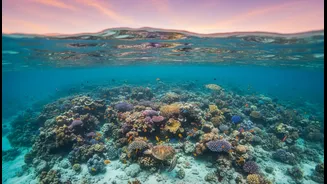
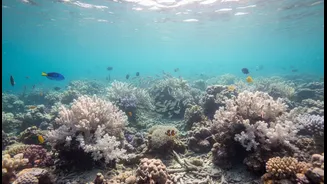
That postcard-perfect beach escape is becoming harder to guarantee. One of the most visible impacts is the explosion of sargassum, a type of brown seaweed. Fueled by warmer waters and nutrient runoff, massive blooms are blanketing beaches across the Caribbean and Florida, turning turquoise waters brown and releasing an unpleasant smell as it decomposes. The 2026 season is on track to be a record year, with some resorts in Mexico's Quintana Roo region seeing sharp drops in occupancy. Beyond seaweed, snorkelers and divers face a grim sight: coral bleaching. When water gets too hot, corals expel the algae that give them their vibrant color, turning them bone-white. Florida's reefs, which support a massive tourism economy, have experienced bleaching events months earlier than usual. This damages the ecosystem that attracts divers and fishers in the first place. Other unpleasant side effects include jellyfish blooms and warnings about bacteria in unusually warm waters.
Which Destinations Are Most Impacted?
Coastal destinations in tropical and subtropical zones are on the front lines. The Caribbean, Gulf of Mexico, and Florida are currently dealing with the twin threats of sargassum and coral bleaching. Islands like those in the Lesser Antilles and coastal Mexican towns like Playa del Carmen have reported significant beaching events. The Mediterranean is another hotspot, where record temperatures are leading to mass fish die-offs and fundamentally altering marine life. Iconic diving destinations that rely on healthy reefs, such as the Great Barrier Reef and sites in the Florida Keys, are also at high risk. The decline in reef health directly threatens the billions of dollars these areas generate from tourism annually. Even if a beach remains clear, the underwater world that many travellers come to see may be a shadow of its former self.
How to Plan Your Beach Trip Now
Adapting to this new reality requires smarter travel planning. First, be flexible with your timing. The traditional summer high season in many destinations now coincides with peak heat and its side effects. Consider travelling during the shoulder seasons (spring and autumn) when temperatures may be milder. Second, do your research. Use real-time sargassum trackers and check recent reports on coral health for your intended destination. Be prepared to switch from a windward (Atlantic-facing) side of an island, which often gets more seaweed, to a more protected leeward side. Third, consider cooler alternatives. Destinations in higher latitudes or with unique microclimates, like the Azores or Canada's coasts, offer beautiful scenery without the extreme heat. You might also explore destinations known for their cooler waters, like parts of the Pacific Northwest or northern Europe. Finally, once there, adjust your daily schedule. Plan beach time and strenuous activities for the early morning or late evening, and retreat to air-conditioned museums or shaded cafes during the hottest part of the day.