




The New Coastal Workstations
For years, Goa was the default answer for anyone dreaming of a beach workation in India. But as remote work becomes a permanent fixture for many professionals, a quieter, more affordable migration is taking place. The new buzz is around two coastal gems:
Varkala in Kerala and Gokarna in Karnataka. These towns, once stops on the backpacker trail, are rapidly evolving into havens for digital nomads seeking a better work-life balance. They offer a compelling blend of scenic beauty, a slower pace of life, and, crucially, the infrastructure to stay connected.
Varkala: Dramatic Cliffs and Dependable Wi-Fi
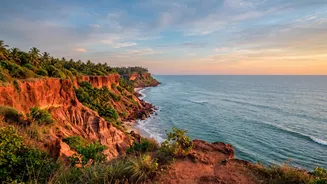
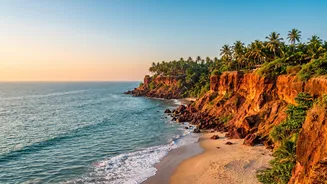
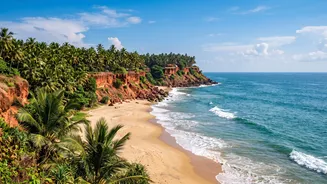
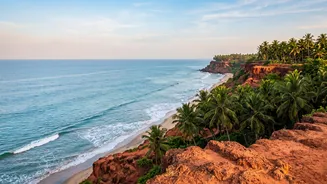
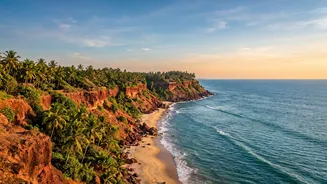
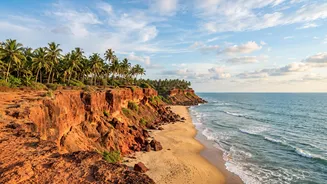
Varkala’s signature red cliffs provide a dramatic backdrop for a workday. The town is split between the bustling North Cliff, lined with cafes and shops, and the quieter South Cliff, known for its serene atmosphere and yoga retreats. For remote workers, the North Cliff is the epicentre, with numerous cafes offering ocean views, power outlets, and increasingly reliable Wi-Fi. Hostels and guesthouses have also adapted, with many now marketing themselves as 'workation hubs,' complete with dedicated co-working lounges and high-speed fibre internet with speeds of 100 Mbps or more. Beyond work, Varkala's appeal lies in its lifestyle: sunrise yoga, afternoon surfing lessons, and fresh seafood dinners.
Gokarna: Tranquil Beaches and Deep Focus
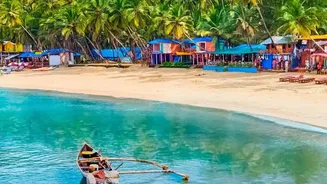
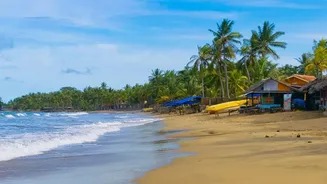
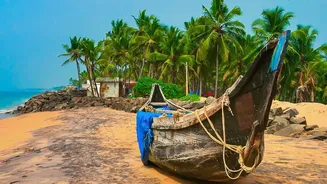
If Varkala is about vibrant cliffside energy, Gokarna offers a more meditative, back-to-nature experience. Famous for its pristine beaches like Kudle and Om, Gokarna attracts remote workers who prioritize peace and deep focus over a bustling social scene. While its connectivity used to be a challenge, the situation has improved significantly. Many cafes and hostels now provide reliable Wi-Fi, and having backup mobile data from providers like Jio and Airtel is a common strategy. The vibe here is more rustic; accommodation often consists of simple beach huts or family-run homestays, contributing to its affordability. The daily rhythm is slower, encouraging a genuine disconnect after the laptop closes.
The Cost Factor: A Major Draw
A huge part of the appeal for both locations is affordability, especially when compared to metros or even Goa. In Gokarna, a monthly budget for a single person can range from ₹25,000 to ₹55,000, covering a dorm bed or private room in a work-friendly hostel, plus food and incidentals. Varkala's costs are similar, with long-stay dorms available for ₹14,000-₹24,000 a month and private rooms ranging from ₹32,000 to ₹55,000. Food is inexpensive, with plentiful local eateries serving delicious meals for a fraction of city prices. This financial accessibility allows many to extend their stays from a few weeks into a few months.
The Reality of a Cliffside Office
While the dream of working with an ocean view is alluring, it comes with practical considerations. Power cuts can still occur, although many establishments now have generator or inverter backups. Internet speeds, while vastly improved, can fluctuate, especially during peak tourist season or bad weather. The most seasoned digital nomads in these towns recommend having a backup plan, such as a mobile hotspot with a different network provider. The community is another factor. While Goa has a large, established network of remote professionals, the communities in Varkala and Gokarna are smaller but growing, often fostering closer-knit connections through shared workspaces and local meetups.