





The Weight of History
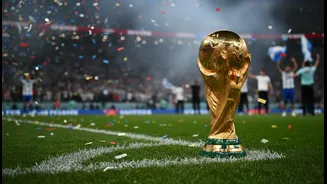
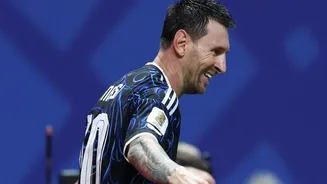
On December 18, 2022, at the Lusail Stadium in Qatar, Lionel Messi stepped onto the pitch for his fifth and final World Cup appearance. The one major trophy missing from his unparalleled collection was finally within reach. For years, the debate around
his status as the greatest of all time often hinged on this single omission, a burden carried since his first tournament in 2006. Facing him and Argentina were the formidable reigning champions, France, led by his then Paris Saint-Germain teammate Kylian Mbappé. The narrative was set: a living legend’s last chance at footballing immortality against the sport's most explosive young superstar. The pressure was immense, but it was on this stage that Messi would deliver one of the most memorable performances in sports history.
A Perfect Start
For 80 minutes, the final seemed to be a coronation. Argentina played with a ferocious intensity that France could not match. Messi was at the heart of it all. In the 23rd minute, Ángel Di María was brought down in the penalty area, and the referee pointed to the spot. Messi, shouldering the expectations of millions, calmly stepped up and sent French goalkeeper Hugo Lloris the wrong way, slotting the ball into the net. He became the first man to score in the group stage, round of 16, quarter-final, semi-final, and final of a single World Cup. Just 13 minutes later, he played a crucial role in Argentina's second goal, a sublime team move finished by Di María. A delicate flick from Messi started the counter-attack, which flowed through Julián Álvarez and Alexis Mac Allister before finding Di María to make it 2-0.
The French Fightback
With a two-goal lead and total control of the match, it looked like Argentina's 36-year wait for a World Cup was coming to a comfortable end. But then, Kylian Mbappé happened. In a stunning turn of events, France was awarded a penalty in the 80th minute, which Mbappé converted. Just 97 seconds later, he scored a spectacular volley to level the match at 2-2, silencing the Argentine crowd and sending the final into a frantic state. Argentina, who had been cruising, were suddenly on the ropes, and Messi, after losing possession in the build-up to the equalizer, had to rally his stunned teammates for extra time. The dream was quickly turning into a potential nightmare.
Extra-Time Heroics and Final Drama
Extra time was a chaotic, end-to-end affair. Both teams had chances, but it was Messi who once again seemed to have won it for Argentina. In the 108th minute, a powerful shot from Lautaro Martínez was parried by Lloris, and the ball fell to Messi, who bundled it over the line with his right foot. It was a scrappy but vital goal, his second of the night and seventh of the tournament. Yet, the drama was not over. France were awarded another penalty in the 118th minute for a handball, and Mbappé coolly converted to complete his hat-trick, sending the greatest World Cup final in history to a penalty shootout.
The Final Verdict
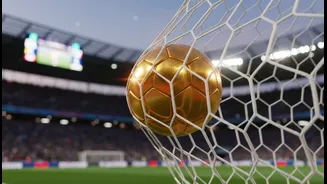
Messi stepped up to take Argentina's first penalty in the shootout. Displaying remarkable composure, he rolled the ball past Lloris to give his team the lead. His calm execution set the tone. Argentina's goalkeeper, Emiliano Martínez, made a crucial save, and a French miss gave Gonzalo Montiel the chance to win it. He scored, and Argentina were champions of the world. Messi’s performance was nothing short of legendary: two goals in the match, another in the shootout, and a constant creative force throughout. He was named Player of the Match and was also awarded the Golden Ball for the best player of the tournament.