

Quinoa and lentils are pantry powerhouses, celebrated for their health benefits. But in a head-to-head comparison, which comes out on top? The answer isn't just about the raw ingredients, but how your cooking methods can unlock or diminish their nutrition.
The Nutritional Scorecard
On a purely nutritional level, lentils and quinoa are both champions, but they excel in different areas. Per cooked 100g, lentils pack a mightier protein punch, offering around 9 grams compared to quinoa's 4.4 grams. Lentils also take the lead on dietary fibre, with approximately 7-8 grams versus quinoa's 3 grams, making them a fantastic choice for digestive health and sustained energy release. They are also richer in essential nutrients like folate and iron. Quinoa's claim to fame is being a 'complete protein', meaning it contains all nine essential amino acids, a rare feat in the plant kingdom. It also offers a higher dose of magnesium and healthy fats. So, while lentils offer more protein and fibre per calorie, quinoa delivers a unique and complete amino acid profile.
The 'Antinutrient' Factor
Both quinoa and lentils contain compounds known as 'antinutrients', which can interfere with the absorption of minerals. Quinoa's outer layer is coated in saponins, which are responsible for its slightly bitter taste and can cause a foamy appearance when rinsed. Lentils, like other legumes, contain phytic acid, which can bind to minerals like iron, zinc, and calcium, reducing their availability. While this sounds alarming, these compounds are not a major concern for most people and their levels can be dramatically reduced through simple preparation techniques. In fact, many of these compounds, like tannins in lentils, also act as antioxidants with their own health benefits.
Unlocking Quinoa's Potential
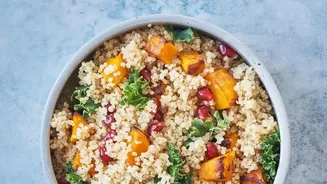
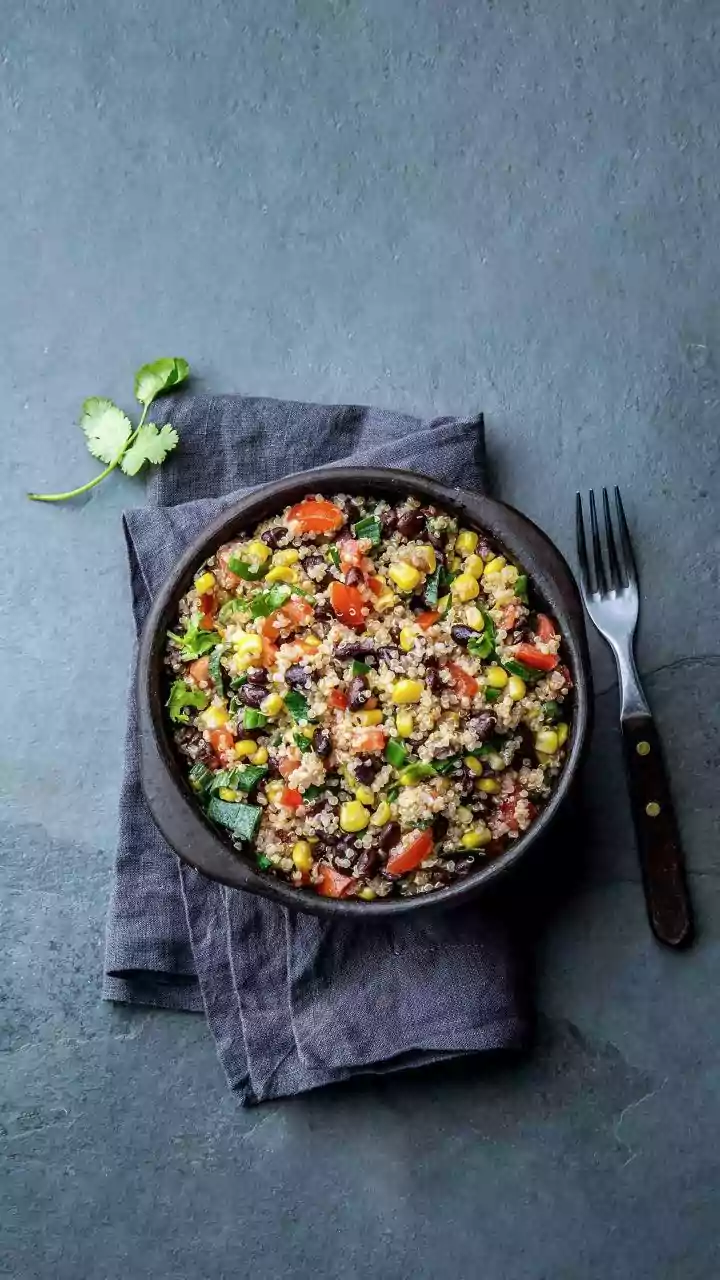
The single most important step in preparing quinoa is rinsing. Thoroughly rinsing quinoa under cold water for at least 30 seconds removes the majority of the bitter saponins, improving its taste and digestibility. Most quinoa sold today is pre-rinsed, but an extra wash is always a good idea. For cooking, a common ratio is one part quinoa to two parts water or broth. Bringing it to a boil and then simmering for about 15 minutes until the water is absorbed is key. For the fluffiest texture, let the cooked quinoa sit covered, off the heat, for an additional five minutes to steam before fluffing with a fork. While cooking can cause a minimal loss of some vitamins, it makes the protein and minerals more accessible to your body.
Maximising Lentil Nutrition
While lentils don't strictly require soaking before cooking, doing so can offer significant nutritional advantages. Soaking lentils for several hours or overnight helps to break down the phytic acid, which can improve your body's ability to absorb minerals like iron and zinc. Sprouting them takes this a step further, increasing the bioavailability of multiple nutrients and making them even easier to digest. When it comes to cooking, a gentle simmer is preferable to a rolling boil, which can cause lentils to become mushy. It's also wise to add salt and acidic ingredients like lemon juice or vinegar at the end of cooking, as they can slow the softening process. Cooking lentils effectively reduces antinutrients like lectins and tannins, making them safe and highly nutritious.
The Final Verdict
There is no single winner in the battle of quinoa versus lentils. The best choice depends entirely on your personal health goals and culinary needs. For those prioritising plant-based protein and fibre, lentils are an affordable and potent option, especially for hearty soups, curries, and dal. For those seeking a complete protein source with a versatile, grain_like texture perfect for salads, side dishes, or breakfast bowls, quinoa is an excellent pick. The most crucial takeaway is that preparation matters. By taking simple steps like rinsing quinoa and soaking or sprouting lentils, you can significantly enhance their nutritional value and reduce any potentially negative effects from antinutrients. Rather than choosing one over the other, the smartest approach is to incorporate both into a varied diet, prepared with care.