





The Powerful Gut-Brain Connection
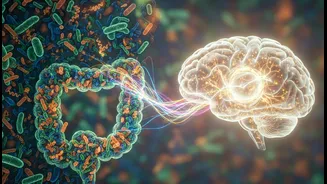
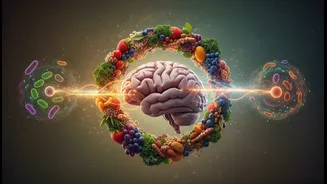
The foundation of the food-mood link lies in the gut-brain axis, a constant, two-way communication network between your digestive system and your brain. This connection is so profound that the gut is often called the “second brain.” Trillions of microorganisms
in your gut, known as the microbiome, play a crucial role. They help produce neurochemicals that regulate how we feel, including serotonin, the famous “happiness hormone.” In fact, an estimated 90-95% of your body's serotonin is produced in the gut, not the brain. When the gut microbiome is balanced and healthy, this communication system works smoothly. However, a poor diet can disrupt this balance, potentially impacting mood and increasing the risk for conditions like anxiety and depression.
Building a Mood-Supportive Diet
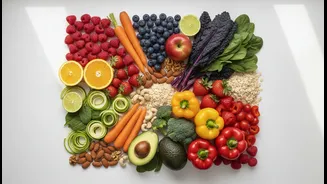
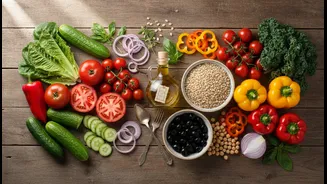
You don't need an extreme diet to support your mental health. Research consistently points to the benefits of a Mediterranean-style eating pattern. This approach is not a strict diet but a way of eating that emphasizes whole, nutrient-dense foods. Focus on incorporating a wide variety of vegetables, fruits, whole grains, nuts, seeds, and legumes. These foods are packed with fiber, vitamins, and minerals that nourish a healthy gut microbiome. Healthy fats, especially omega-3 fatty acids found in oily fish like salmon, as well as flaxseeds and walnuts, are also crucial for brain function. Studies suggest these fats can influence neurotransmitter signaling and reduce brain inflammation, which has been linked to mood disorders.
Key Nutrients to Focus On
While a whole-food approach is best, certain nutrients are particularly important for brain health. B vitamins (especially B6, B9/folate, and B12) play a role in producing brain chemicals that affect mood, and deficiencies have been linked to depression. Magnesium, found in leafy greens, nuts, and whole grains, helps regulate the body's stress-response system. Zinc, found in lean meats, legumes, and seeds, is another mineral that supports brain function and mood regulation. Antioxidant-rich foods like berries, dark chocolate, and leafy greens help protect the brain from oxidative stress, a type of cellular damage linked to inflammation and mood disorders. Fermented foods like yogurt with live cultures, kefir, and kimchi can also introduce beneficial bacteria (probiotics) to your gut.
What to Limit for a Better Mood
Just as some foods can help, others can hinder your mental well-being. Diets high in ultra-processed foods, added sugars, and unhealthy fats are consistently associated with a higher risk of depression and anxiety. These foods can promote inflammation and disrupt the delicate balance of your gut microbiome. Studies have found a significant link between high consumption of ultra-processed items and increased symptoms of mental health conditions. While you don't have to eliminate these foods entirely, reducing your reliance on sugary drinks, packaged snacks, and fast food can be a powerful step toward supporting a more stable mood. It's about moderation and shifting the balance toward whole, unprocessed foods.
A Crucial Part of a Larger Picture
It is critical to understand that nutritional psychiatry is intended to be a complementary approach, not a replacement for professional care. No diet can “cure” a mental health condition. Mental wellness is a complex puzzle involving genetics, environment, lifestyle, and psychology. Dietary changes are most powerful when they are integrated into a comprehensive care plan that may include therapy, medication, exercise, and adequate sleep. Thinking of food as one tool in your mental health toolkit can be empowering. It’s a tangible, daily practice that can help support the work you do with mental health professionals and contribute to your overall sense of well-being, helping to manage symptoms and even offset side effects from some psychiatric medications.