







Why Breathwork Transforms Your Well-being
Pranayama is more than just breathing; it's about consciously controlling your breath to influence your physical and mental state. When you feel stressed, your breathing often becomes shallow and rapid, triggering your body's 'fight or flight' response.
Pranayama helps activate the parasympathetic nervous system, also known as the 'rest and digest' state. This simple shift can lower your heart rate, reduce blood pressure, decrease stress hormones like cortisol, and calm mental chatter, creating the ideal conditions for mental peace and restorative sleep.
Simple Pranayama Techniques for Beginners
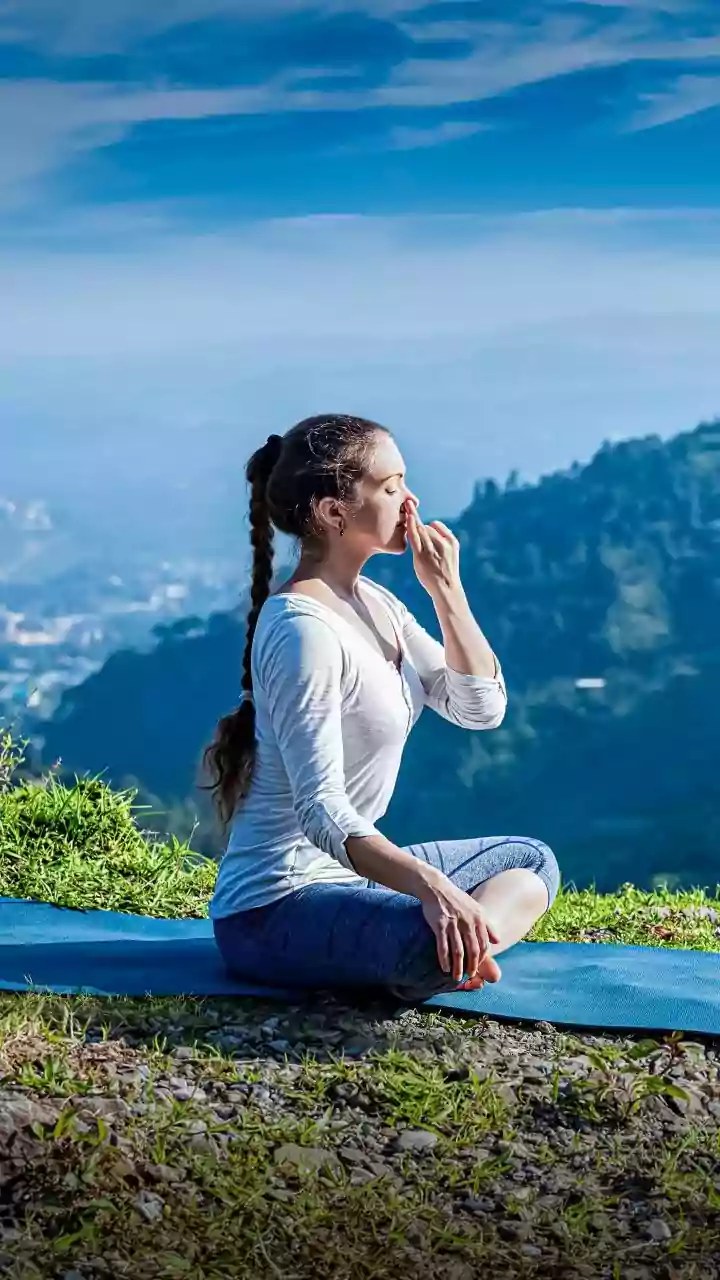
You don't need complex techniques to start. Two of the most effective and beginner-friendly practices are Nadi Shodhana and Bhramari. Nadi Shodhana (Alternate Nostril Breathing): This practice is known for balancing the left and right hemispheres of the brain, promoting mental clarity and calmness. To do it, sit comfortably. Use your right thumb to gently close your right nostril and inhale slowly through your left. Then, close your left nostril with your ring finger and exhale through the right. Inhale through the right, then close it and exhale through the left. This completes one round. Continue for 5-10 rounds. Bhramari (Humming Bee Breath): Ideal for calming an anxious mind before sleep, Bhramari uses sound vibration to soothe the nervous system. Sit upright, close your eyes, and gently place your index fingers on the cartilage of your ears. Inhale deeply through your nose. As you exhale, keep your mouth closed and make a low-pitched humming sound, like a bee. The vibrations have a profoundly calming effect.
Start with Just Five Minutes
The key to building any new habit is to start so small that it feels almost too easy. Don't aim for a 30-minute session on day one. Instead, commit to just five minutes of pranayama each day. This small, achievable goal reduces the mental barrier to getting started. You can practice in the morning to set a calm tone for your day, during a work break to de-stress, or right before bed to wind down. Consistency is far more important than duration, especially in the beginning. Small wins build momentum and confidence.
Anchor It to an Existing Routine
One of the most effective strategies for habit formation is 'habit stacking'. This involves linking your new habit (pranayama) to an established one you already do automatically. For example, decide to practice 'after I brush my teeth in the morning' or 'right after I change into my pyjamas at night'. This existing habit acts as a trigger, reminding you to do your breathing practice. By anchoring pranayama to a fixed point in your day, you remove the need to decide 'when' to do it, making it much more likely to happen consistently.
Create a Calm and Dedicated Space
Your environment plays a crucial role in habit formation. Designate a specific, quiet corner in your home for your pranayama practice. It doesn't need to be large—a comfortable cushion on the floor or a specific chair is enough. Keeping this space clean and inviting signals to your brain that this is a place for calm and focus. Over time, just sitting in your designated spot can trigger a feeling of relaxation, making your practice more effective and something you look forward to. Dimming the lights or using a calming scent can also enhance the experience.
Don't Break the Chain, But Forgive Yourself
Tracking your progress can be a powerful motivator. Use a simple calendar or a journal to mark off each day you complete your practice. Seeing a growing chain of successful days can inspire you to keep going. However, life happens. There will be days you miss. The most important rule is to not let one missed day turn into two. If you fall off track, simply start again the next day without judgment. The goal is progress, not perfection. A flexible approach is more sustainable than a rigid one that breaks at the first sign of imperfection.