





A Surprising Twist in the Tale
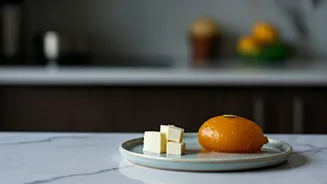
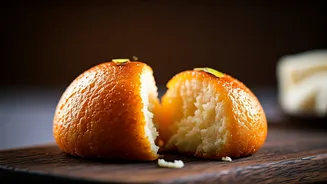
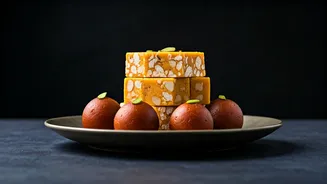
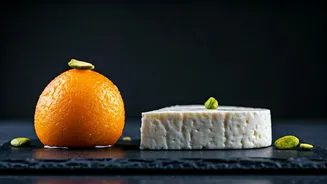
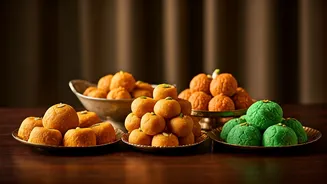
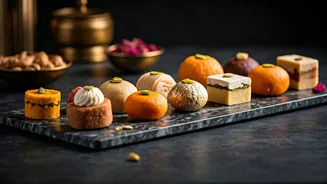
Before you dismiss the idea entirely, here’s a crucial piece of information that might change your perspective: Rasgulla is already a cheese-based dessert. The iconic sweet from Eastern India is made from 'chenna', which is fresh, unripened cheese curd.
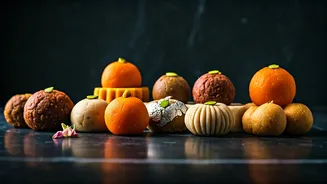
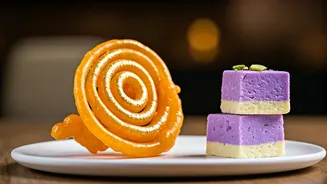
This cheese is prepared by curdling milk and then separating it from the whey. The resulting chenna is kneaded until smooth, rolled into balls, and then boiled in a light sugar syrup. So, technically, every time you’ve eaten a Rasgulla, you’ve been enjoying a sweet cheese ball. The confusion often arises because the word 'cheese' in a modern context makes us think of salty, savoury slices of cheddar or mozzarella, not the delicate, milky chenna that forms the heart of so many Indian mithais like Sandesh and Rasmalai.
The Real Trend: Culinary Chaos Online
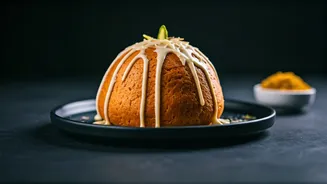
The viral posts that are truly “blowing minds” online often take this a step further. Imagine a classic, syrup-drenched Rasgulla topped with a slice of processed cheese or, in some extreme cases, drenched in a cheesy sauce before being baked. This is the version that has been sparking outrage and debate across social media platforms. While not yet a mainstream menu item, it has become a prime example of a larger phenomenon: the rise of bizarre food combinations designed for shock value and viral fame. In an era where food vloggers are constantly searching for the next outrageous creation, nothing is off-limits. The goal is to generate clicks, comments, and shares, and a strange pairing like Rasgulla and cheese is guaranteed to get people talking.
India's Hall of Fame for Weird Foods
Rasgulla with cheese is just the latest entry in a long and bewildering list of viral food experiments in India. The internet has served as a chaotic kitchen, producing some truly unforgettable mashups. Foodies have been left stunned by creations like Masala Dosa Ice Cream Rolls, where the savoury South Indian pancake is churned into a frozen dessert, complete with chutney on the side. Then there was the infamous Gulab Jamun Burger, which saw the sweet, syrup-soaked dumpling sandwiched in a bun. Other viral sensations include Cotton Candy Maggi, Butter Chicken Ice Cream, and even Fruit Momos, where fried fruits were mixed with cheese and cream inside a dumpling. These combinations often defy culinary logic, existing primarily to challenge our palates and our sense of tradition.
Why We Can't Look Away
So why are we so fascinated by these culinary crimes? The appeal lies in the sheer audacity of it all. These food trends tap into a very human curiosity, making us ask, “Could that possibly taste good?” They spark immediate, passionate debate, pitting culinary purists against adventurous eaters. For every person who comments “This is an insult to food,” there’s another who says, “I’d try it!” This engagement is exactly what creators are looking for. Social media algorithms reward shocking and unconventional content, pushing these bizarre creations onto our feeds. It’s a perfect storm of novelty-seeking, the desire for online engagement, and a playful rebellion against culinary rules. These dishes become conversation starters, shared not just because they might be delicious, but because they are guaranteed to provoke a reaction.