






Fortify Your First Line of Defence
The monsoon season is notorious for water-borne diseases like typhoid, cholera, and jaundice, along with a spike in viral fevers. Your first and most important move is to focus on water and immunity. Always drink boiled or purified water. If you're using
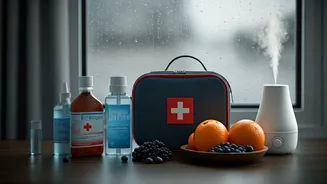
a water purifier, ensure it’s serviced right before the season begins. Carry your own water bottle when you go out to avoid temptation. Beyond water, focus on boosting your immunity. A strong immune system is your best shield. Incorporate immunity-boosting foods into your diet. A simple home remedy is a warm glass of turmeric milk (haldi doodh) before bed. Adding ginger and tulsi to your daily tea can also work wonders in keeping coughs and colds at bay. Vitamin C is another powerful ally; load up on citrus fruits like oranges and amla, but ensure they are washed thoroughly before consumption.
Eat Smart, Stay Strong
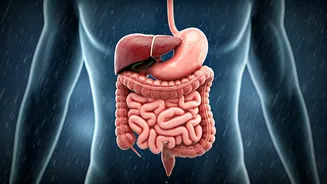
Your digestive system can be sluggish during the monsoon, making it vulnerable. It’s wise to eat light, home-cooked meals. Avoid heavy, oily, and fried foods as they are harder to digest and can lead to bloating and indigestion. Be particularly careful with leafy green vegetables. While healthy, they can carry a lot of dirt and germs during this season. If you must eat them, wash them meticulously in clean water and then blanch them in hot water before cooking. Opt for seasonal vegetables like lauki (bottle gourd), tori (ridge gourd), and parwal (pointed gourd), which are light on the stomach. Probiotics found in curd and buttermilk are excellent for maintaining good gut health. They introduce healthy bacteria into your digestive tract, which helps fight off harmful pathogens.
Make Your Home a Safe Zone
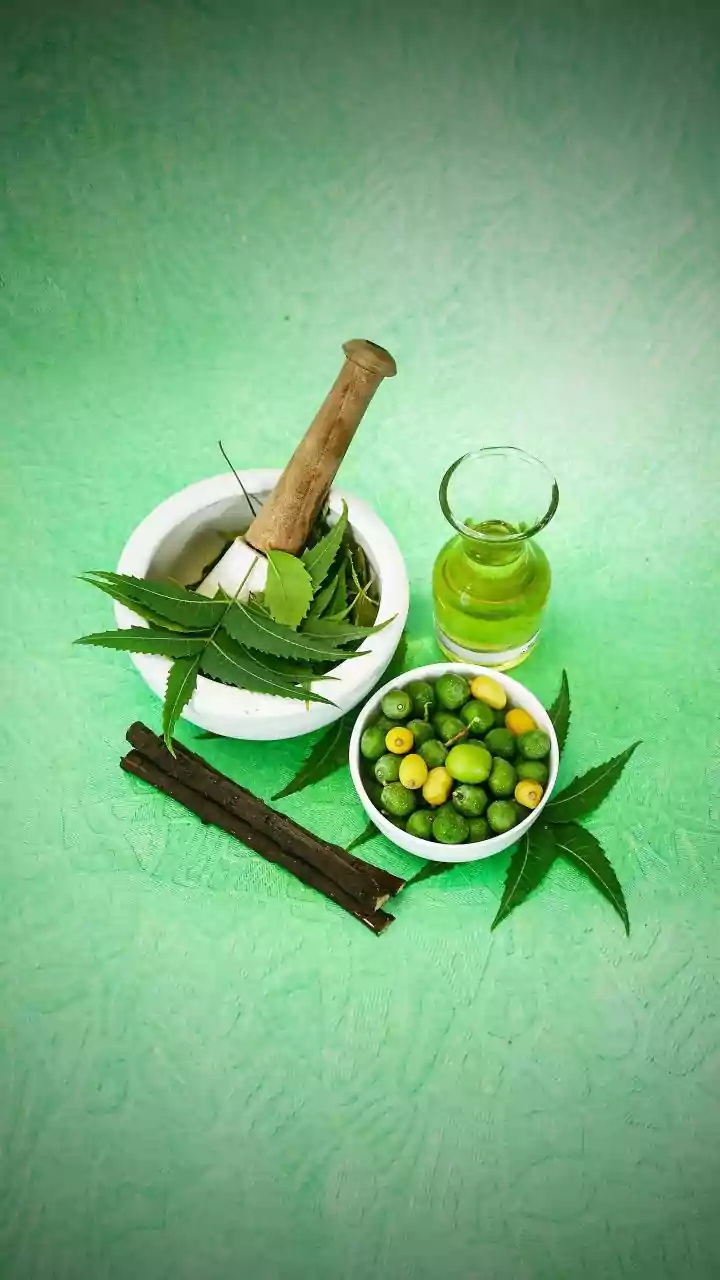
The dampness of the monsoon creates a perfect breeding ground for mosquitoes, which spread diseases like dengue, malaria, and chikungunya. Your home needs to be your fortress. The most critical step is to prevent water stagnation. Check for any stagnant water in and around your house—in flower pots, old tyres, air cooler trays, and open containers. Empty them regularly. Use mosquito nets while sleeping, especially for children and the elderly. You can also use natural repellents like neem oil or citronella oil in diffusers. Ensure your home is well-ventilated to prevent the growth of mould and mildew, which can trigger allergies and respiratory issues. A clean and dry home is a healthy home during the rains.
Rethink Your Street Food Cravings
The craving for a hot plate of pakoras or a spicy chaat is almost universal during a downpour. However, street food is a major health risk during the monsoon. Food and water used by vendors can be contaminated, leading to severe stomach infections and food poisoning. The high humidity allows bacteria to multiply rapidly on cut fruits and other uncovered food items. If the craving is irresistible, try to replicate your favourite street food snacks at home. This way, you can control the quality of the ingredients and the hygiene of the preparation. It might take a little effort, but it’s a small price to pay to avoid a week of sickness.
Personal Hygiene Is Non-Negotiable
Keeping yourself clean is crucial. You might get drenched in the rain, which can seem fun, but rainwater is often mixed with pollutants and sewage. Take a shower with an antiseptic soap as soon as you get home. Pay special attention to your feet. Walking through puddles can lead to fungal infections like Athlete's Foot. Wash your feet thoroughly with soap and water and dry them completely, especially between the toes. Avoid wearing damp clothes or shoes for extended periods, as this also encourages fungal growth. Wash your hands frequently with soap and water, especially before meals and after coming from outside, to prevent the transfer of germs.