

The Instagram Filter vs. Monsoon Reality
The allure of monsoon travel is undeniable. Waterfalls are at their peak, the countryside is a vibrant green, and tourist spots are often less crowded. Social media platforms are filled with dramatic images of mist-clad mountains and romantic, rain-soaked
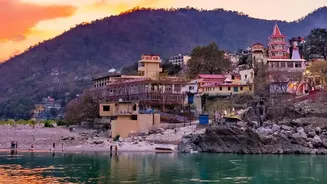
forts. However, these curated moments often edit out the less glamorous reality: endless downpours, travel plans disrupted by cancelled flights and trains, and the very real danger of landslides and flash floods. Popular Himalayan hill stations, while beautiful, are frequently cited as high-risk zones during peak rains. A picture of a serene, cloudy valley doesn't show the multi-hour traffic jam caused by a road closure just out of frame. The key to a successful trip is to align your expectations with the on-ground weather realities, ensuring your safety and enjoyment come first.
Seek Shelter in the Rain Shadow
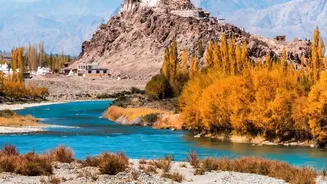
For those who want the pleasant weather of the season without the intense rainfall, the answer lies in geography. Rain-shadow regions are areas that are shielded from rain-bearing winds by a mountain range. While one side of the mountain gets drenched, the other remains dry and sunny. India’s most famous rain-shadow destinations are Ladakh and Himachal's Spiti Valley. Shielded by the Himalayas, these high-altitude cold deserts are largely untouched by the southwest monsoon. This makes the period from June to September the absolute best time to visit them, offering clear blue skies, accessible roads, and stunning, stark landscapes. It’s the perfect way to enjoy the season on your own terms, with sunshine and adventure instead of downpours.
Embrace the Green in the Western Ghats
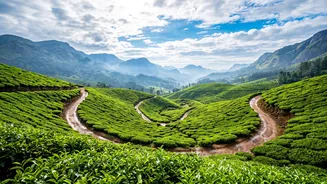
If you are seeking that classic, lush monsoon experience, the Western Ghats are the place to be. Hill stations across Kerala, Karnataka, and Maharashtra transform into verdant paradises. Destinations like Munnar, Coorg, Wayanad, and Mahabaleshwar are famous for their misty landscapes, overflowing waterfalls, and vibrant green coffee and tea plantations. These regions are built for the rain, and life continues amidst the showers. However, caution is paramount. These hilly areas are prone to landslides during intense spells of rain. The India Meteorological Department's (IMD) forecasts for late August 2026 suggest a weakening monsoon with subdued rainfall over Peninsular India, which may reduce risks. Even so, always check local advisories and road conditions before and during your trip.
Find the Sweet Spot in Rajasthan
Often pictured as a scorching desert, Rajasthan offers a surprisingly magical and moderate monsoon experience. The Aravalli Range receives just enough rainfall to break the summer heat, fill the region's famous lakes, and cloak the landscape in a soft green carpet. Cities like Udaipur, with its glistening Lake Pichola and romantic palaces, become exceptionally beautiful. Lesser-known gems like Bundi, with its fairytale forts and stepwells, also come alive. Unlike the high Himalayas or the Western Ghats, the intensity of rain here is much lower, meaning you can explore comfortably without facing extreme weather. This makes it a perfect middle-ground destination for those who want the romance of the rains without the travel disruptions.
Your Pre-Trip Weather Checklist
A safe monsoon trip is a well-researched one. Before you book and before you leave, make weather your primary guide. First, consult the official source: the India Meteorological Department (IMD) website. They issue district-level warnings for heavy rainfall, thunderstorms, and floods. Second, pack for the weather. This means waterproof bags for electronics, quick-drying clothes, a reliable raincoat and umbrella, and sturdy, non-slip footwear. A basic first-aid kit with medication for common ailments and insect repellent is also essential. Third, avoid roadside food and stick to bottled or purified water to prevent water-borne illnesses, which are more common during this season. Finally, build buffer days into your itinerary. The monsoon can be unpredictable, and having a flexible schedule will reduce stress if you face unexpected delays.