


The Essential Hunt for Darkness
The first rule of seeing the stars is escaping the light. In our modern world, cities and towns create a persistent glow known as light pollution, which washes out all but the brightest celestial objects. This is why astrophotographers are constantly
seeking 'dark-sky locations'—remote areas far from the glare of civilization. The Himalayas, with their vast, sparsely populated landscapes, are a natural sanctuary from this artificial twilight. In places like the Spiti Valley or remote parts of Ladakh, the lack of urban development means the night sky is profoundly dark, allowing the faint light of distant galaxies and nebulae to reach a camera's sensor. This pristine darkness is the foundational element that draws photographers to these isolated mountainscapes.
Winter's Crystal-Clear Advantage
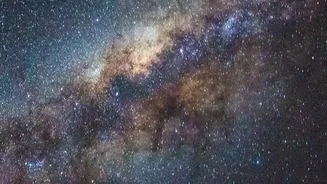
While a dark location is crucial year-round, winter offers a distinct atmospheric advantage. The cold, dry air of a Himalayan winter holds significantly less moisture than the warmer, humid air of summer. Water vapor in the atmosphere can scatter and absorb starlight, creating a hazy or 'fuzzy' view of the cosmos. In winter, the crisp, arid conditions result in exceptionally clear and transparent skies. This high level of transparency means more photons from deep-sky objects complete their journey to Earth unimpeded. While the bright core of the Milky Way is more of a summer sight in the Northern Hemisphere, winter reveals its own set of cosmic treasures, including the Orion Nebula, the Pleiades star cluster, and the Andromeda Galaxy, all shining with brilliant clarity against the blackness.
The Benefit of High Altitude
If darkness is the canvas, altitude is what sharpens the image. One of the biggest challenges in astronomy is dealing with the Earth's atmosphere, which acts like a turbulent, watery lens. The constant motion of air pockets warps and distorts incoming light, an effect astronomers call 'seeing'. This is what makes stars appear to twinkle. By ascending to high-altitude locations in the Himalayas—often above 3,000 or 4,000 metres—photographers place themselves above a significant portion of this disruptive atmospheric layer. Looking through less air means a steadier, sharper image. This is why a star that might look like a shimmering blob at sea level can be resolved as a sharp, steady point of light from a Himalayan peak, allowing for incredibly detailed photographs.
Where Heaven Meets Earth
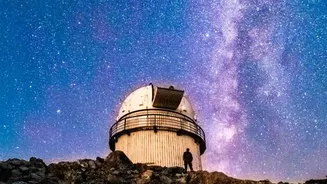
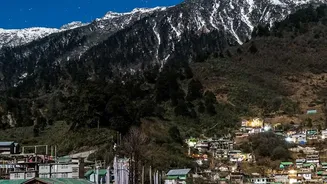
The combination of these factors creates a perfect storm for astrophotography. Locations across the Indian Himalayas have become legendary among stargazers. Hanle in Ladakh, home to the Indian Astronomical Observatory and the country's first official Dark Sky Reserve, is considered one of the best sites in the world due to its high altitude and over 250 clear nights a year. The stark, high-desert landscapes of Spiti Valley in Himachal Pradesh offer not only dark skies but also dramatic foregrounds of ancient monasteries and jagged peaks, adding a powerful earthly element to celestial portraits. Other areas like Nubra Valley in Ladakh and Munsiyari in Uttarakhand provide similar opportunities, allowing photographers to capture the cosmos framed by the majestic beauty of the world's highest mountains.
The Photographer's Commitment
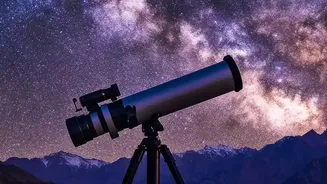
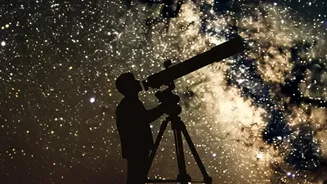
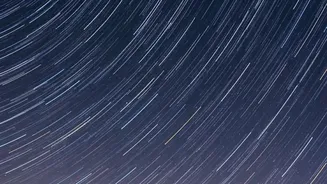
Capturing these images is far from a comfortable hobby. It requires immense dedication, battling freezing temperatures, and often camping in remote, inhospitable environments. The equipment—specialised cameras, sturdy tripods, and sometimes tracking mounts that follow the stars' rotation—must be hauled to these locations. Photographers must acclimate to the lower oxygen levels at high altitudes and possess the technical skill to operate their gear in the cold and dark. Yet for those who make the journey, the reward is singular: a photograph that captures a sliver of the universe's grandeur, set against the stunning backdrop of the Himalayas. It is a pursuit that blends art, science, and a deep appreciation for the wild and remote corners of our planet.