


The Allure of Liquid Sunshine
Walk into any health-conscious cafe or grocery store, and you'll find a rainbow of cold-pressed juices promising everything from a vitamin boost to a full-body detox. For many people with busy lifestyles, grabbing a bottle of juice feels like an efficient
shortcut to getting their daily dose of fruits and vegetables. The appeal is obvious: it's quick, convenient, and packed with easily absorbable vitamins and minerals. This perception has fueled a massive industry, turning bottled greens and fruit concoctions into a daily ritual for health seekers.
Understanding the Cold-Press Process
Unlike traditional centrifugal juicers that use fast-spinning blades and generate heat, cold-pressing involves a two-step method. First, fruits and vegetables are crushed or ground into a pulp. Then, a hydraulic press applies thousands of pounds of pressure to squeeze the liquid out, leaving the solid pulp behind. The main advantage of this method is that it produces very little heat, which helps preserve heat-sensitive vitamins, minerals, and enzymes that might otherwise be degraded. The result is a nutrient-dense, raw juice, but the key is what’s separated and discarded: the pulp.
Why Your Gut Needs Fiber
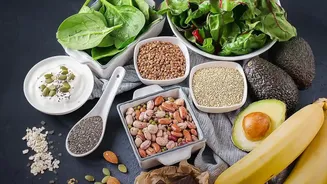
Dietary fiber is the indigestible part of plant foods, and it plays a critical role in our overall health. There are two main types: soluble fiber, which dissolves in water to form a gel, and insoluble fiber, which does not. Soluble fiber helps manage cholesterol and feeds beneficial gut bacteria, while insoluble fiber adds bulk to stool, promoting regular bowel movements. Together, they work to slow down digestion, which helps regulate blood sugar levels and contributes to a feeling of fullness. More importantly, fiber is the primary food source for the trillions of microorganisms in your gut microbiome. When these microbes ferment fiber, they produce short-chain fatty acids (SCFAs) that nourish colon cells, reduce inflammation, and support immune function.
Where Does the Fiber Go?
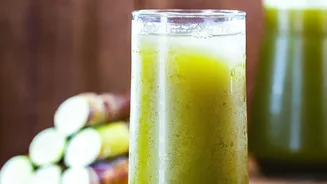
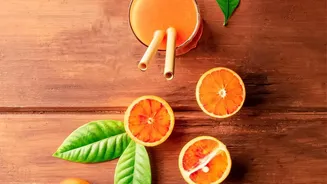
During the cold-pressing process, the vast majority of fiber is removed along with the pulp. While a small amount of soluble fiber may remain in the liquid, almost all of the insoluble fiber is discarded. This is the fundamental trade-off of juicing. For example, a whole orange contains around 3 grams of fiber, whereas a glass of orange juice has almost none. This removal of fiber has significant consequences. Without it, the natural sugars present in the fruit and vegetables are absorbed into the bloodstream much more rapidly. This can cause a sharp spike in blood sugar, followed by a crash, which can leave you feeling tired and hungry soon after.
The Impact on Digestion and Gut Health
A diet low in fiber can negatively impact your digestive system and the health of your gut microbiome. Without sufficient fiber to add bulk, you may experience constipation. Furthermore, depriving your beneficial gut bacteria of their main food source can lead to an unhealthy imbalance, known as dysbiosis, which has been associated with various health issues. The very purpose of juicing is to make nutrients available for rapid absorption by removing the fiber, which the body doesn't need to expend energy digesting. However, this efficiency comes at the cost of supporting the complex ecosystem in your gut that relies on that same fiber to thrive.
A Better Alternative: Blending
If you're looking for the convenience of a liquid meal without sacrificing fiber, smoothies are a superior option. Blending pulverizes the entire fruit or vegetable, including the skin and pulp, meaning all the fiber remains in the final product. This makes smoothies more filling and helps to slow the absorption of sugar, preventing the dramatic blood sugar spikes associated with juice. You can also add other nutrient-dense ingredients like protein powder, nut butters, or seeds to a smoothie, making it a more balanced and satiating meal or snack.