




You picture a dream trip to France: strolling through gilded halls and gazing up at iconic landmarks. But the reality can often mean spending hours in a queue, testing your patience and draining the magic from the experience.
The Eiffel Tower: An Iron-Clad Wait
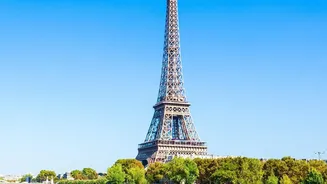
The Eiffel Tower is perhaps
the most famous symbol of Paris, but it's also notorious for its queues, which can stretch for hours. There are separate lines for ticket purchases, security checks, and the elevators to each level, creating multiple bottlenecks. During peak season, the wait just to buy a ticket can be up to 90 minutes, with additional significant waits for the elevators. The key mistake visitors make is arriving without a plan. To save yourself hours, the single most important step is to book a timed-entry ticket online, up to two months in advance. These sell out quickly, so planning ahead is crucial. Even with a pre-booked ticket, you'll still have to queue for security and the lifts, so arrive 15-20 minutes before your time slot. For a potentially shorter wait and a unique experience, consider buying a ticket to take the stairs to the second floor; tickets are often more readily available.
The Louvre Museum: A Masterpiece of Crowds
Home to the 'Mona Lisa', the Louvre is the world's most visited museum, and its lines reflect that status. Arriving without a ticket during busy periods can mean waiting two hours or more just to get inside. The museum now requires all visitors to reserve a time slot in advance, especially during peak seasons like summer and holidays. The biggest crowds converge between 10 AM and 2 PM. For a calmer visit, book the first time slot at 9 AM and head straight for your must-see artworks before the masses arrive. An even better strategy is to take advantage of the late openings on Wednesdays and Fridays, when the museum stays open until evening. The galleries become noticeably quieter after 6 PM, transforming the experience from a shuffle into a stroll. Using the underground Carrousel du Louvre entrance can also sometimes offer a shorter security line than the iconic but congested glass pyramid.
The Palace of Versailles: A Royal Traffic Jam
The opulent Palace of Versailles, with its dazzling Hall of Mirrors and vast gardens, attracts millions. That popularity leads to immense crowds, particularly at the main palace entrance. One of the worst days to visit is Tuesday, as the palace is closed on Mondays, leading to a surge of visitors the next day. Weekends and the 'free first Sundays' from November to March are also exceptionally busy. To manage your visit, always book a timed-entry slot online in advance, even if you have a museum pass. For the quietest experience, choose a Wednesday or Thursday. A clever approach is to arrive early when the gardens open at 8 AM, an hour before the palace itself. Explore the grounds first, then enter the palace later in the afternoon (after 3 PM) when the large morning tour groups have departed. This reverses the typical visitor flow and allows for a much more relaxed tour of the lavish royal apartments.
Mont Saint-Michel: A Tidal Wave of Tourists
This tidal island abbey in Normandy is a UNESCO World Heritage site that draws around three million people a year, funnelling them into its one narrow main street, the Grande Rue. From late morning until late afternoon, especially in July and August, this street can become a shoulder-to-shoulder bottleneck. The experience can feel overwhelming as day-trippers, many from Paris, flood the island between 11 AM and 3 PM. The solution is to visit at the edges of the day. Arrive before 10 AM or after 5 PM to find the streets much calmer. An even better option is to stay overnight nearby, allowing you to explore the island in the quiet evening or early morning hours when it feels almost empty. Booking your ticket for the abbey online is also essential to avoid another queue once you're on the island. Be mindful that the free shuttle from the mainland car parks also develops long lines at midday, so factor that into your timing.