






The Fabric of a City
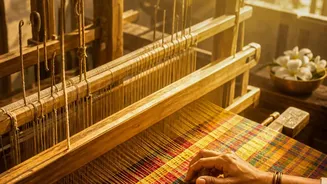
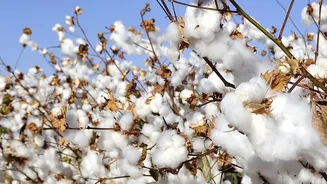
Coimbatore's deep-rooted history in textiles is not just a chapter in a history book; it's a living, breathing part of its daily life. The city's journey began in the late 19th century, flourishing due to the region's ideal conditions for cotton cultivation
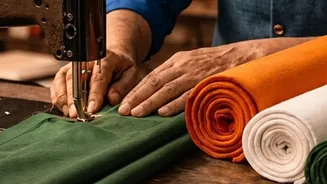
and the entrepreneurial spirit of its people. The arrival of hydroelectric power from the Pykara project in the 1930s supercharged the industry, leading to a boom in spinning mills and weaving centres that cemented its reputation. This legacy means that today, visitors can experience a textile ecosystem unlike any other. From the yarn spun in its mills to the finished sarees sold in its bustling shops, the entire production chain is on display, offering incredible variety and value. For any visitor, exploring these markets is more than just shopping—it's an immersion into the city's commercial heart and soul.
Oppanakara Street: The Retail Heartland
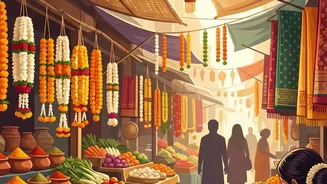
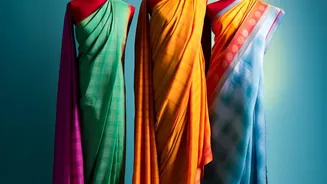
No textile tour of Coimbatore is complete without a visit to Oppanakara Street. This is the city's primary commercial artery, a chaotic and colourful stretch where tradition and modernity collide. Here, multi-storey textile giants like The Chennai Silks, Pothys, and Ramraj Cotton stand shoulder-to-shoulder with smaller, specialised shops and street vendors. The street is a paradise for those looking to buy silk and cotton sarees, dhotis, and readymade garments, offering both wholesale and retail options. The energy is palpable, especially in the evenings and during festival seasons, as families and traders haggle for the best prices. For the authentic Coimbatore shopping experience, with its vibrant crowds and endless choices, Oppanakara Street is the undisputed epicentre. Be prepared for a bustling environment; it's advisable to visit on a weekday morning for a slightly calmer experience.
Cross Cut Road: A Modern Shopping Hub
If Oppanakara Street is the traditional heart, Cross Cut Road in the Gandhipuram area is its modern counterpart. This 1.2-kilometer stretch is one of the city's main shopping hubs, teeming with fashion, accessories, and more. While you'll find everything from electronics to jewellery here, textiles remain a major draw. The road is lined with a mix of large retail outlets and smaller stores catering to every budget. It's an excellent place to find readymade garments, from casual wear to more formal ethnic attire. Unlike the more wholesale-focused parts of the city, Cross Cut Road is geared towards the everyday shopper, making it a brilliant and accessible destination for visitors looking to update their wardrobe with local styles and fabrics.
Town Hall: The Wholesale Experience
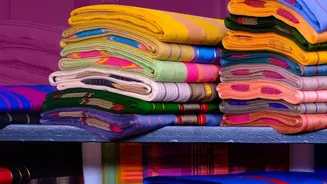
For those looking to buy in bulk or simply witness the engine room of Coimbatore's textile trade, the Town Hall area is a must-see. Interconnected with Oppanakara Street, this district includes Big Bazaar Street, Raja Street, and Sukrawar Pettai, which is especially known for handloom sarees. This is where many smaller retailers from across Tamil Nadu and neighbouring states come to source their goods. The market is a sensory overload in the best way possible, with shops overflowing with bundles of fabric, dress materials, and sarees. While it's primarily a wholesale market, many shops will sell to retail customers, often at very competitive prices. It provides a fascinating glimpse into the scale of the city's textile commerce.
Beyond the Markets: Speciality Stores
While the main market streets offer immense variety, Coimbatore also boasts numerous standalone speciality stores that are destinations in themselves. Large, iconic showrooms like Shree Devi Textile and Nalli Silk Sarees are famous for their vast collections, particularly for wedding and festive wear. These air-conditioned emporiums provide a more relaxed shopping experience compared to the bustling street markets. Furthermore, government-run outlets like Co-optex and Khadikrafts offer a curated selection of handloom products, ensuring authentic quality and supporting local artisans. These stores are perfect for finding high-quality, genuine articles like the famed Kovai Cora Cotton sarees, which have a Geographical Indication (GI) tag.