



The Green Wave Arrives in the Garden City
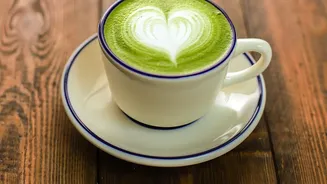
It’s hard to miss the new hue taking over Bengaluru’s cafés. That vivid green, once a rare sight, now glows from menu boards and social media feeds across the city. Matcha has officially arrived, and its popularity is booming. This isn’t just about a new beverage;
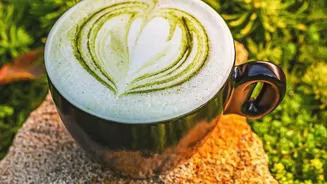
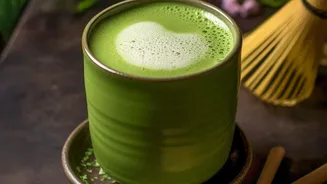
it reflects a broader shift in the city's culture. Known for its health benefits, including a rich dose of antioxidants and a calming amino acid called L-theanine, matcha offers a focused, jitter-free energy boost that perfectly suits the city's dynamic tech workforce and wellness-conscious residents. But its appeal isn't just about wellness; it's also about aesthetics. The bright green lattes and desserts are visually striking, making them a natural fit for an Instagram-centric world. This blend of health, global cool, and visual appeal has created the perfect storm for matcha to flourish in a city that’s always been open to new ideas.
A Sip of History in Restored Bungalows
One of the most charming aspects of this trend is where it’s taking root. Several new cafés are housed in Bengaluru’s iconic old bungalows, creating a beautiful contrast between heritage architecture and this very modern drink. Take, for instance, DYU Art Café in Koramangala or Subko Ajji House in Shanti Nagar, which have transformed old homes into bustling cultural hubs. These spaces, with their open courtyards, sloping roofs, and vintage flooring, offer a tranquil escape from the city's hustle. Enjoying a meticulously prepared matcha latte in a lovingly restored building connects patrons to Bengaluru’s past while they sip on its future. It’s an experience that’s more than just a caffeine fix; it’s a dialogue between the old and the new, embodying the city’s unique ability to blend tradition with modernity.
Sleek, Modern, and Matcha-Fuelled
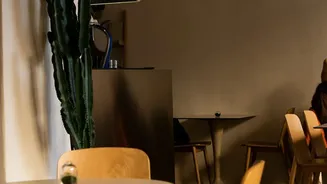
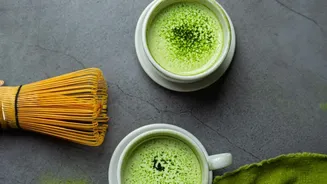
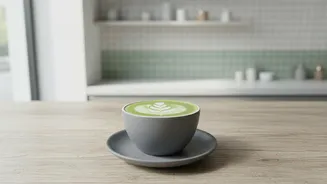
On the other end of the spectrum are the minimalist, modern cafés that reflect a completely different side of Bengaluru’s identity. In neighbourhoods like Indiranagar and HSR Layout, a new wave of matcha-forward spots like Ela Matcha, Turtle Matcha, and Paper & Pie are defined by clean lines, neutral tones, and a focus on intentionality. These spaces are often inspired by Japanese and Scandinavian design principles, creating a calm, uncluttered environment that complements the mindful ritual of drinking matcha. With sleek brew bars, comfortable workstations, and a focus on high-quality, ceremonial-grade matcha, these cafés cater to a crowd that appreciates craft, design, and a quiet space to work or unwind. Here, the minimalist aesthetic isn’t just a design choice; it’s an extension of the matcha experience itself—clean, focused, and thoughtfully composed.
The Entrepreneurs Behind the Green Rush
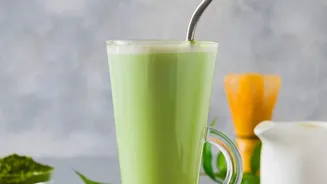
The rapid rise of matcha isn't accidental. It's being driven by a new generation of café owners and entrepreneurs who see an opportunity to stand out in Bengaluru's crowded coffee market. For many, like the founders of Sakura Matcha Bar, touted as the city’s first dedicated matcha bar, it began with a passion for the drink and a desire to introduce it to a wider audience. These entrepreneurs are often sourcing high-quality, ceremonial-grade matcha directly from Japan and educating customers on its nuances. They are experimenting with creative drinks like Strawberry Matcha Lattes, Dirty Matchas with an espresso shot, and even Matcha Lemonades to appeal to a broader palate. By offering something new and distinct, these café owners are not just cashing in on a trend but are actively building a new beverage culture from the ground up.