


From Seasonal Shield to Daily Staple
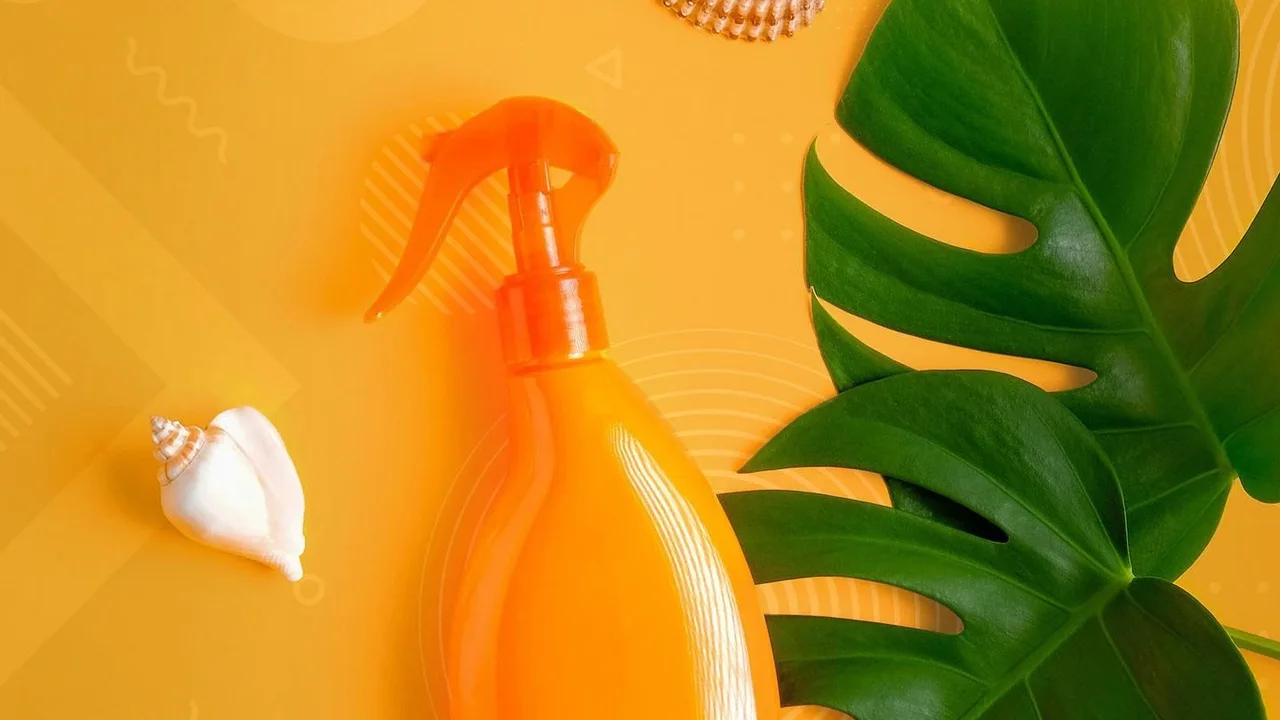
For decades, sunscreen was a seasonal affair, reserved for holidays and long days spent outdoors. Its primary job was simple: prevent sunburn. But a cultural and scientific shift has changed everything. Increased awareness of the long-term effects of sun exposure—from
premature aging to skin cancer—has driven home the need for daily protection. Consumers, armed with more information than ever, now understand that even incidental exposure from running errands or sitting near a window adds up. This has transformed sunscreen from a simple shield into a fundamental pillar of everyday skin health, as essential as cleansing or moisturizing.
The Skincare-ification of Sunscreen
The single biggest change in the SPF revolution is its fusion with high-performance skincare. Modern sunscreens are no longer just about UV filters; they are sophisticated, multi-tasking formulas packed with powerhouse ingredients once found only in expensive serums. Formulations are now commonly enriched with hyaluronic acid for hydration, niacinamide to refine pores and even skin tone, and a cocktail of antioxidants like vitamins C and E to neutralize free radicals from UV exposure and pollution. This trend, sometimes called 'skinimalism,' allows one product to do the work of several, streamlining routines without compromising on benefits.
Finally, Formulas You Actually Want to Wear
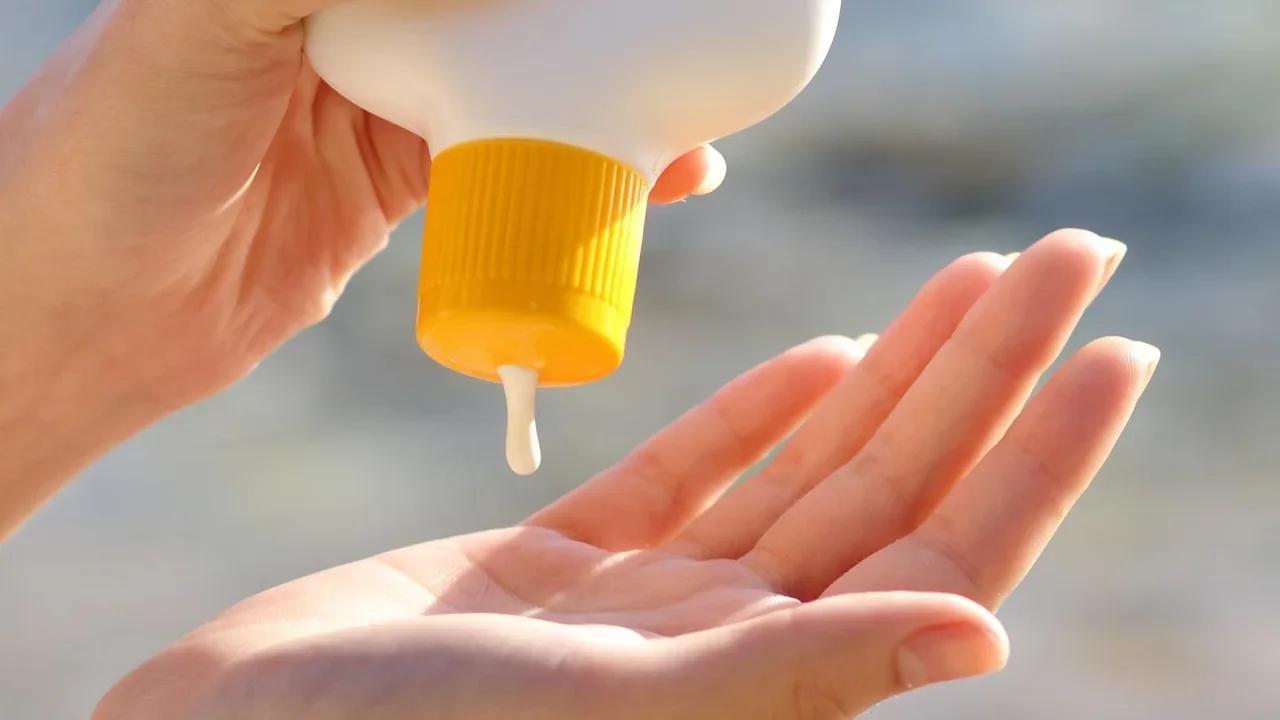
Perhaps the most critical factor in sunscreen's rise has been the vast improvement in what experts call “cosmetic elegance.” For a product to be used daily, it must feel good on the skin. Brands have responded by creating featherlight serums, invisible gels, and milky essences that absorb instantly without a greasy residue or a chalky white cast. This innovation has been particularly crucial for making sunscreen more inclusive for people with darker skin tones, who have historically been underserved by formulas that leave a noticeable residue. When a product is a pleasure to apply, compliance soars, making effective sun protection an effortless habit rather than a daily chore.
A New Era for Protection
The definition of 'protection' itself is expanding. Formulators are now creating products that shield skin not only from UVA and UVB rays but also from other environmental aggressors like blue light from screens and particulate pollution. A landmark development in the US occurred in mid-2026 with the FDA's approval of bemotrizinol, the first new sunscreen ingredient in over two decades. This ingredient, long used in Europe and Asia, is celebrated for its ability to provide stable, broad-spectrum protection in cosmetically elegant formulas that were previously difficult to achieve in the US market. This move signals a new chapter of innovation, promising even better and more wearable sunscreens for everyone.
The Dermatologist's Take
While the allure of an all-in-one product is strong, experts advise choosing wisely. Dermatologists largely celebrate the trend, as it encourages more people to wear sunscreen consistently. The consensus is that a well-formulated, multi-tasking sunscreen with an SPF of 30 or higher is an excellent choice for daily use. They confirm that combining skincare actives with UV filters can be effective, provided the product is from a reputable brand that invests in stability testing to ensure the ingredients work together without degrading the SPF. The most important factor remains finding a broad-spectrum product you love and will apply generously every single day.