


Beyond Butter Chicken and Biryani
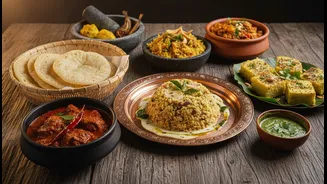
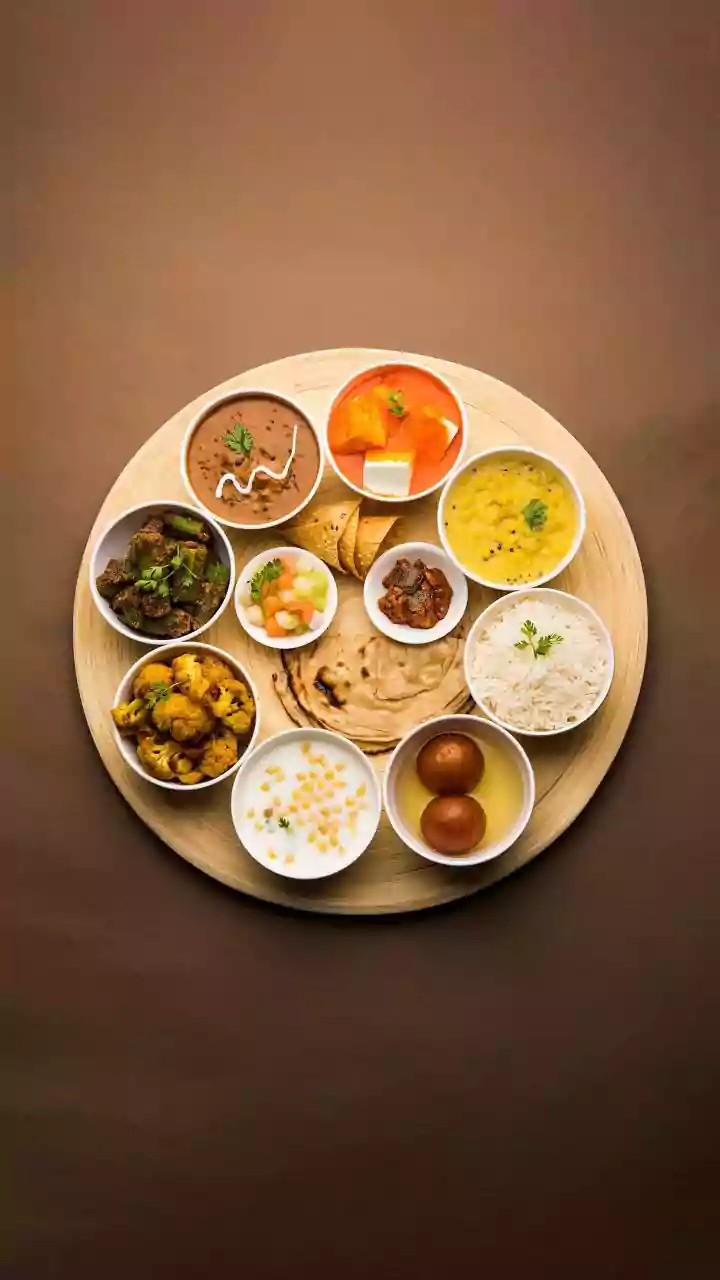
The era of the one-size-fits-all Indian menu is fading. Restaurants across the country are increasingly ditching generic categories like 'North Indian' and 'South Indian' for a more focused, authentic approach. This movement, known as the rise of hyper-regional
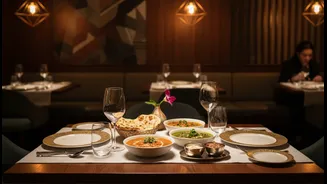
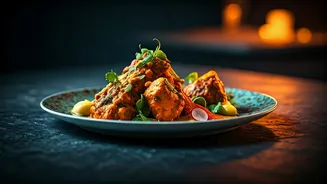
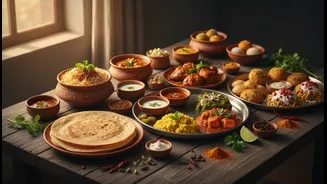
cuisine, champions the distinct culinary traditions of specific states, communities, and even villages. Instead of finding the same roster of popular curries, diners are now discovering dishes like Nagaland's smoked pork with bamboo shoots, Kerala's comforting avial, and Telangana's gongura preparations on urban menus. This shift reflects a growing appetite among diners for food that tells a story, offering a taste of a place's specific climate, culture, and history.
A Quest for Authenticity
Several factors are fuelling this culinary renaissance. Indian diners, more well-travelled and informed than ever, are actively seeking new and authentic experiences. There is a growing curiosity about the nation's diverse culinary heritage that goes beyond the mainstream. Chefs are leading this charge, acting as culinary historians and innovators. They are delving into their own backgrounds, reviving forgotten family recipes, and celebrating ingredients and techniques unique to their regions. This movement is not just about nostalgia; it’s a confident assertion of cultural identity, presenting dishes without apology or dilution for unfamiliar palates. Social media also plays a significant role, as unique, story-rich dishes attract attention and draw in curious food lovers.
Spotlight on the States
Across India and abroad, chefs are making names for themselves by championing specific regional flavours. In Mumbai, restaurants are celebrating the rich food culture of the Parsi community and showcasing hyperlocal coastal delicacies. Chefs like Regi Mathew with Kappa Chakka Kandhari in Chennai and Bengaluru offer a distinctive take on Keralan cuisine, telling stories of the region's traditions with each dish. In Ladakh, Chef Nilza Wangmo's Alchi Kitchen has introduced her native cuisine to a wider audience with dishes like skyu and tingmo. This trend has gone global, with restaurants like Semma in New York earning Michelin stars for presenting unapologetically authentic rural South Indian recipes. These establishments prove that there is a strong demand for genuine regional food, presented with pride and precision.
More Than Just a Meal
The rise of regional cuisine has an impact that extends far beyond the dining table. By focusing on hyperlocal ingredients, chefs are creating new markets for indigenous crops and supporting local farmers and producers. This emphasis on local sourcing is also a move toward more sustainable dining practices that align with seasonal produce. Furthermore, this trend is a powerful act of cultural preservation. As chefs resurrect forgotten recipes and celebrate the culinary traditions of smaller communities, they are safeguarding a vital part of India's heritage. For diners, it offers a chance to explore the nation’s extraordinary diversity, one plate at a time, and connect with the stories and people behind the food.
The Challenges on the Plate
Despite its growing popularity, championing regional food is not without its difficulties. Sourcing authentic, high-quality ingredients can be a major hurdle, especially for hyperlocal items that aren't part of the mainstream supply chain. Educating diners who may be unfamiliar with these cuisines is another challenge; menus must be approachable without sacrificing authenticity. For chefs, it requires deep research, a commitment to traditional techniques, and the ability to balance preservation with a touch of modern interpretation to appeal to today's palate. However, the success of many regional-focused restaurants shows that diners are willing to embrace the new, provided it is presented with passion and clarity.