






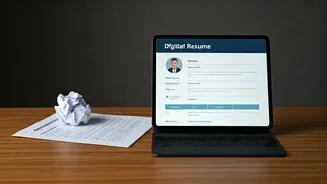


Modernise Your Resume for AI and Humans
Your resume is your primary marketing document, and in 2026, it needs to appeal to both Applicant Tracking Systems (ATS) and human recruiters. [14, 26] Companies use ATS software to scan and filter applications before they ever reach a person. [30] To
ensure your resume gets seen, use a clean, single-column format with standard headings like 'Experience' and 'Education'. [8, 26] Avoid complex designs, tables, or placing important information in headers or footers, as many systems can't read them correctly. [26, 30] When describing your experience, use keywords and exact phrases from the job description, but avoid unnatural 'keyword stuffing'. [14, 26] Instead of just listing duties, highlight measurable achievements using an 'impact + scope + method' formula to prove your value. [8]
Cultivate In-Demand Skills
A degree is no longer the only ticket to a great job; employers are increasingly adopting a skills-first hiring strategy. [13, 24] For fresh graduates, this means focusing on both 'hard' technical skills and 'power' soft skills. [27] High-demand technical skills in the Indian market include data analytics, AI and machine learning, cloud computing, and digital marketing. [13, 22, 28] However, employers consistently find that graduates lack crucial soft skills, which are seen as vital for long-term success. [6, 9, 11] Prioritise developing your communication, teamwork, problem-solving, and adaptability. [3, 4, 16] These are the transferable skills that demonstrate you can integrate quickly into a professional environment and contribute beyond your technical abilities. [12]
Build Your Professional Network Intentionally
Networking isn't just for seasoned professionals; it's a critical activity for new graduates. [5] Start by tapping into your existing network, which includes professors, alumni, classmates, and even family friends. [2, 5, 23] Your college's alumni network and career center are valuable resources, often providing mentorship opportunities and connections to people in your target industry. [2, 18] Beyond that, create a polished and professional LinkedIn profile. [5] Use it not just as an online resume but as a tool to connect with industry professionals, join relevant groups, and share content to build your personal brand. [2, 20] Remember, the goal of networking is to build genuine, long-term relationships, not just to ask for a job. [5, 18]
Develop a Strong Digital Presence
Before applying for jobs, audit your online presence. Recruiters and hiring managers often look up candidates on social media. Ensure your public-facing profiles are professional and align with the image you want to project. This extends beyond just cleaning up old posts; it's about proactively building a personal brand. [20, 28] Consider creating a digital portfolio on platforms like GitHub (for tech roles) or Behance (for design roles) to showcase your projects and practical skills. [19] A strong digital footprint that demonstrates your passion and expertise can significantly differentiate you from other candidates.
Lay Your Financial Foundation
Receiving your first salary is liberating, but financial discipline from day one is crucial for long-term security. The first step is to create a budget. [7, 10] A popular method is the 50/30/20 rule, where 50% of your take-home pay goes to needs (rent, bills), 30% to wants, and 20% to savings. [7, 10, 17] Prioritise building an emergency fund that can cover three to six months of essential living expenses. [17, 25] As a new earner in India, understand the tax regime; many first jobs fall into low or no-tax brackets, but it's still important to file returns. [17] Finally, start building a positive credit history by using a credit card responsibly and paying bills on time, which is essential for future financial goals. [15, 17]
Prepare for the Interview Process
Getting an interview means you've passed the initial screening; now it's time to prove you're the right fit. Thoroughly research each company and the specific role you're applying for. Prepare to talk about your skills and experiences using the STAR method (Situation, Task, Action, Result) to structure your answers with concrete examples. Employers value candidates who ask thoughtful questions, as it shows genuine interest and initiative. [18] Finally, practice your communication skills. Confidence, clarity, and the ability to listen actively are just as important as the content of your answers. [3, 27]