



The Hoh Rainforest, Washington
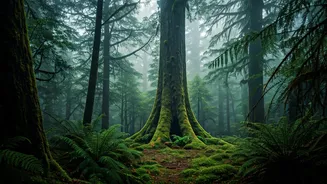
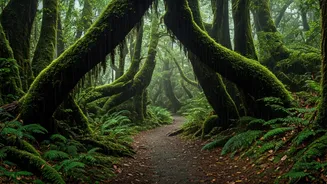
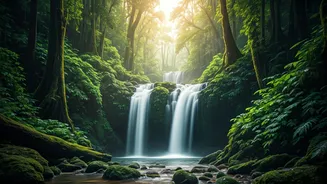
Let’s start with the obvious, because it’s just that good. The Hoh Rainforest, part of Olympic National Park, doesn’t just tolerate rain—it requires it. This is one of the largest temperate rainforests in the country, receiving an average of 12 feet of rain per year.
Forget a passing shower; this is a place defined by its life-giving dampness. The result is an almost surreal landscape. Giant Sitka spruce and Western hemlock trees are draped in thick carpets of club moss, creating a scene straight out of a fantasy novel. The rain mutes the sound, creating a profound quiet broken only by dripping water and the occasional bird call. Walking the Hall of Mosses trail in a light drizzle is a truly magical experience, where every shade of green seems to vibrate with life.
Portland, Oregon
Portland’s rainy reputation is well-earned, but the city is perfectly engineered for it. This isn't a place where life stops for weather; it’s where life adapts with cozy, creative energy. A gray, misty day is the perfect excuse to dive into what makes Portland a cultural gem. Spend a morning getting lost in the endless aisles of Powell’s City of Books, a full city block of literary treasure. Duck into a fiercely independent coffee shop for a meticulously crafted latte while watching the world go by. Explore the Pearl District’s galleries or find warmth in a craft brewery, where the beer is as inventive as the food trucks outside. The rain encourages you to slow down and savor the indoor culture that makes this city a year-round destination, not just a summer stop.
Ketchikan, Alaska
Locals in Ketchikan don’t check if it’s going to rain; they check for how long. As one of the rainiest places in North America, this Alaskan city is built on water. The constant precipitation feeds a spectacularly lush landscape, where waterfalls cascade down granite cliffs and the Tongass National Forest feels impossibly green. The famous Creek Street, a wooden boardwalk built on stilts over the water, is even more atmospheric when its planks are slick with rain and the salmon are running below. A rainy day here isn’t a wash-out; it's an opportunity to see the ecosystem at its most powerful. Take a boat tour into the Misty Fjords National Monument, where the low-hanging clouds and fog create an ethereal, otherworldly scene that sun-seekers will never get to witness.
The Great Smoky Mountains, Tennessee/North Carolina
The “smoke” in the Great Smoky Mountains is a mix of organic compounds from the vegetation and water vapor, a phenomenon that’s never more dramatic than during or after a rainstorm. When the clouds hang low in the valleys, the rolling blue-green hills live up to their name, creating layers of misty ridges that fade into the distance. A rainy day drive along the Blue Ridge Parkway or Newfound Gap Road offers breathtaking, moody vistas you won’t get on a clear day. The trails become quiet and contemplative, with the smell of damp earth and the sound of swollen streams filling the air. It’s the perfect time to chase waterfalls like Laurel Falls or Grotto Falls, which are at their most dramatic and powerful when fueled by a recent downpour.
Bar Harbor, Maine
While most flock to Acadia National Park for summer sun, a visit during the misty shoulder seasons of spring or fall reveals a different kind of coastal magic. When fog blankets the coastline, the pink granite cliffs and pounding surf take on a dramatic, brooding quality. The tourist crowds thin out, leaving you to experience the raw power of the Atlantic in relative peace. Driving the scenic Park Loop Road as mist weaves through the spruce-fir forests feels like entering another world. Instead of hiking for summit views, you can focus on the shoreline, watching the waves crash against Otter Cliff or exploring the tide pools on Sand Beach. Afterward, nothing beats warming up in a Bar Harbor pub with a bowl of chowder and a local brew, feeling like you have the entire island to yourself.