


Understanding the UDAN Scheme
At its core, UDAN, or 'Ude Desh ka Aam Nagrik' (Let the Common Citizen of the Country Fly), is a regional connectivity scheme (RCS) launched by the Indian government. Its primary goal is simple yet transformative: to make air travel affordable and to connect the vast,
unserved, and underserved parts of the country. Before UDAN, air travel was largely concentrated between major metropolitan hubs, leaving hundreds of smaller towns and potential tourist destinations difficult to reach. The scheme works by providing subsidies, known as Viability Gap Funding (VGF), to airlines to operate flights on commercially unviable routes. This financial support, coupled with concessions like reduced taxes on jet fuel and waived airport charges, encourages carriers to fly to smaller airports, with a portion of seats on each flight capped at affordable prices.
A Renewed Focus on Tourism
While early phases of UDAN focused on broad regional connectivity, later iterations have sharpened their focus on boosting tourism. Special attention is now being given to connecting destinations with significant tourism potential, including spiritual sites, wildlife sanctuaries, and, most notably, coastal and lakeside locations. This strategic shift includes the development of not just traditional airports but also water aerodromes for seaplanes and heliports for accessing difficult terrain. The recently approved 'Modified UDAN' scheme, set to run for a decade from 2026-27, doubles down on this promise, with plans to develop 100 new airports and enhance connectivity to islands, Himalayan states, and other remote areas.
Lakshadweep: India’s Coral Paradise
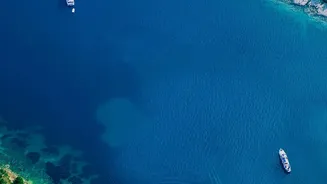
The breathtaking archipelago of Lakshadweep, with its turquoise lagoons and vibrant coral reefs, has historically been a challenge to access for mainstream tourists. However, UDAN is set to change this. The scheme has already included routes to enhance connectivity to the islands. Earlier phases aimed to connect islands like Kavaratti, Agatti, and Minicoy. By making flights more regular and potentially more affordable, the scheme aims to reduce the dependency on lengthy sea journeys, opening up these pristine islands to more travellers seeking an alternative to international destinations like the Maldives.
Andaman and Nicobar: Emerald Isles Get Closer
Similar to Lakshadweep, the Andaman and Nicobar Islands are another key focus area for enhanced connectivity under the Modified UDAN scheme. Beyond the main airport in Port Blair, the plan includes developing infrastructure like helipads to improve inter-island transport. This will make it easier for visitors to explore the archipelago’s scattered gems, from the mangroves of Baratang to the serene beaches of Havelock and Neil Island, strengthening the tourism economy and providing better access for locals.
Water Aerodromes: A New Way to Travel
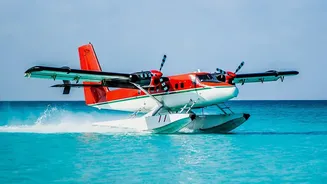
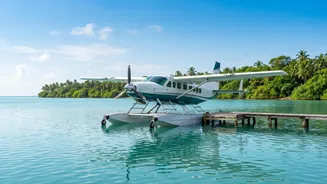
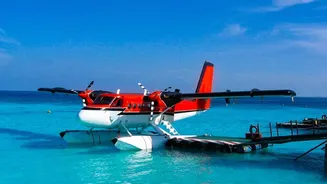
One of the most innovative aspects of UDAN's tourism push is the introduction of seaplane services. Leveraging India's extensive 7,500-kilometre coastline and numerous inland water bodies, the scheme has identified several locations for water aerodromes. A prime example was the route connecting the Sabarmati Riverfront in Ahmedabad to the Statue of Unity in Gujarat, which showcased the potential of water-based air travel. Future plans include connecting major lakes and reservoirs like Nagarjuna Sagar in Andhra Pradesh and Umrangso Reservoir in Assam, offering a unique and direct travel experience to scenic waterside locations.
Gateway to Chilika Lake and Coastal Odisha
Airports developed under UDAN, such as Jharsuguda, have significantly improved access to the state of Odisha. While not directly on the coast, these regional hubs act as new gateways for tourists to explore the state's vast, and often underrated, coastline and natural wonders. This includes Chilika Lake, Asia's largest brackish water lagoon and a paradise for birdwatchers. By flying into a nearer regional airport and completing the journey by road, travellers can cut down significantly on travel time compared to traditional train or long-distance road journeys, making a weekend trip to see the Irrawaddy dolphins a much more feasible option.