


The Official Warning
In early July, the Maharashtra Food and Drug Administration (FDA) issued a stern public warning against three cosmetic products: Goree Beauty Cream, Face Fresh Gold (a cream and serum combo), and Golden Star Beauty Cream. Following raids and laboratory
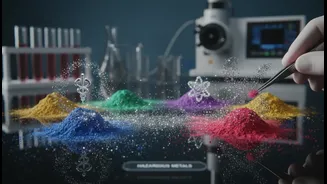
tests, these products were declared “Not of Standard Quality” after being found to contain dangerously high levels of toxic heavy metals. The tests revealed mercury levels as high as 11,944 parts per million (ppm) and lead at 32 ppm, vastly exceeding the safe, permissible limits for cosmetics. The FDA has ordered an immediate halt to the sale and distribution of these products, urging retailers and e-commerce platforms to recall them from the market.
The Dangers of Mercury and Lead
Mercury and lead are not ingredients to be taken lightly. They are heavy metals that can be absorbed through the skin and accumulate in the body over time. The FDA has warned that prolonged use of creams containing these toxins can lead to severe health consequences, including kidney damage or even failure, nervous system disorders, and serious skin problems. This isn't just a theoretical risk; the investigation was reportedly prompted by a pattern of kidney ailments observed in women in Nagpur who had all used one of the flagged creams. Health experts stress that no cosmetic can genuinely alter one's natural skin tone and caution consumers to be wary of products making dramatic “fairness” claims.
More Than Just Three Creams
While the focus is currently on these three products, the issue is much wider. The Indian market has long been grappling with the misuse of potent pharmaceutical drugs in over-the-counter creams. For years, dermatologists have warned about the dangers of “cocktail creams” that mix powerful topical steroids, hydroquinone, and tretinoin. These ingredients are intended for treating specific medical conditions under a doctor’s supervision but have been rampantly misused as fairness agents. This has led to an epidemic of what doctors call “Topical Steroid-Dependent/Damaged Face” (TSDF), causing side effects like skin thinning, severe acne, stretch marks, and increased facial hair. In 2018, the Union Health Ministry moved to curb this by placing 14 steroid-based creams under the Schedule H category, meaning they can't be sold without a prescription.
Why Does This Keep Happening?
The problem persists due to a combination of factors. Many of these toxic or unapproved creams are illegally imported and sold through grey market channels, including small local shops and unverified online sellers on e-commerce and social media platforms. Often, these products lack mandatory labelling information like the manufacturer's address, a batch number, or an expiry date, which are red flags for authenticity. The rapid growth of online marketplaces makes it challenging for regulators to monitor every seller. This is coupled with a deep-seated cultural desire for lighter skin, which drives demand and makes consumers vulnerable to products promising quick, dramatic results.
How to Keep Your Skincare Safe
Protecting yourself requires vigilance. Firstly, always purchase cosmetics from a brand's official website or authorized retailers. Be skeptical of deals that seem too good to be true. Secondly, inspect the packaging carefully before you buy. Look for high-quality printing, check for spelling or grammatical errors, and ensure all mandatory information is present: MRP, batch number, manufacturing and expiry dates, and the manufacturer's details. Finally, read the ingredient list. If it contains potent steroids like clobetasol or beclomethasone, or drugs like hydroquinone and tretinoin, it should only be used under the guidance of a dermatologist. If a product makes you suspicious, it’s best to avoid it.