






Your Rights Under the DGCA Passenger Charter
In India, passenger rights are protected by the Directorate General of Civil Aviation (DGCA). The DGCA's Passenger Charter outlines the rules airlines must follow. A major update effective from March 26, 2026, introduced several traveller-friendly policies.
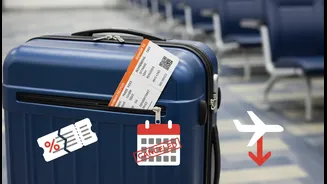
One of the most significant is the 48-hour free cancellation window. If you book a flight directly on an airline's website or app, you can cancel or amend it without a cancellation fee within 48 hours, provided the flight's departure is at least seven days away for domestic travel or 15 days for international travel. You are entitled to a full refund, though you may have to pay a fare difference if you rebook to a more expensive flight.
Refundable vs. Non-Refundable: What It Really Means
The first step in understanding your refund eligibility is checking your ticket type. Airlines offer two main categories: refundable and non-refundable. A refundable ticket, often called a 'flex' or 'flexi' fare, allows you to cancel your booking and receive a full or partial refund to your original payment method. These tickets are more expensive but offer peace of mind. A non-refundable ticket is cheaper, but if you cancel, you typically won't get the base fare back. However, 'non-refundable' isn't a complete loss. Under DGCA rules, even on a non-refundable ticket, you are still entitled to a refund of all statutory taxes and fees, such as the User Development Fee (UDF) and Passenger Service Fee (PSF), if you do not travel.
When the Airline Cancels Your Flight
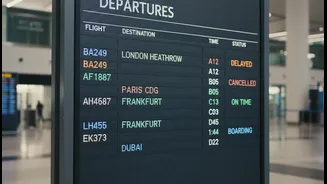
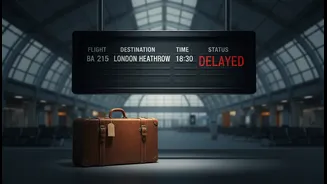
If an airline cancels a flight, you have significant rights. You are entitled to choose between receiving a full refund to your original mode of payment or accepting an alternative flight offered by the airline. You cannot be forced to accept a credit voucher instead of a cash refund in this situation. If the airline gives you less than two weeks' notice and doesn't provide a suitable alternative, you may also be entitled to financial compensation ranging from ₹5,000 to ₹10,000, depending on the flight duration. These compensation rules do not apply in cases of 'force majeure' events like extreme weather or security threats, but your right to a full refund or rebooking remains intact.
When You Decide to Cancel Your Flight
If you need to cancel a flight outside the 48-hour free window, your refund will depend on your ticket's fare rules. Airlines will deduct a cancellation fee from the total fare. The DGCA has capped these charges, stating they cannot be more than the combined base fare and fuel surcharge of the ticket. This ensures you always get the taxes back. The closer you get to the departure date, the higher the cancellation fees tend to be. For example, some Air India and Vistara flex fares offer free cancellations if done more than 72 hours before departure, while charges apply closer to the flight time. IndiGo's fees also vary based on fare type and how far in advance you cancel. Always review the specific airline's policy before booking.
The Refund Process and Timelines
Once a refund is initiated, the DGCA has set clear timelines for airlines to follow. For tickets purchased with a credit card, the airline must process the refund within 7 working days. If you booked through a travel agent or an online portal, the airline is still responsible for ensuring the refund reaches you within 14 working days. It's important to keep a record of your cancellation, including any reference numbers. If an airline fails to meet these timelines, you can escalate the issue through their grievance mechanism or with the government's AirSewa portal.