






What is Quiet Attention?
Forget the image of a perfectly still mind. Quiet attention isn't about forcefully emptying your head of all thoughts; it's about gently noticing without judgment. Think of it less like a laser beam of focus and more like the soft, ambient light of a lamp.
Your primary goal is simply to observe your breath as it is, without trying to change it. This approach removes the pressure to 'succeed' at meditating and instead fosters a sense of curiosity and acceptance. It's about being aware of the present moment, and the breath is your anchor to that moment.
Your First Five-Minute Practice
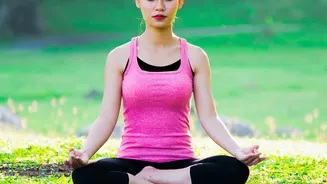
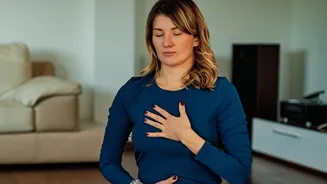
You don’t need any special equipment or an hour of free time. Start with just three to five minutes. Find a comfortable position, either sitting in a chair with your feet on the floor or lying down. You can close your eyes if it feels right, or just soften your gaze. Begin by taking a few deep breaths to settle in. Then, let your breathing return to its natural rhythm. Place your attention on the physical sensation of the breath—perhaps the rise and fall of your belly or the feeling of air at your nostrils. The only task is to notice these sensations.
When Your Mind Wanders (And It Will)
The most common experience for beginners is a wandering mind. You'll start thinking about your to-do list, a conversation from yesterday, or what to have for dinner. This is not a failure; it is a completely normal and expected part of the process. The practice isn't about never having thoughts. The moment you notice your mind has wandered is actually a moment of success. Simply acknowledge the thought without judging yourself, and then gently guide your attention back to the sensation of your breath. This act of returning, again and again, is the core of the exercise.
Common Hurdles for Beginners
Besides a wandering mind, beginners often report feeling restless, impatient, or even sleepy. If you feel antsy, try a walking meditation, focusing on the feeling of your feet on the ground. If you feel sleepy, try practicing in a well-lit room while sitting upright instead of lying down. The key is to notice these feelings as just another part of your present-moment experience, without letting them derail your practice. The goal isn't a perfect session, but consistent, gentle effort. Even a few minutes a day is more effective than one long session per week.
The Quietly Growing Benefits
While this practice is gentle, its benefits are profound. Consistent breath-awareness can help activate the body's relaxation response, which may lead to a lower heart rate, reduced blood pressure, and decreased feelings of stress and anxiety. It can also improve your ability to focus and enhance your overall sense of well-being. By paying attention to your breath, you are training your brain to be less reactive to the constant chatter of the mind, fostering a sense of calm that can carry over into the rest of your day.