


A Season of High Hopes and Higher Prices
For India’s auto industry, the period from Dussehra to Diwali is the most critical part of the year. It’s a time when consumer sentiment is high, festive bonuses are in hand, and buying a new vehicle is seen as a sign of prosperity. Automakers plan their
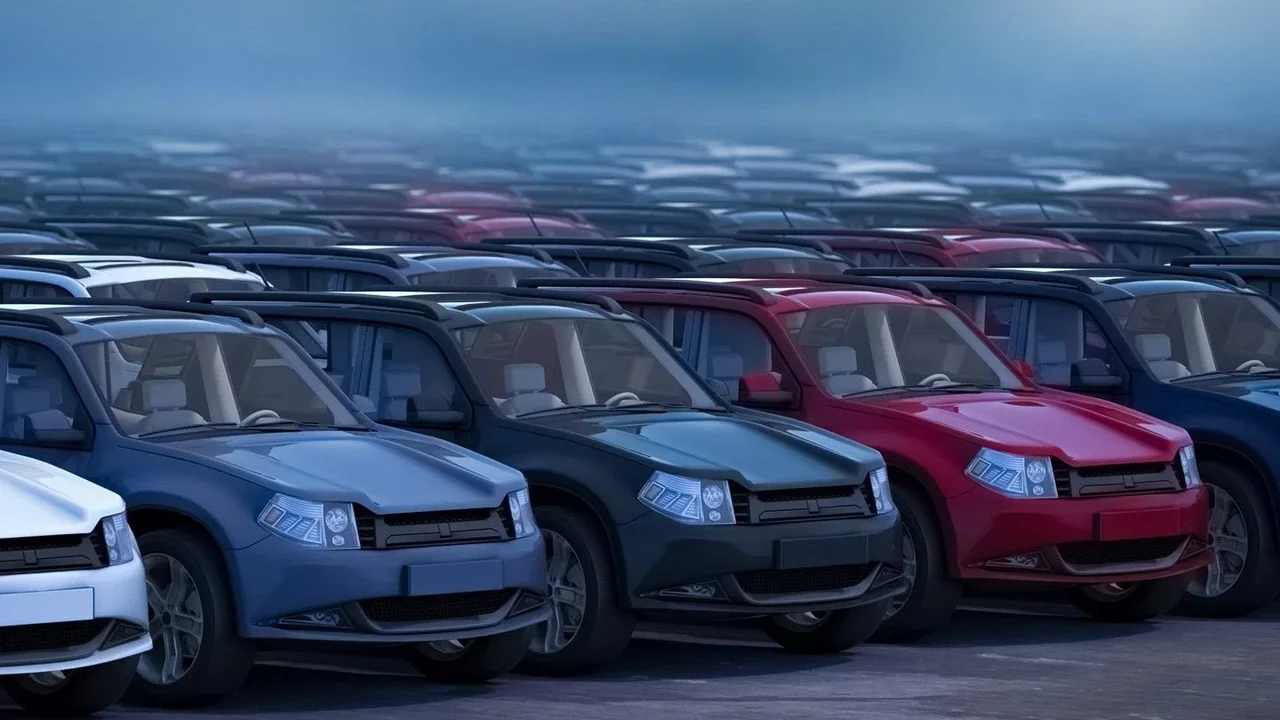
biggest launches and marketing campaigns around this window. Sales figures from July and August 2026 already show a significant jump, with manufacturers dispatching vehicles in large numbers to dealerships in anticipation of a blockbuster season. However, this year, the festive cheer is accompanied by a dose of financial caution as several major carmakers have confirmed that their models are getting more expensive.
Which Major Brands Are Raising Prices?
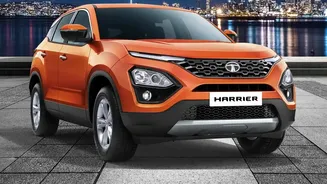
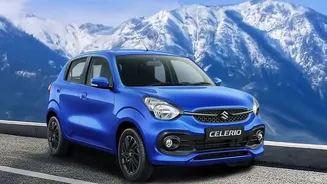
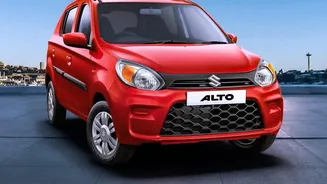
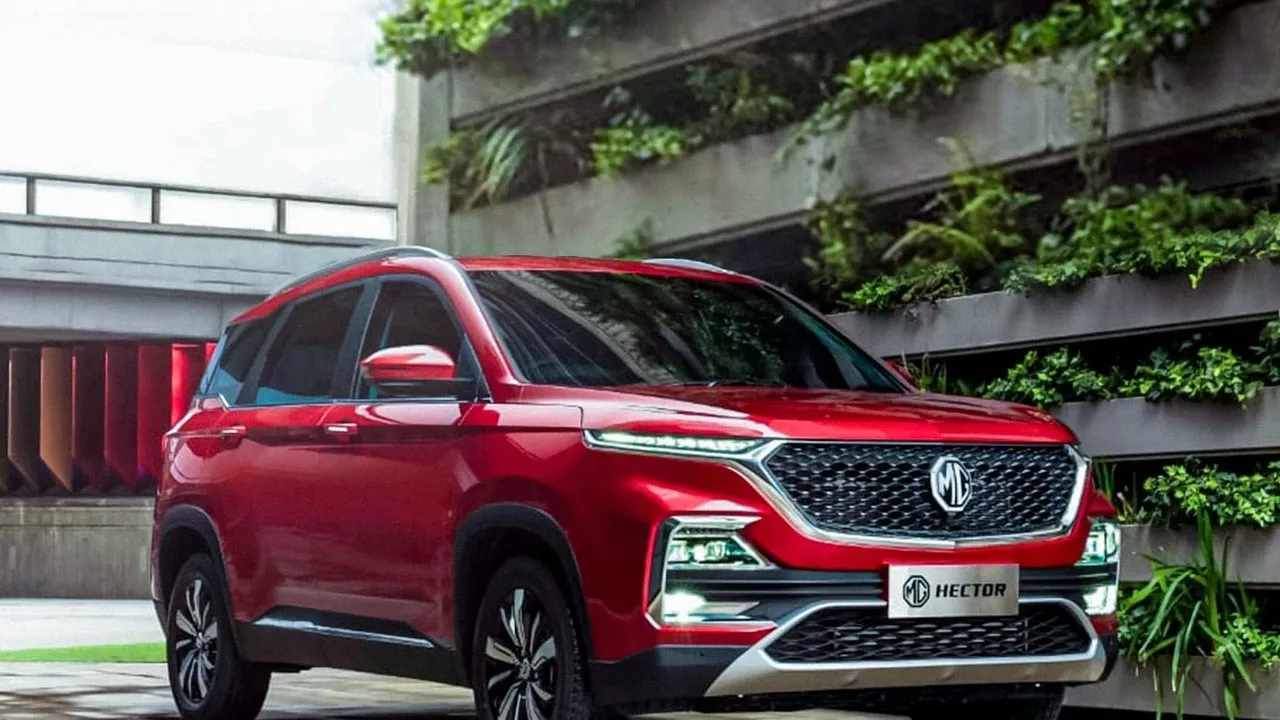
The price revisions are not isolated to one or two companies; it's a market-wide trend. Maruti Suzuki, India's largest carmaker, increased prices by up to ₹30,000 in August, its second significant hike in a few months. Following suit, Hyundai Motor India announced it would raise prices by up to 1% from September. Tata Motors also confirmed a price increase of up to ₹25,000 across its entire portfolio, including both petrol, diesel, and electric vehicles, effective September 1. This marks the third time this year that both Hyundai and Tata have raised their prices, signalling a consistent upward trend. Other brands like Mahindra & Mahindra and even premium players like BMW have also adjusted their prices upwards in recent months, citing similar pressures.
The Reasons Behind the Hikes
Automakers are unanimous in their reasoning: they are grappling with rising input costs. This term covers a wide range of expenses that have been escalating. The cost of key raw materials like steel and rubber has been a persistent issue. Furthermore, geopolitical and macroeconomic uncertainties have impacted supply chains and increased operational expenses for manufacturers. For electric vehicles, a specific pain point has been the rising cost of battery packs. While companies state they are absorbing a significant portion of these increased costs, they have been forced to pass some of the burden onto customers to protect their margins.
A Smart Buyer's Guide to the 2026 Festive Season
So, what should a prospective buyer do? The dream of a festive car purchase isn't lost, but it requires a smarter, more flexible approach. While new models arriving at showrooms will carry the fresh, higher price tags, there are still opportunities to find a good deal. The key is to shift your focus from the latest launch to the existing inventory at the dealership. Many dealers have stock of vehicles manufactured earlier in the year or even pre-facelift versions of popular models that they need to clear before the new stock takes over. For instance, reports indicate that massive discounts are available on certain Tata EV models and pre-facelift versions of other cars to clear out inventory.
Where to Find the Real Festive Deals
Your negotiating power may be stronger than you think. With dealer inventories reportedly higher than usual in the run-up to the festival, showrooms are under pressure to move units. This creates a window for savvy customers. Look for 'MY25' or older stock, which often comes with significant cash discounts, exchange bonuses, and other benefits. Don't just focus on the ex-showroom price; negotiate on insurance, accessories, and extended warranties. Also, be sure to ask about official company offers versus dealer-level schemes. While a new model might be advertised with a price hike, a slightly older one on the same showroom floor could come with benefits that more than offset the increase. Widen your search to include different variants and even different fuel types to find the best value package.