





A call from the police is enough to make anyone anxious. Cybercriminals are exploiting this fear, using sophisticated tactics to impersonate police and extort money. Here’s a breakdown of how the scam works and the steps you can take to stay safe.
The Anatomy of the Scam
The
scam, often called 'digital arrest', starts with an unexpected call. The person on the other end claims to be an officer from the police, CBI, or another law enforcement agency. They might use an automated voice at first, or a live person may speak directly. The caller will allege that your identity, perhaps your Aadhaar number or bank account, has been linked to a serious crime like money laundering or drug trafficking. They might claim a parcel with illegal items has been found in your name. The goal is to create immediate panic and confusion, making you vulnerable to their demands.
Sophisticated Deception Tactics
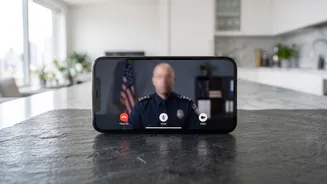
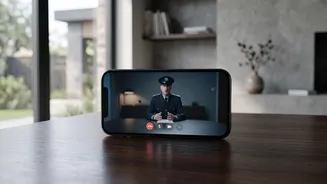
To make their threats believable, these scammers use several tricks. They often use 'caller ID spoofing' to make it look like the call is coming from a genuine police or government number. They may send you fake documents like FIRs, arrest warrants, or official-looking notices via WhatsApp. In many cases, they escalate the situation to a video call on platforms like Skype. On camera, you might see someone in a police uniform, often in a room designed to look like a police station, adding a layer of visual authenticity to their claims. They might even have some of your personal information, which adds to the legitimacy of their threat.
Red Flags: How to Spot a Fake Police Call
Despite their elaborate setup, there are clear signs that you are dealing with a scammer. The single biggest red flag is any demand for money. Real law enforcement agencies will never ask for payment over the phone to 'settle a case', pay a fine, or for 'verification'. Another major warning sign is the creation of urgency and secrecy. Scammers will pressure you to act immediately and will often forbid you from speaking to family or a lawyer, claiming the matter is confidential. They might also instruct you to stay on the video call for hours or even days, a tactic known as 'digital arrest', which has no legal basis in India.
Your First Line of Defence
If you receive such a call, the most important thing to do is stay calm. Scammers feed on panic. Do not share any personal information like your Aadhaar number, bank details, or OTPs. The best course of action is to simply hang up the phone. You are under no legal obligation to stay on a call. After disconnecting, take a moment to tell a trusted friend or family member what happened. Scammers thrive on isolating their victims, and sharing your experience can break their hold. Do not call back the number that contacted you.
How to Verify and Report the Incident
To verify if there is a genuine issue, find the official phone number of your local police station from an official government website and call them directly. Do not use any number provided by the suspicious caller. If you have not lost any money but want to report the fraudulent call, you can use the 'Chakshu' facility on the Sanchar Saathi portal (sancharsaathi.gov.in) to report the number. If you have unfortunately already paid the scammers, time is critical. Immediately call the National Cyber Crime Helpline at 1930 and file a formal complaint on the National Cyber Crime Reporting Portal at www.cybercrime.gov.in. Prompt reporting increases the chances of freezing the transaction and potentially recovering the funds.