





What's New with the Visa-Free Policy?
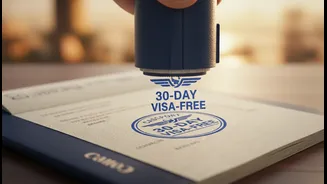
In a move that brings both relief and a slight adjustment for Indian travellers, the Thai government has confirmed it will continue its popular visa-free entry scheme for Indian passport holders. The catch? The maximum permitted stay has been reduced
from the previous 60 days to 30 days. This decision comes after a period of uncertainty where there were discussions about ending the visa-free arrangement entirely. Concerns over a drop in tourist numbers from India, a top market for Thai tourism, reportedly prompted the government to retain the scheme but with new conditions. The change replaces the visa-on-arrival system and standardises the visa exemption for India alongside 58 other countries.
Why the Shorter Stay?
The adjustment from a 60-day to a 30-day stay is part of a broader overhaul of Thailand's visa regulations. The Thai cabinet decided to revoke the longer 60-day visa-free period, which was available to 93 countries, citing concerns that it was being misused for activities other than tourism, including illegal work and overstaying. Officials have stressed that the goal is to strengthen national security and immigration controls while still encouraging genuine tourism. According to Thailand's Tourism Minister, a 30-day stay also aligns better with the actual travel patterns of most Indian visitors, who typically stay for about one week on average. This change is seen as a way to balance economic benefits with security considerations.
How Does This Affect Your Holiday Plans?
For the vast majority of Indian tourists, this policy tweak will have little to no impact. Since most holidays to Thailand last between five to ten days, a 30-day visa-free stay is more than sufficient for a typical vacation, whether it's exploring Chiang Mai's temples, relaxing in Krabi, or shopping in Bangkok. The benefit of spontaneous, last-minute travel to one of India's favourite destinations remains firmly in place. The change primarily affects those who were planning extended stays or 'workcations' using the visa-free scheme. Anyone who entered Thailand before the new rules officially come into effect will be allowed to stay for the duration granted upon their arrival.
Need to Stay Longer Than 30 Days?
If your travel plans require a stay longer than one month, you still have several excellent options. The most straightforward route is to apply for a standard 60-day tourist visa from a Thai embassy or consulate in India before you travel. For digital nomads, remote workers, or those looking to immerse themselves in Thai culture for an extended period, the recently introduced 'Destination Thailand Visa' (DTV) is an ideal solution. The DTV is a five-year, multiple-entry visa that allows for a stay of up to 180 days per entry and is specifically designed for freelancers, remote workers, and those enrolling in long-term courses like Muay Thai or culinary classes. This ensures that while the short-term visa-free perk has been adjusted, pathways for long-term stays are now more structured and accommodating.