






The Promise of a Quick Fix
India faces a significant public health challenge known as 'hidden hunger', where a large portion of the population suffers from micronutrient deficiencies despite consuming enough calories. Widespread deficiencies in iron, vitamin B12, vitamin D, and
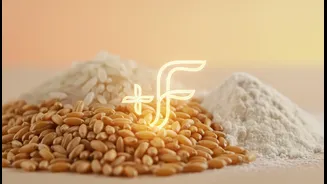
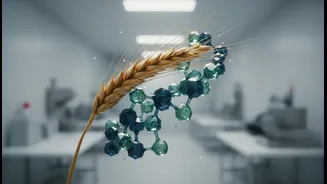
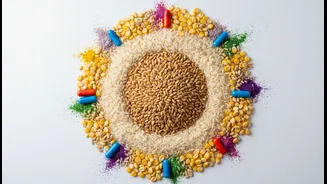
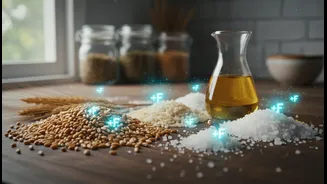
folic acid contribute to high rates of anaemia, poor cognitive development in children, and other serious health issues. In response, food fortification has been promoted as a cost-effective and scalable solution. The strategy involves adding essential vitamins and minerals to everyday staple foods like salt, milk, oil, wheat flour, and rice. The logic is simple and powerful: if people can get essential nutrients from the foods they already eat daily, public health can be improved without requiring drastic changes in dietary habits. FSSAI, India's food safety authority, has established standards for fortification, which it frames as a complementary measure to improve nutritional quality.
A 'Technical' Solution with Limits
While fortification seems like an elegant solution, experts warn against viewing it as a cure-all. A major criticism is that it oversimplifies nutrition. Whole foods like fruits, vegetables, and pulses contain a complex matrix of fibre, antioxidants, phytonutrients, and other bioactive compounds that work together. Fortification only adds back a handful of isolated, often synthetic, nutrients. It cannot replicate the complex benefits of a whole food. For example, adding iron to polished rice does not compensate for the fibre and B-vitamins lost when the bran and germ are removed. Critics argue that this approach risks creating a dependency on processed foods and diverts attention from the root cause of malnutrition: the lack of access to affordable, diverse diets.
Why Whole Foods Still Win
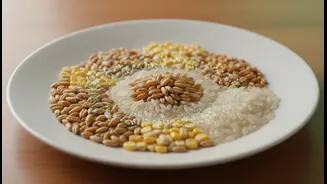
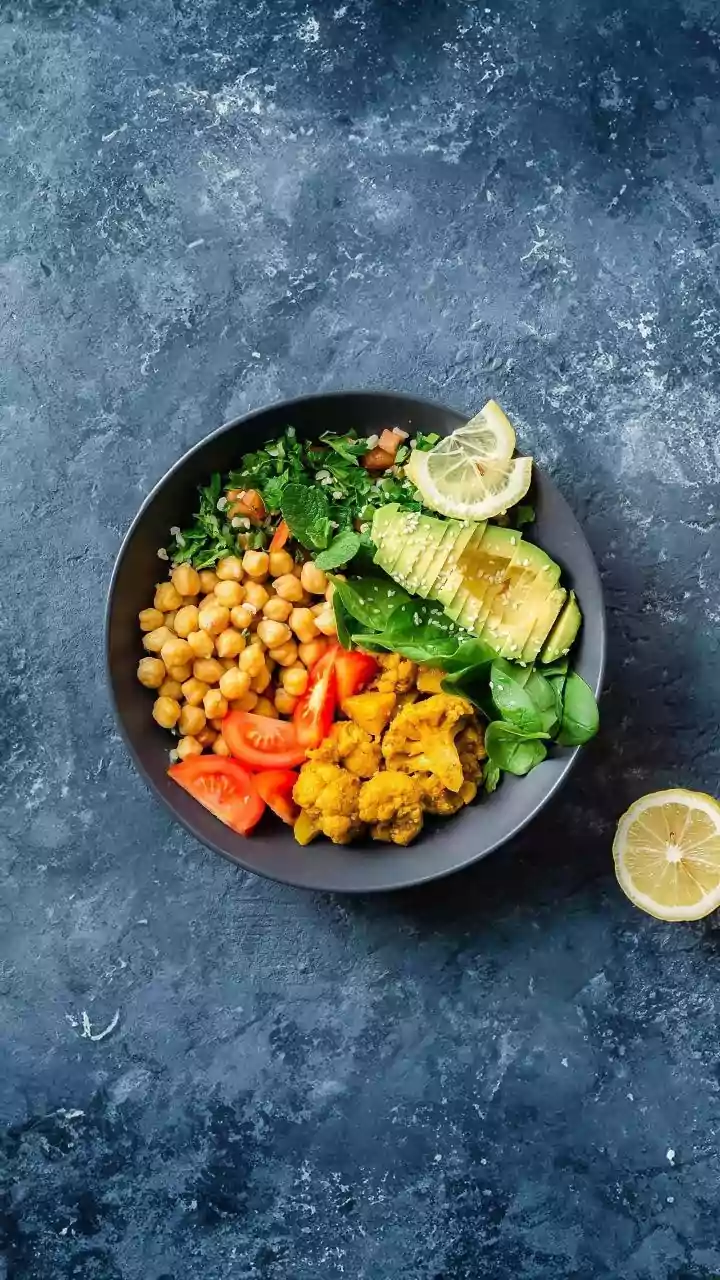
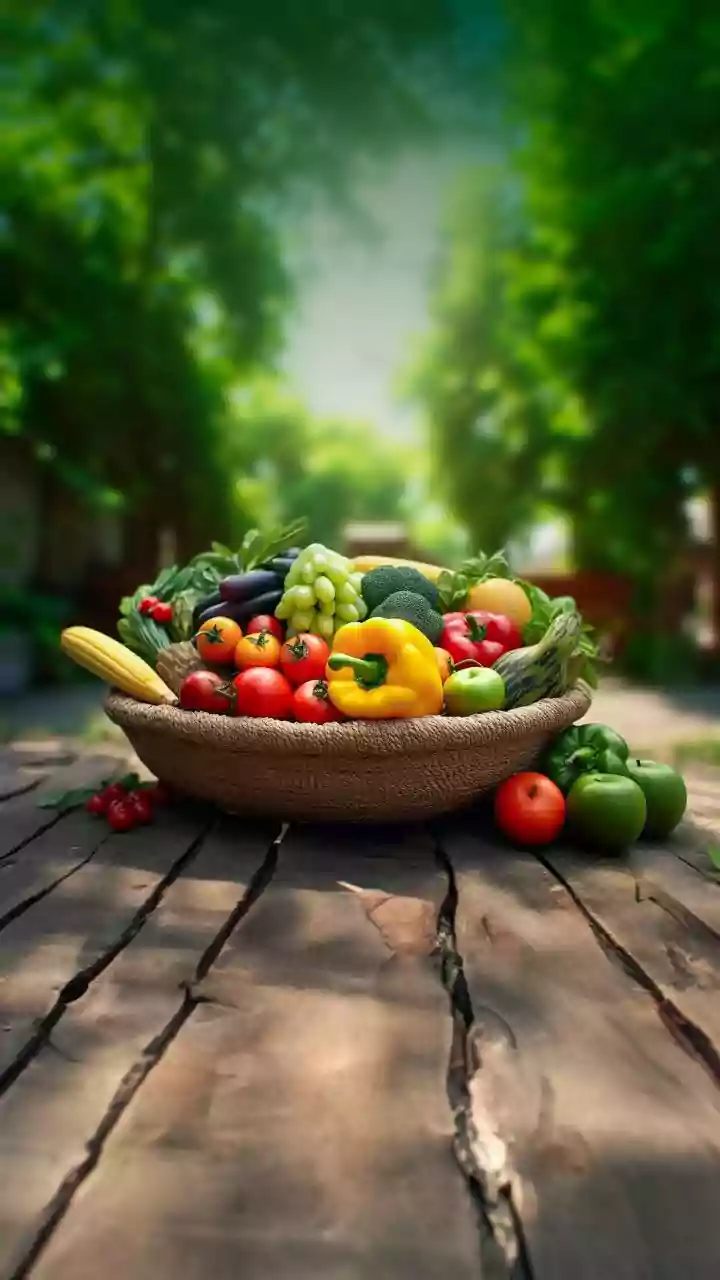
A varied diet is nature’s own fortification strategy. India’s traditional food systems are rich with nutrient-dense options like millets, diverse pulses, and countless varieties of local green leafy vegetables that are often overlooked. These foods offer a broader spectrum of nutrients than fortified staples. Dietary diversity is a strong predictor of nutritional adequacy. Relying solely on a few fortified staples can lead to a monotonous diet and may not solve the underlying problem. For instance, not all anaemia is caused by iron deficiency; it can also stem from deficiencies in vitamin B12 or folic acid, or other health issues. A diverse diet is more likely to cover all these bases. Focusing on fortification alone risks devaluing and suppressing the demand for naturally nutrient-rich foods.
The Risks of a One-Size-Fits-All Approach
Mandatory or large-scale fortification is a blunt tool that applies to everyone, regardless of their individual nutritional status. This creates a risk of excessive intake for some, which can be harmful. For example, excess iron intake can be toxic for individuals with conditions like thalassemia or certain infections. This is why FSSAI mandates a warning label on iron-fortified foods. Furthermore, there are concerns that the push for fortification primarily benefits a small number of large corporations that produce the fortificants and processed foods, potentially harming the informal economy of local millers and food processors.
A Balanced Plate for a Healthier India
The consensus among many nutrition experts is not to abandon fortification entirely, but to see it for what it is: a supplementary, and hopefully temporary, strategy. It can be a useful tool to address specific, widespread deficiencies in vulnerable populations, especially where dietary diversity is currently out of reach. However, the long-term, sustainable solution to malnutrition lies in improving food systems to ensure everyone has access to a varied and nutritious diet. This involves promoting agricultural biodiversity, supporting local farmers, providing better nutrition education, and improving economic access to fresh foods. Fortification can provide a nutritional safety net, but the ultimate goal must be to make that net unnecessary.