




General Monsoon Gardening Care
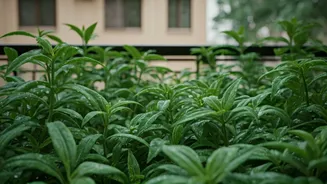
Before we dive into specific plants, it's crucial to understand the season's challenges. The Indian monsoon brings high humidity and plenty of water, which can be a double-edged sword. [7] The biggest threat to your plants is waterlogging, which can lead
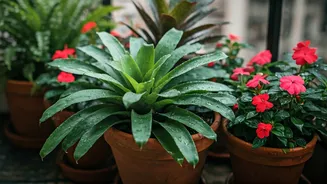
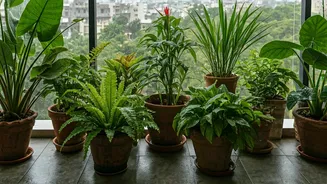
to root rot and fungal diseases. [7, 10, 12] To counter this, ensure every pot has adequate drainage holes. [10, 12] Using terracotta pots can also help, as they absorb excess moisture. [20] It's also wise to prepare a well-draining soil mix by adding sand or cocopeat. [9, 20] During this season, you should water plants less frequently, checking first if the top inch of soil is dry. [10, 19] Finally, be prepared to tackle pests like slugs and snails, which are more active in wet conditions; a preventive spray of neem oil can work wonders. [9]
Hibiscus (Gudhal)
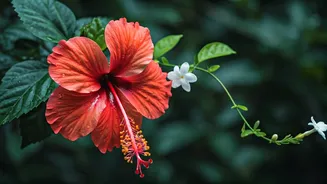
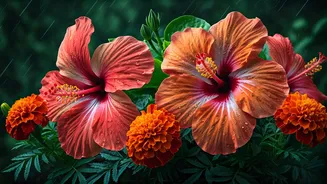
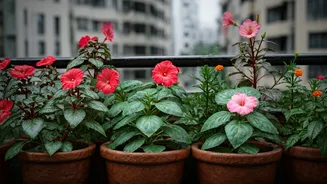
A staple in Indian gardens, the Hibiscus truly comes alive during the monsoon. [4, 7] The cooler temperatures and increased moisture encourage these plants to produce large, showy flowers in shades of red, pink, yellow, and white. [4, 13] They thrive in the warm, moist climate of the rainy season. [4, 7] Plant your hibiscus in well-drained soil where it can receive ample sunlight. [4] While it loves rain, ensure the roots aren't sitting in stagnant water. [7] Regular pruning is beneficial as it encourages more blooms and helps maintain the plant's shape. [4, 7] Known for its use in religious offerings and traditional remedies, this plant is both beautiful and culturally significant. [6, 13]
Jasmine (Mogra/Chameli)
There is nothing quite like the combination of fresh rain's petrichor and the sweet fragrance of Jasmine. These flowering vines or shrubs adore the humidity of the monsoon, producing an abundance of aromatic blooms. [2, 4] Popular varieties in India include Mogra (Arabian Jasmine) and Chameli. [2, 4] Jasmine prefers well-drained soil and a spot with partial to full sunlight. [4] The monsoon is also an excellent time to propagate jasmine from cuttings to expand your collection or share with friends. [18] With its intoxicating scent and delicate white flowers, it’s a must-have for any monsoon garden. [16]
Rain Lily (Zephyranthes)
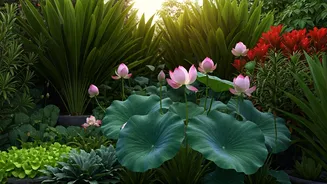
As its name suggests, the Rain Lily is a magical plant that sprouts dainty, star-shaped flowers shortly after a shower. [2, 18] These small, bulbous plants are incredibly low-maintenance. You plant the bulbs, and nature does the rest. They bloom multiple times throughout the rainy season, often surprising you with their sudden appearance. [18] The flowers come in shades of pink, white, and yellow. They are perfect for garden borders or filling in gaps in pots, adding a touch of whimsy and colour to your green space. [2]
Marigold (Genda)
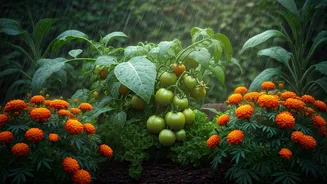
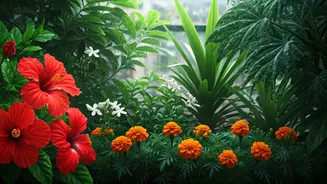
Cheerful and resilient, Marigolds are a fantastic choice for the monsoon. These annuals continue to produce their bright yellow and orange blooms even during heavy rains. [4, 16] They are famously easy to grow and are known to be pest-resistant, even helping protect other plants in your garden from unwanted insects. [4] Plant them in well-drained soil with good sun exposure. Their vibrant colour provides a beautiful contrast against the grey monsoon sky, making them a staple in Indian homes for both decoration and religious ceremonies. [16]
Monsoon Vegetables
The rainy season is incredibly productive for growing your own food. Many vegetables thrive in the humid and moist conditions. [2, 9] Gourds are classic monsoon champions; varieties like Bottle Gourd (Lauki), Bitter Gourd (Karela), and Ridge Gourd (Turai) grow vigorously. [8, 9] Other reliable choices include Okra (Bhindi), which loves the warmth and humidity, and various types of beans. [3, 8, 9] Even tomatoes and brinjal (eggplant) can be grown successfully if started at the beginning of the season. [3, 11] For balcony gardeners, many of these can be grown in large pots or containers, provided they have at least 5-6 hours of sunlight and good drainage. [11, 17]
Ornamental Foliage Plants
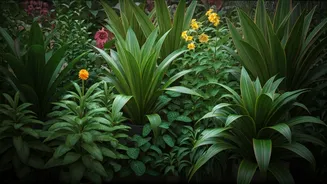
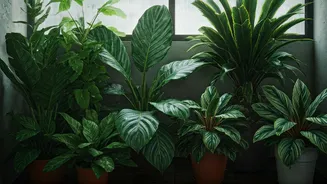
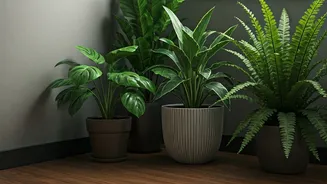
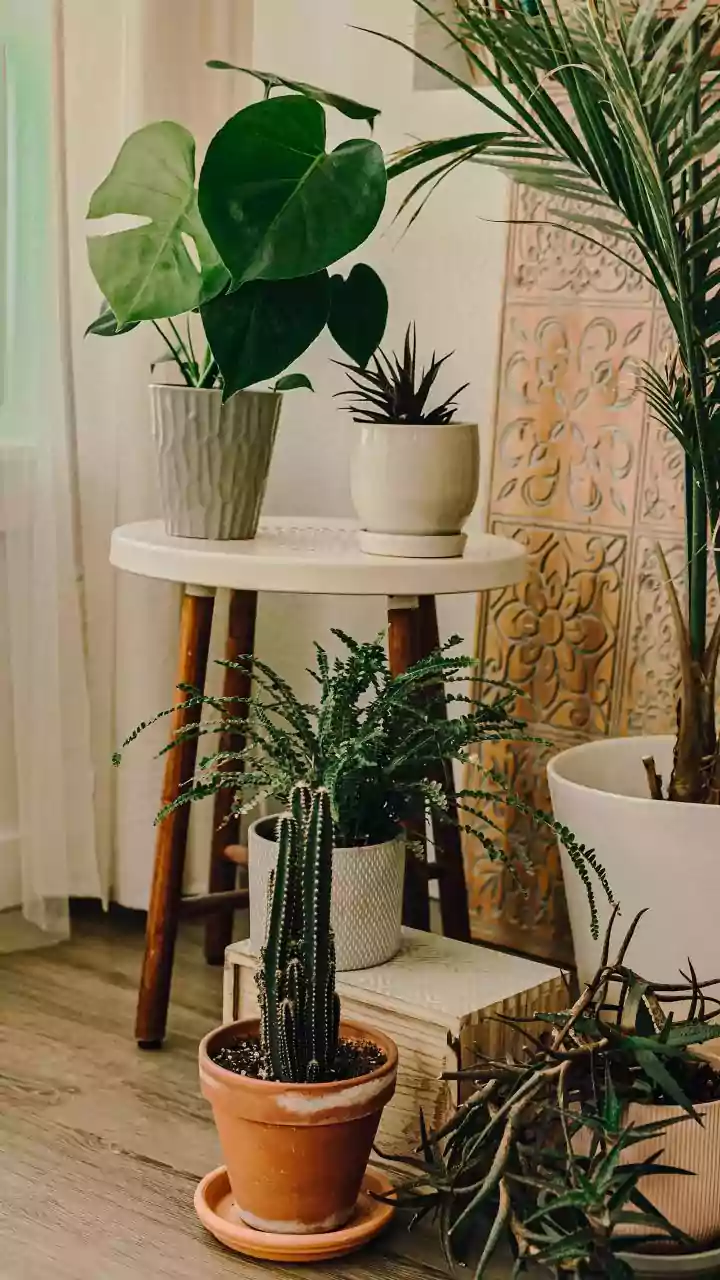
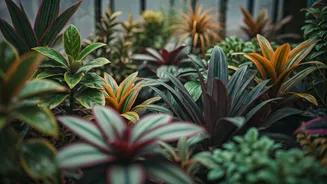
Flowers aren't the only way to create a lush monsoon look. Many foliage plants flourish in the high humidity. [7] Ferns, for example, bring a soft, delicate texture to shaded areas and love the consistent moisture. [13] Money Plants grow much faster during the monsoon, their vines thriving in the humid air. [2, 7] Another excellent choice is the Monstera, with its large, dramatic leaves that adore the ambient moisture. [2] For a pop of colour, consider Coleus, which is known for its vibrant, patterned leaves and grows successfully in rainy conditions. [7]