

Visa First: Your Ticket to Entry
For Indian passport holders, a spontaneous trip to Vietnam is entirely possible thanks to the e-visa system. You no longer need to visit an embassy. Simply apply through the official government portal. The process is straightforward: fill in the form,
upload a digital photo and a scan of your passport, and pay the fee, which is approximately $25 USD (around ₹2,100). The key for a short-notice trip is the processing time, which is typically just three to five working days. Once approved, you'll receive the e-visa as a PDF. Just print it out and you're ready to go. This e-visa allows for a 90-day stay, giving you plenty of flexibility.
Crafting a Realistic Daily Budget
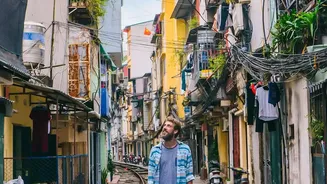
Vietnam is famously affordable, but it helps to have a number in mind. For a true backpacking experience, you can comfortably manage on a daily budget of ₹2,500–₹3,500 per person. This covers a bed in a decent hostel (₹600–₹1,200), three delicious street food meals (₹800–₹1,200 total), local transport, and some buffer for drinks or small entry fees. A hearty bowl of Phở or a Banh Mi sandwich can cost as little as ₹150–₹250. Staying in hostels in major hubs like Hanoi's Old Quarter or Ho Chi Minh City's District 1 puts you right in the action and helps you meet other travellers, all while keeping costs low. Many hostels can be booked last-minute on various apps or even by walking in, especially outside of peak season.
Getting Around for Less
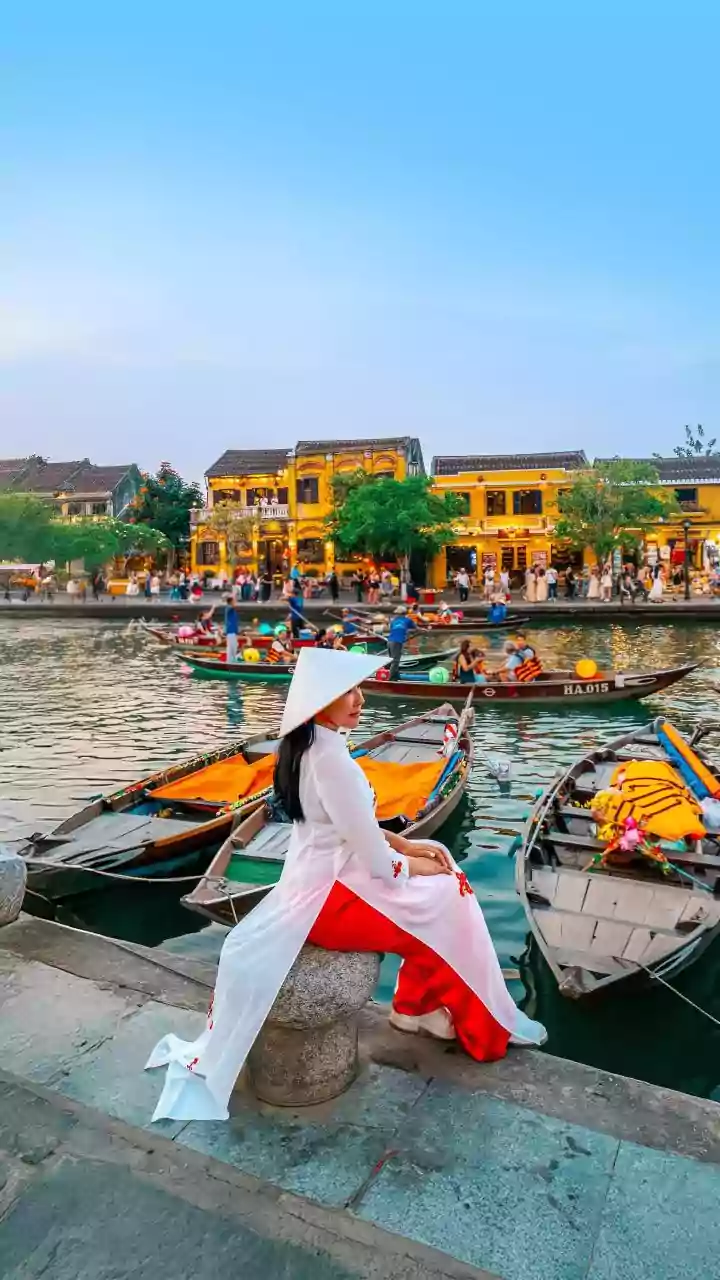
Vietnam is a long, thin country, making efficient travel between cities crucial. For backpackers, sleeper buses are the undisputed king of budget travel. For less than $20 (around ₹1,600), you can cover long distances overnight, which also saves you the cost of a night's accommodation. Trains are another excellent option, offering more comfort and scenic views for a slightly higher price. For travel within cities, ride-hailing apps like Grab are a lifesaver. A GrabBike (motorbike taxi) is the fastest and cheapest way to navigate traffic-heavy streets, with most rides costing under ₹150–₹250. For very short trips, walking is often the best way to soak in the atmosphere, especially in compact areas like Hoi An's Ancient Town or Hanoi's Old Quarter.
Unforgettable Experiences That Won't Break the Bank
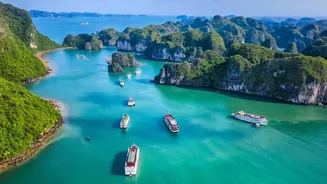
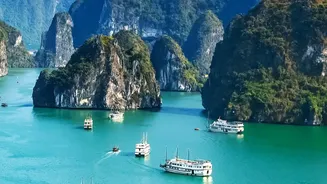
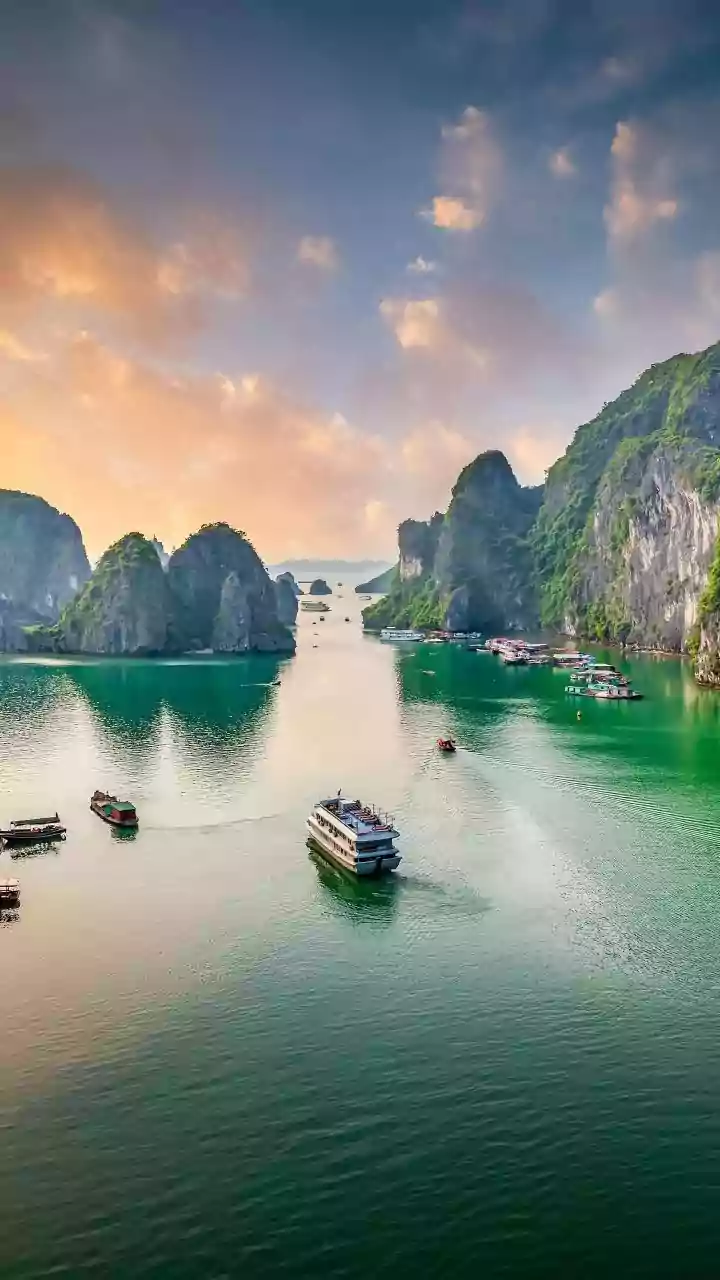
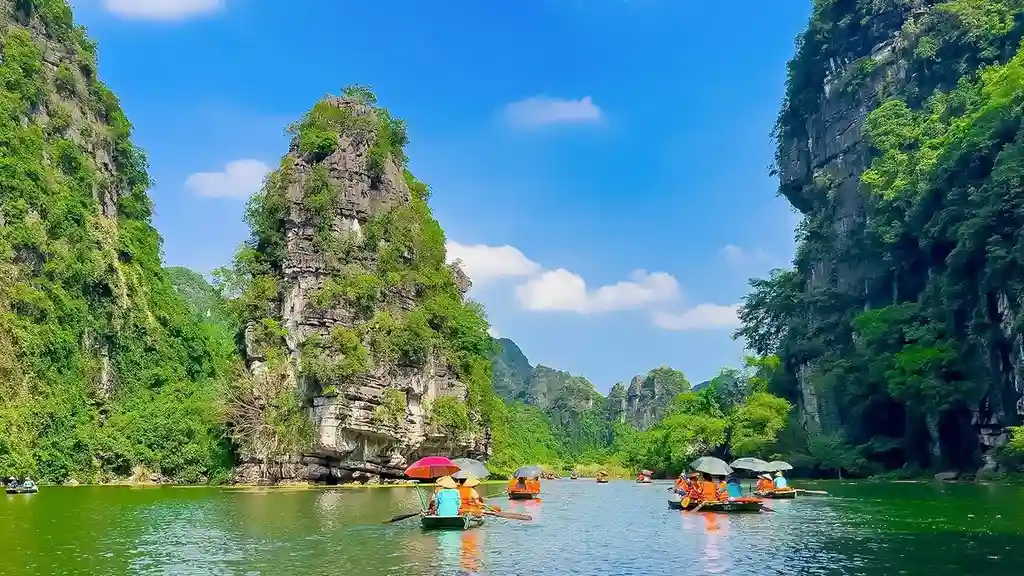
The best things in Vietnam are often cheap or entirely free. Instead of expensive tours, rent a scooter for about ₹500–₹800 a day to explore the countryside at your own pace, like the stunning limestone karsts around Ninh Binh, often called 'Ha Long Bay on land'. In Hanoi, simply wandering the 36 streets of the Old Quarter, watching a local game of đá cầu (foot shuttlecock) by Hoan Kiem Lake, or visiting the Ho Chi Minh Mausoleum complex costs next to nothing. Many of the country's most beautiful beaches in places like Da Nang or Mui Ne are public and free to access. Entrance fees to historical sites and museums, like the War Remnants Museum in Ho Chi Minh City, are typically very low, often just a couple of hundred rupees.
Eating Like a King on a Pauper's Budget
Vietnamese street food is a cornerstone of the travel experience and incredibly friendly to your wallet. You can eat three full, delicious meals a day for under ₹1,000. Start your day with a bowl of Phở, the iconic noodle soup, for breakfast. For lunch, grab a Banh Mi, a crusty baguette filled with pâté, meats, and fresh herbs. For dinner, find a bustling street-side stall selling Bun Cha—grilled pork served with noodles, herbs, and a dipping sauce. Don't forget to try Bia Hơi, fresh draft beer that can cost less than ₹50 a glass. Eating on small plastic stools at these local spots isn't just about saving money; it's about diving headfirst into the local culture and enjoying some of the best food the country has to offer.