


Goodbye, Cold Minimalism
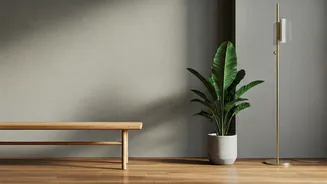
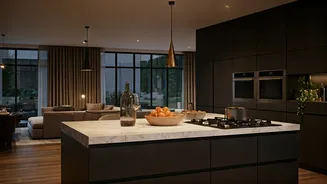
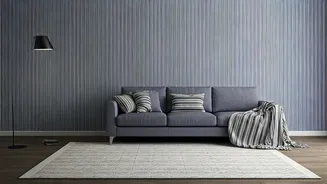
For the better part of a decade, the dominant global design trend, heavily adopted in urban India, was one of stark simplicity. Think grey walls, sharp-angled furniture, high-gloss surfaces, and an almost clinical absence of clutter. Inspired by Scandinavian
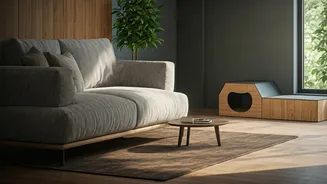
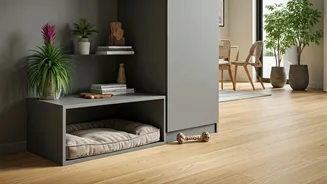
and industrial aesthetics, these spaces were clean, impressive, and photogenic. However, they often lacked a crucial element: soul. This aesthetic prioritised form over feeling, creating spaces that felt more like galleries than homes. The pushback isn't against minimalism itself, but against its colder, more rigid interpretation. We're moving away from spaces that feel staged and sterile, towards environments that are livable, breathable, and forgiving.
The Rise of the 'Home-Cocoon'
The single biggest catalyst for this shift was the pandemic. As we spent unprecedented amounts of time indoors, our homes had to become our everything: office, school, gym, and sanctuary. This intense relationship with our living spaces highlighted the need for comfort and psychological safety. We began craving interiors that could soothe and nurture us. The 'home-cocoon' concept was born out of a collective desire to make our personal environments feel like safe, warm nests. This psychological need translated directly into design choices that prioritise softness, tactility, and a sense of enclosure—not to feel trapped, but to feel protected and at ease.
A Palette Inspired by the Earth
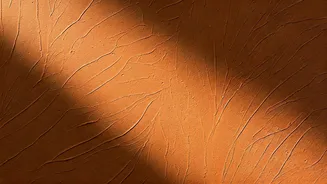
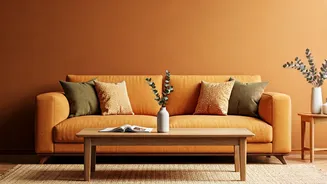
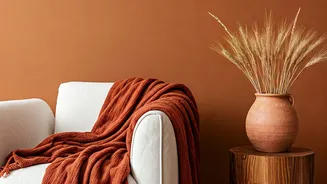
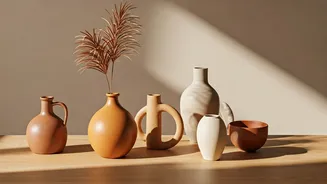
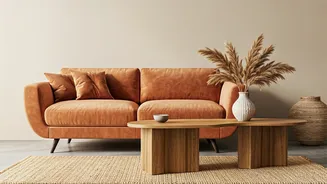
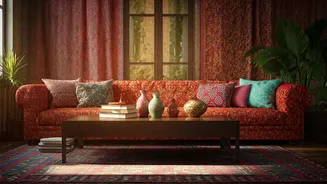
The new colour scheme is pulled directly from nature. The cool greys and stark whites are being replaced by a rich, earthy palette. Think of the warm, sun-baked colour of terracotta pots, the calming neutrality of sand and beige, the deep richness of rust and clay, and the gentle green of olive groves. These colours are inherently grounding. They connect our indoor spaces to the world outside, creating a seamless, organic flow. This palette is also incredibly versatile, serving as a warm backdrop for both traditional Indian crafts and contemporary furniture. It’s a move towards colours that feel timeless and rooted, rather than trendy and fleeting.
The Gentle Power of the Curve
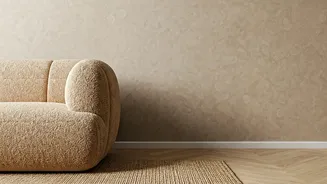
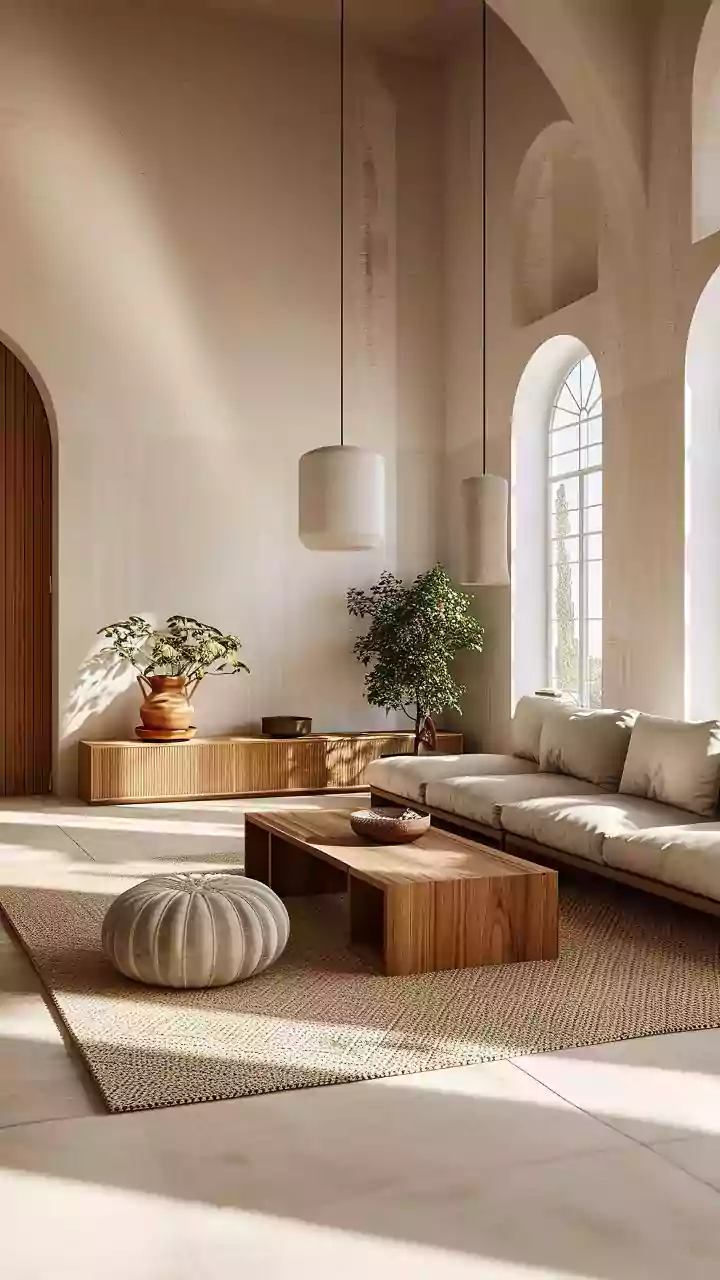
Perhaps the most visible sign of this trend is the shift in silhouettes. Straight, rigid lines are giving way to soft, organic curves. We're seeing this everywhere: in sofas with rounded backs, in arched doorways and wall niches, in circular coffee tables and kidney-shaped desks. Furniture upholstered in textured fabrics like bouclé, with its nubby, looped yarn, has become the hero piece of this new aesthetic. Curves are subconsciously perceived as being softer, safer, and more welcoming than sharp angles. They encourage flow and conversation, breaking up the boxy rigidity of typical rooms and creating a more fluid, gentle atmosphere.
Material World: Tactile and Natural
This warmer aesthetic is not just about what you see, but also what you touch. Texture is paramount. Smooth, cold surfaces like polished marble and chrome are being complemented or replaced by materials that engage the senses. Think of the rough weave of a jute rug underfoot, the airy lightness of linen curtains, the warm grain of unpolished or lightly stained wood, and the intricate craftsmanship of rattan and cane furniture. These materials add depth, character, and a handmade quality to a space. They celebrate imperfection and authenticity, reflecting a growing appreciation for craftsmanship and natural, sustainable materials that tell a story.