








Moving Beyond a Single Number
The daily AQI reading is a vital warning sign, but it’s not the whole story. For many, the conversation about air quality begins and ends with this single, colour-coded number. It signals danger but often fails to provide the context needed for meaningful
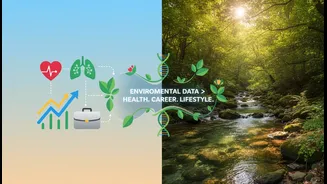
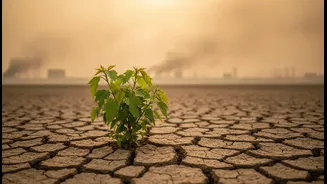
action. Current warnings are often seen as benign, ranging from “minor breathing discomfort” for moderate pollution to impacts on those with existing diseases when it's severe. This simplistic approach creates awareness but not true literacy. Young readers and students are left with a sense of ambient dread rather than empowerment. They need to understand the specific pollutants, their sources, and their nuanced health impacts beyond generic alerts. True guidance means moving from alarming numbers to explaining the complex systems behind them.
The Gap in Our Education System
Air pollution is a reality that directly impacts student health and learning. School closures during severe pollution events are becoming more common, but this reactive measure does little to address the core educational deficit. Even when schools remain open, studies show that short-term exposure to pollution can reduce children's cognitive skills. While some programmes aim to make STEM curricula more engaging with air quality sensors and citizen science projects, these are not yet the norm. Education on air quality is often confined to a single chapter in a textbook, disconnected from students' lived experiences. Better guidance involves integrating air quality monitoring and data analysis into the curriculum, transforming students from passive recipients of information into active investigators of their own environment.
The Storyteller’s Burden
Local journalists and climate storytellers face immense pressure to make this invisible crisis visible and compelling. However, they are often hamstrung by a lack of resources, specialised scientific training, and access to granular data. The challenge for climate journalists is immense; they must explain complex phenomena while competing for attention in a fast-paced media landscape that favours simplistic narratives. This can lead to repetitive reporting focused on headline-grabbing pollution events rather than systemic issues or potential solutions. Empowering these storytellers requires more than just press releases; it demands dedicated training, peer-to-peer mentorship, and tools that help translate complex scientific data into relatable, human-centric stories. Without this support, the stories that drive public opinion and policy change remain untold.
What Better Guidance Looks Like
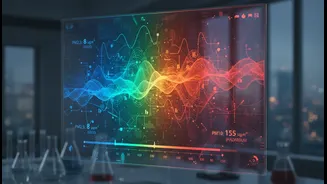
So, what does better guidance entail? First, it means democratising data. This involves creating public-facing platforms and tools that go beyond the national AQI, offering localised, source-specific information. Initiatives are underway to develop city-specific health indices that better communicate risks, such as the potential rise in excess mortality on severely polluted days. Second, it requires a pedagogical shift. Educational resources like comics, interactive workshops, and e-primers are being developed to make air pollution science accessible and engaging for students. Finally, it means empowering storytellers. Collaborations between media houses, research institutions, and civil society are crucial to create a common vocabulary and support regional-language journalism on climate and air issues. These efforts focus on building credibility and connecting global crises with local realities.