



A New Chapter for Old Weaves
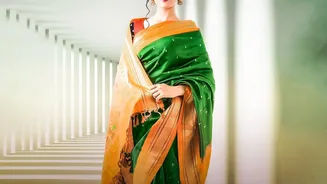
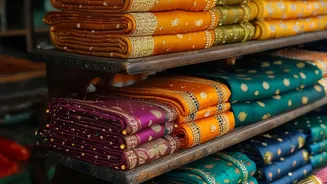
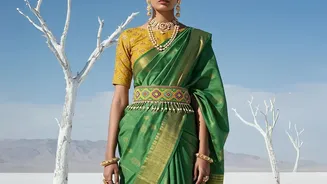
The story of Indian handloom is no longer confined to traditional sarees and shawls stored for special occasions. A new generation of designers is breathing fresh life into ancient fabrics, reimagining them for the contemporary wardrobe. Think Banarasi
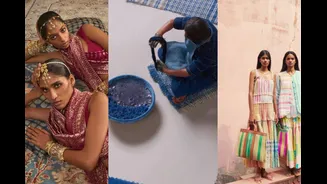
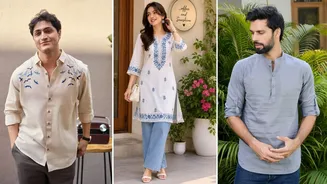
brocades tailored into sharp jackets, featherlight Chanderi silk crafted into oversized shirts, and vibrant Ikat weaves appearing in playful co-ord sets. This movement isn't about replacing tradition but reinterpreting it, proving that heritage textiles can be both timeless and fashion-forward. The focus is on making handloom desirable and wearable for a global audience, moving it from heirloom chests to high-street fashion narratives.
The Designers Driving the Change
Labels like Raw Mango, Ekaya Banaras, and SWGT are at the forefront of this revival, championing a 'textile-first' approach. They collaborate directly with weaving communities to develop unique fabrics that form the foundation of their collections. Ekaya Banaras, for instance, has been instrumental in making Banarasi weaves relevant for a younger generation that wants to wear handloom beyond weddings. Similarly, designers like Sabyasachi Mukherjee and Anita Dongre have consistently incorporated traditional textiles and embroidery into their contemporary and bridal collections, giving them a global stage. This fusion of design sensibilities with artisanal skill transforms fabrics like khadi, jamdani, and patola into modern statement pieces.
More Than Just a Trend
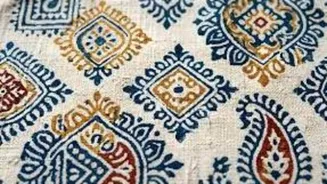
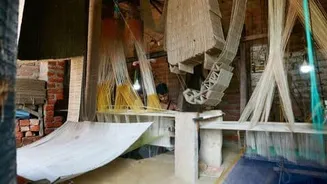
This revival is deeply connected to the global shift towards sustainable and conscious consumerism. Handloom production, powered by human energy, has a minimal carbon footprint compared to industrial power looms. Many artisans use natural fibres and organic dyes, making handwoven fabrics an eco-friendly choice in an era dominated by fast fashion. For a growing number of consumers, choosing handloom is a deliberate choice. It represents a vote for quality over quantity, authenticity over mass production, and a connection to the human story woven into every thread.
Empowering the Hands that Weave
At the heart of this movement are the millions of artisans who are the custodians of India's textile heritage. The handloom sector is a crucial source of rural livelihood, employing over 3.5 million workers, the majority of whom are women. By creating new markets and demand for these textiles, designers are helping to ensure these skills are not lost. Direct collaborations between designers and artisan clusters lead to better, fairer wages and provide a sense of pride and economic independence. This partnership ensures that as the fabrics find new forms, the artisans find a more secure future, preserving their craft for generations to come.
Challenges in the Weave
Despite the positive momentum, the path is not without its hurdles. The handloom sector faces stiff competition from cheaper, machine-made textiles. The slow, labour-intensive process means handwoven fabrics come at a higher cost, which can be a barrier for some consumers. Furthermore, there is a looming threat of a shrinking workforce as younger generations may opt for more stable income streams outside of weaving due to historically low wages. Successfully positioning handloom as a premium, artisanal product, rather than competing on price with power looms, remains a key challenge.