



The Science of Sensation
At its core, the difference between flavour and texture is a matter of science. Flavour is a chemical experience, a combination of taste—what your tongue's receptors for sweet, salty, sour, bitter, and umami detect—and aroma, which accounts for the vast
majority of what we perceive as flavour. This is why food seems bland when you have a cold; your sense of smell is compromised. Texture, on the other hand, is a physical experience. It's about structure and mouthfeel—how a food responds to the force of being chewed. Is it crispy, creamy, chewy, or crunchy? This sensation of touch inside your mouth often forms your first judgment on a food's quality, even before the flavour fully registers.
Diagnosing the Real Problem
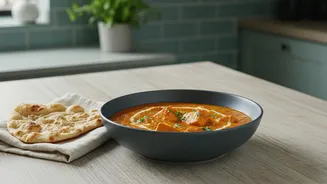
Great cooking starts with great diagnostics. When a dish falls flat, don't just reach for the salt. First, ask yourself: is this a flavour problem or a texture problem? Flavour issues are often about balance. Is the dish too one-note? It might need a splash of acid like lemon juice or vinegar to brighten it up. Is it bland? It might need more salt to amplify its existing tastes, or perhaps an umami-rich ingredient like soy sauce or mushrooms. Texture problems are entirely different. A mushy curry or a tough piece of chicken won't be fixed with a squeeze of lime. You need to identify the physical issue. Is the food soggy when it should be crisp? Grainy when it should be smooth? Dry when it should be juicy? Naming the specific textural failure is the first step toward fixing it.
Your Texture Troubleshooting Toolkit
Once you've identified the textural problem, you can apply the correct technique. Unlike flavour fixes, which are often additions, texture fixes are usually about method. - For Mushy or Soggy Food: This is typically caused by too much moisture or overcooking. The fix is often to increase heat for better browning, reduce the amount of liquid, or give the ingredient space in the pan to prevent steaming. For roasted vegetables, high heat and a single layer are key. - For Tough Meat: Toughness, especially in stews or braises, usually means the connective tissue hasn't had enough time to break down. The solution isn't more salt; it's more time cooked at a low, gentle temperature. For a steak, toughness can mean it was cooked for too long at high heat. - For Grainy or Broken Sauces: A grainy texture in a creamy sauce or dressing often signals a broken emulsion or curdling. This is a temperature and technique issue. The fix might be to gently reheat while whisking constantly, or in some cases, to blend the sauce to recombine the fats and liquids. - For Dry Baked Goods: Dryness in cakes or bread is a moisture issue. The problem likely lies in the ingredient ratios, over-baking, or not enough fat. The fix is in adjusting the recipe or technique for next time, not in adding a flavoured syrup after the fact (though that can sometimes be a rescue mission!).
When Flavour and Texture Work Together
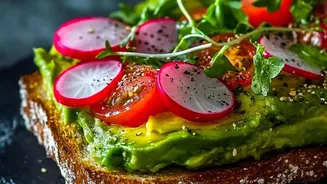
The most memorable dishes are those where flavour and texture are both intentionally crafted and perfectly aligned. Think of a perfect crème brûlée: the flavour is a delicate, creamy vanilla custard, but the experience is defined by the textural contrast of a hard, crackling caramelised sugar topping. A great salad isn't just about the taste of the dressing; it's about the crispness of the lettuce, the crunch of croutons, and the creaminess of avocado. This interplay is crucial. Studies show that a smooth texture can make a food seem richer, while a chewy texture can make a sweet treat feel more indulgent. The texture of a food influences how flavour compounds are released and perceived in your mouth, making the two inseparable in the final experience.