



The Core of the Fast
Across many parts of India, Navratri is a time for fasting, or 'vrat'. This is not about complete abstinence but a dietary shift towards 'sattvic' foods, which are considered pure and calming. The rules are specific: grains like wheat and rice are avoided,
as are lentils, onions, and garlic. Instead, the pantry is stocked with alternatives like buckwheat flour (kuttu), water chestnut flour (singhara), amaranth (rajgira), and barnyard millet (sama ke chawal). Rock salt, or 'sendha namak', replaces common table salt. Dairy products, fruits, and certain vegetables like potatoes and pumpkin form the base of many meals, providing energy for the nine days of devotion.
Northern India: A Platter of Piety
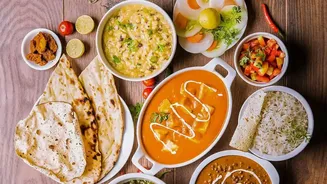
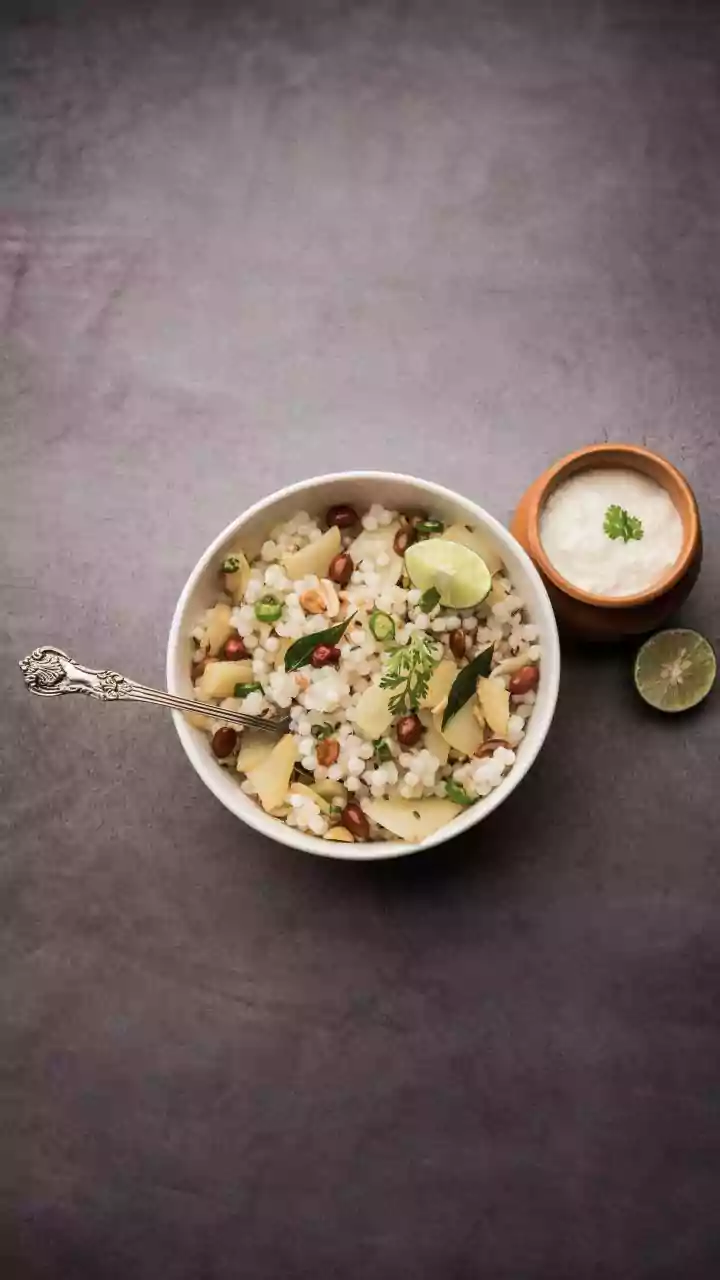
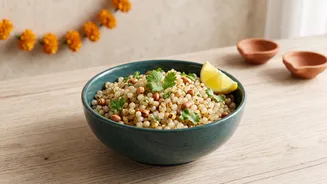
In North India, the 'vrat ka khana' (fasting food) is a distinct cuisine in itself. The star of the show is often Sabudana Khichdi, made from tapioca pearls tossed with potatoes and roasted peanuts. Another staple is the puri, made not from wheat but from kuttu or singhara flour, typically served with a simple, tangy potato curry cooked without onion or garlic. To satisfy sweet cravings, there are desserts like Sabudana Kheer (tapioca pudding) or Makhana Kheer, made with puffed lotus seeds. On the eighth or ninth day (Ashtami or Navami), the fast is often broken with a special meal of poori, sooji halwa, and dry black chickpeas (sookha kala chana), which is first offered to young girls in a ritual called Kanjak Puja.
Western India: A Symphony of Sweet and Savoury
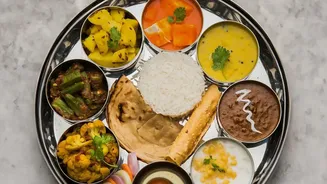
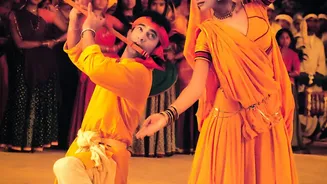
In Gujarat and Maharashtra, Navratri is synonymous with vibrant music, dance, and of course, food. While many observe the fast, the evenings are for feasting. Gujarat, in particular, offers a dazzling array of snacks or 'farsan'. Dishes like Sabudana Vada (deep-fried tapioca patties) and Farali Pattice (potato patties with a sweet coconut and nut filling) are popular. Special fasting thalis include dishes made from amaranth or barnyard millet. Sweets are integral, with treats like Gol Papdi or Sukhdi, a simple but delicious sweet made from wheat flour and jaggery, being a common preparation. In Maharashtra, the fasting thali is also popular, featuring items like sabudana khichdi and puris made from special fasting flours.
Eastern India: The Grandeur of Durga Puja Bhog
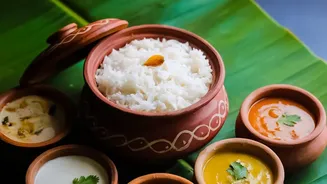
In West Bengal and other eastern states, Navratri is celebrated as Durga Puja, and the focus shifts from fasting to feasting. The highlight is the 'bhog' – a community meal offered to the Goddess and then distributed as prasad. This elaborate vegetarian meal is cooked without onion or garlic. The centrepiece is Bhoger Khichuri, a fragrant blend of Gobindobhog rice and roasted moong dal. This is accompanied by a medley of dishes like Labra (a mixed vegetable curry), Beguni (batter-fried eggplant slices), and a sweet and tangy tomato and date chutney. The meal is usually concluded with Payesh (rice pudding) or other traditional Bengali sweets like Sandesh and Rosogolla.
Southern India: The Tradition of Golu and Sundal
In the southern states of Tamil Nadu, Karnataka, and Andhra Pradesh, Navratri is celebrated with the enchanting tradition of 'Golu' – an artistic display of dolls. Here, the culinary star is 'Sundal', a simple and nutritious snack made from different legumes or lentils. A different variety of sundal is prepared each of the nine days as an offering (neivedhyam) and then distributed to guests who visit to see the Golu. Common varieties include chickpea sundal, black-eyed pea sundal, and peanut sundal. These are lightly tempered with mustard seeds, curry leaves, and garnished with fresh coconut, making for a healthy and flavourful festive treat. Alongside sundal, various sweet dishes and rice preparations are also made.