


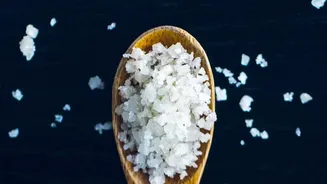
The Heart of the Matter: India's Sodium Problem
High blood pressure, or hypertension, is a silent epidemic in India, with some estimates suggesting more than one in four adults are affected. A major culprit is dietary sodium. Indians consume, on average, between 8 to 11 grams of salt daily, which is nearly
double the World Health Organization's recommended limit of 5 grams. This high intake is a key driver of hypertension, which in turn significantly increases the risk of cardiovascular diseases like heart attacks and strokes. In fact, these diseases are among the leading causes of death in the country. The proposal to reformulate salt is a direct response to this public health crisis, aiming to tackle the problem at its most common source.
What Exactly Is This New Salt Proposal?
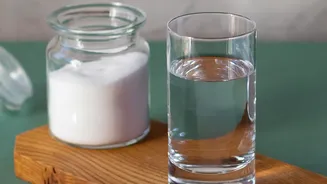
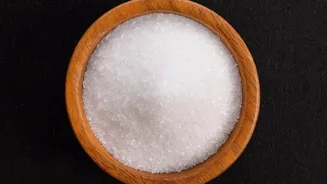
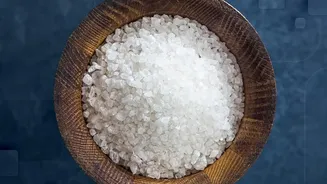
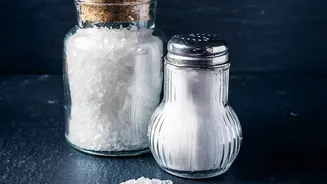
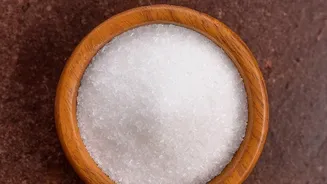
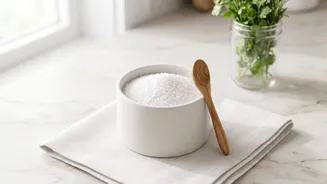
The core of the proposal is to introduce and promote 'low-sodium salt substitutes' (LSSS). This isn't a completely new type of salt, but rather a reformulated version of the regular salt we use every day. The idea is to replace a portion of the sodium chloride (NaCl), the chemical compound we know as salt, with potassium chloride (KCl). A consensus statement from leading experts suggests a composition of approximately 70-75% sodium chloride and 25-30% potassium chloride. This change would reduce the overall sodium content while simultaneously increasing potassium, another vital mineral. Since about 80% of the salt Indians consume is added during home cooking, a change to the salt in our kitchens could have a massive nationwide impact.
The Two-Fold Health Benefit
The primary advantage of this switch is its dual action on blood pressure. Firstly, it directly reduces the intake of sodium, a well-established cause of high blood pressure. Secondly, it increases the intake of potassium, a mineral that many Indians don't get enough of. Potassium has a beneficial effect on the body; it helps to counteract the negative effects of sodium and can independently help lower blood pressure. Large-scale international studies have shown that using such substitutes can lead to significant reductions in strokes, major cardiovascular events, and even overall mortality. One expert from AIIMS has even referred to it as a potential 'dietary vaccine' against hypertension, as it offers protection without requiring people to sacrifice the taste of their food.
Are There Any Risks or Concerns?
While this approach is considered safe for the vast majority of the population, it's not a one-size-fits-all solution. The main concern revolves around the increased potassium. For healthy individuals, this is beneficial. However, for people with conditions that impair the body's ability to excrete potassium, such as chronic kidney disease, it could lead to dangerously high potassium levels in the blood, a condition called hyperkalemia. People taking certain medications for blood pressure or heart conditions may also need to be cautious. Experts stress that any widespread rollout would need to be accompanied by clear labelling and public awareness campaigns advising those with specific health conditions to consult their doctors before making the switch.
What Happens Next?
The proposal is backed by a strong consensus from leading medical and public health organisations, including The George Institute for Global Health India and Resolve to Save Lives, with support from experts at AIIMS and formerly of ICMR. The next step involves translating this expert recommendation into policy. This would require the Food Safety and Standards Authority of India (FSSAI) to update its standards to allow for the widespread use of potassium-enriched salt. The recommendations also call for including LSSS in national hypertension guidelines and prioritising its use in government nutrition programs and institutional kitchens. While FSSAI has previously released draft notifications related to low-sodium food standards and labelling, this concerted push from the medical community aims to accelerate the adoption of LSSS as a national public health strategy.