







One Festival, Two Ancient Calendars
Janmashtami commemorates the birth of Lord Krishna, the eighth avatar of Vishnu, who is believed to have been born at midnight on the eighth day of the dark fortnight in the month of Bhadrapada. This celestial timing is key. The confusion over dates isn't
a mistake; it stems from two different, yet equally valid, schools of thought within Hinduism for calculating the most auspicious moment for the celebration: the Smarta and the Vaishnava traditions. This difference in calculation occurs in most years, highlighting the rich diversity of practices within the faith.
The Smarta Tradition: A Focus on the Midnight Hour
For followers of the Smarta Sampradaya, the primary condition is the prevalence of the Ashtami Tithi (the eighth lunar day) during Nishita Kaal, the midnight period. Scriptures describe Krishna's birth as taking place in a prison cell in the dead of night. The Smarta tradition, therefore, prioritises celebrating on the day when the eighth lunar day is active at the precise moment of his birth. In 2026, the Ashtami Tithi begins in the early hours of September 4 and is present during the midnight window between September 4 and 5. This is why many households and communities are observing the fast and puja on Friday, September 4.
The Vaishnava Tradition: The Importance of Rohini Nakshatra
The Vaishnava tradition, including prominent institutions like ISKCON, follows a more complex set of rules. For them, it is not enough for the Ashtami Tithi to be present at midnight. They also give significant weight to the presence of Rohini Nakshatra, the star constellation under which Lord Krishna is believed to have been born. Some Vaishnava schools require the Ashtami Tithi to be prevalent at sunrise on the day of the festival. In 2026, the combination of these factors points to Saturday, September 5, as the day of observance for many Vaishnavas. This is particularly true for traditions followed in key pilgrimage sites like Mathura and Vrindavan.
A Celestial Alignment of Tithi and Nakshatra
The two key astronomical elements are the Ashtami Tithi and the Rohini Nakshatra. The Ashtami Tithi represents the eighth day of the lunar cycle, a time spiritually associated with transformation and inner awakening. The Rohini Nakshatra, governed by the Moon, is linked to nourishment, growth, and beauty. The birth of Krishna at the conjunction of this powerful tithi and auspicious nakshatra is deeply symbolic, representing the arrival of divine grace and wisdom amid challenging circumstances. The differing festival dates simply come down to which of these celestial markers a particular tradition prioritises when they don't perfectly align from sunrise to midnight on a single day.
Unity in Devotion
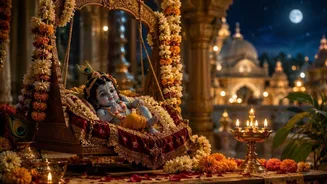
Regardless of whether the fast is observed on September 4 or September 5, the essence of the celebration remains the same. Devotees undertake a fast, often abstaining from grains, and spend the day singing bhajans, decorating temples, and preparing offerings for the deity. The highlight for all is the midnight puja, where idols of infant Krishna are bathed in milk and honey (abhishek), dressed in new clothes, placed in a cradle (jhula), and worshipped with fervent aarti to mark the divine birth. The Dahi Handi festivities, especially popular in Maharashtra, typically follow on the day after the main Janmashtami fast.