


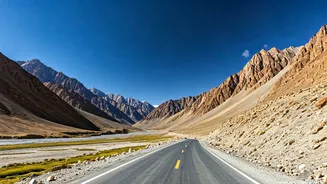




From Concrete Jungles to Apple Orchards
The familiar rush to popular hill stations like Shimla and Manali is giving way to a quieter, more intentional form of travel. A growing number of urban dwellers, armed with flexible work schedules and a craving for open spaces, are looking beyond conventional
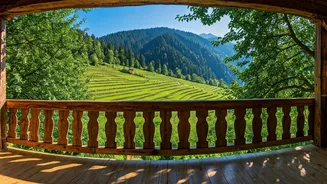
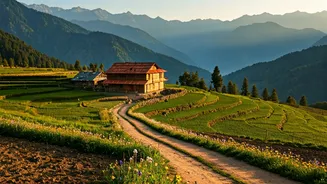
hotels. They're searching for farm stays nestled in the lesser-known valleys of Himachal Pradesh. This shift reflects a larger post-pandemic travel mindset: a desire to escape crowds, reconnect with nature, and experience something real. Instead of a room with a view of the main market road, travellers now want a room with a view of an apple orchard, complete with the sounds of a babbling brook and the scent of pine in the air.
What Is a Farm Stay, Really?
A farm stay, or agritourism, is far more than just a rural bed and breakfast. It’s an immersive experience. Guests typically stay in a homestay or a small cottage on a working farm, often run by a local family. The appeal lies in its authenticity. Your alarm clock might be a rooster, and your breakfast is likely made from ingredients grown just a few feet away. Many hosts encourage guests to participate in daily farm life, whether it’s milking a cow, learning to plough a field, picking vegetables for dinner, or helping with the fruit harvest. It’s a hands-on opportunity to understand where your food comes from and appreciate the rhythms of rural life, a world away from deadlines and traffic jams.
The Rise of the 'Workation'
This trend has been significantly fuelled by the normalisation of remote work. The 'workation'—a portmanteau of work and vacation—has become a viable option for many professionals. Himachali farm stays have adapted quickly, offering the best of both worlds: reliable Wi-Fi connections amidst serene, inspiring landscapes. Imagine finishing a Zoom call and immediately stepping out for a walk through terraced fields or along a forest trail. This blend of productivity and rejuvenation is a powerful draw. It allows for a longer, more sustainable break from the city, transforming the idea of a weekend getaway into a month-long immersion in a different way of life.
Beyond Shimla and Manali
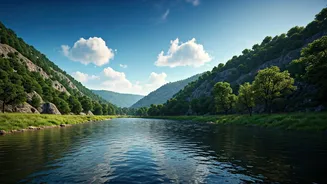
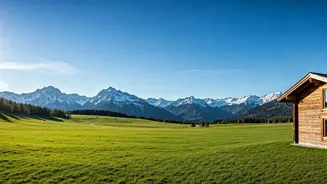
The beauty of this trend is that it shines a spotlight on Himachal's hidden gems. While the main tourist circuits remain popular, farm stays are flourishing in quieter, more remote regions. The Tirthan Valley, a UNESCO World Heritage Site, is a prime example, with its riverside homestays and trout fishing opportunities. Similarly, the Kangra Valley, with its lush tea gardens and views of the Dhauladhar range, offers incredible farm experiences. Other areas like Barot, Chopal, and parts of Kinnaur and Lahaul-Spiti are also seeing a rise in agritourism, encouraging a more distributed and sustainable model of travel that benefits a wider range of local communities.
Planning Your Green Getaway
Finding the perfect farm stay is easier than ever, with many listed on independent travel websites and social media pages dedicated to responsible tourism. When planning, it’s important to manage expectations. Amenities are often simple and comfortable, not luxurious. The focus is on clean living and connection, not infinity pools and room service. Pack practical clothing, sturdy shoes, and an open mind. The best time to visit depends on the experience you seek: spring (March-April) for blooming flowers, summer (May-June) for pleasant weather, and autumn (September-October) for the apple harvest. Always communicate with your host beforehand about connectivity, meals, and any activities you’re interested in.