





The Monsoon of Renewal
Karkidakam, the final month in the Malayalam calendar which typically falls between mid-July and mid-August, is a period of contrasts. Historically known as the 'panja masam' or month of scarcity due to incessant rains that halted agricultural work, it's
also revered in Ayurveda as a crucial time for rejuvenation. According to Ayurvedic principles, the monsoon weakens the digestive system and makes the body more susceptible to illness, but it also makes it highly receptive to healing therapies. This belief transforms the rainy season from a period of difficulty into an opportunity for deep cleansing and renewal, setting the stage for specific dietary practices designed to bolster the body's defences.
Decoding Karkidaka Kanji
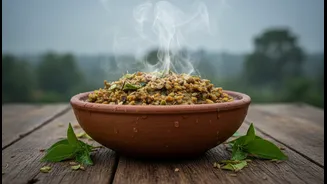
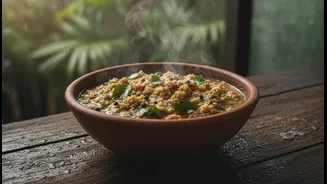
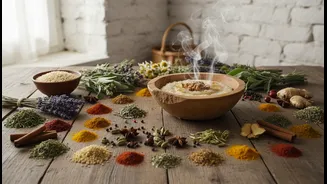
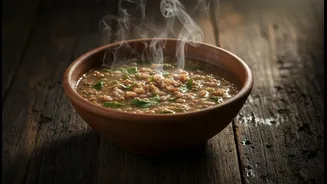
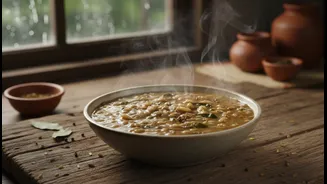
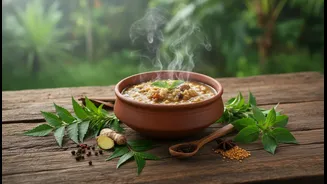
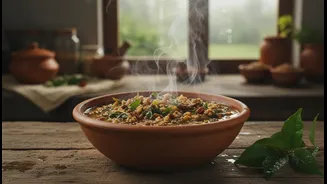
At the heart of this seasonal wellness regimen is the Karkidaka Kanji, also known as Oushadha Kanji (medicinal porridge). This is not your average rice gruel. It's a carefully formulated dish made with Njavara rice, a variety prized in Ayurveda for being light and nourishing. This rice is cooked with coconut milk, fenugreek, cumin, and a powerful blend of anywhere from a dozen to over twenty specific herbs known collectively as 'Karkidaka marunnu'. Consumed daily for a week or more, this porridge is designed to boost immunity, improve digestion, remove toxins, and provide energy, acting as a holistic tonic to combat the sluggishness and health challenges of the monsoon.
A Nation of Monsoon Gruels
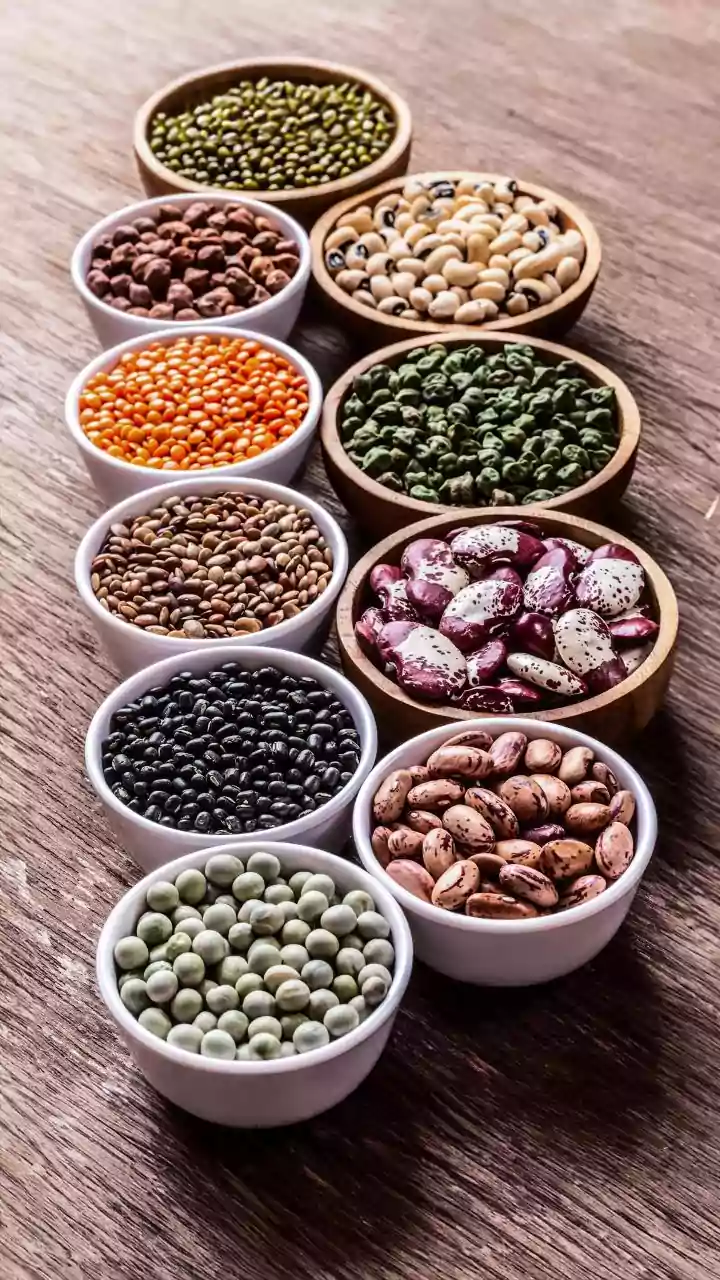
Kerala's tradition is a powerful example of a practice seen across India, where the monsoon prompts a shift towards specific, nourishing foods. While the ingredients change, the underlying principle remains the same. In Bengal, the rainy season is synonymous with Khichuri, a comforting one-pot meal of rice and lentils that is both easy to digest and deeply satisfying. In many parts of North and West India, a simple dal khichdi becomes a household staple, often turned to during illness but equally valued as a light meal during the damp weather. From the hearty Dal Baati Churma in Rajasthan to Tamil Nadu's peppery rasam, regional cuisines have all developed their own answers to the question of what best nourishes the body when the skies open up.
The Wisdom in Our Pantries
These monsoon rituals are about much more than just food; they represent a sophisticated system of 'pantry wisdom' passed down through generations. This knowledge, deeply integrated with principles of Ayurveda and local ecology, treated food as preventative medicine. Our ancestors understood that seasonal changes required dietary adjustments. The herbs in Karkidaka Kanji weren't chosen randomly; they were selected for their specific properties to counteract the 'vata' imbalance that Ayurveda says is aggravated during monsoon. Today, as ready-made Kanji kits become popular, there's a renewed interest in this ancestral knowledge. It raises a fascinating question: could the solutions to many modern wellness concerns be found not in new fads, but in the time-tested wisdom already sitting in our own traditional kitchens?