



Ghevar: The Rajasthani Monsoon Star
This disc-shaped, honeycomb-like dessert is the undisputed star of the monsoon in Rajasthan and across Northern India. Ghevar's appearance in sweet shops is a delicious announcement that the season of Sawan, with its festivals like Teej and Raksha Bandhan,
has arrived. There's a science to its seasonal popularity; the humid monsoon air provides the ideal temperature and moisture for the batter of flour and ghee to achieve its perfectly crisp-yet-soft texture. In drier months, the batter wouldn't form the intricate, porous web that soaks up the sweet syrup. Ayurveda also suggests that ingredients like ghee help calm the Vata and Pitta doshas, which are believed to be aggravated during the rainy season, causing dryness and acidity. Beyond the science, it is a cultural symbol, often sent as a gift from parents to a married daughter's home to share blessings and goodwill.
Malpua: India’s Answer to a Comforting Pancake
Long before pancakes became a global breakfast staple, India had the malpua. These small, deep-fried pancakes are a portrait of indulgence, especially when served warm on a rainy day. Made from a batter of flour, milk, and sometimes semolina or banana, they are fried in ghee until the edges are crisp and the centre is fluffy. The malpuas are then dunked in a fragrant sugar syrup, often laced with cardamom or fennel, and sometimes served with a dollop of creamy rabri. Popular across states like Bihar, Odisha, and Uttar Pradesh, this sweet is a festive favourite that finds a special place during the monsoon, offering a warm, syrupy hug in every bite.
Patoleo: A Fragrant Secret from the Konkan Coast
A lesser-known but deeply cherished monsoon tradition comes from Goa and the Konkan coast: the Patoleo. This unique sweet is a testament to seasonal cooking, as it relies on fresh turmeric leaves which grow in abundance during the rains. A paste of ground rice is smeared onto the aromatic leaves, which are then filled with a sweet mixture of freshly grated coconut and palm jaggery. The leaves are folded into parcels and steamed, infusing the rice cake with their delicate, earthy fragrance. Eaten warm, often with a cup of tea, Patoleo is prepared by both Hindu and Christian communities for monsoon festivals like Nag Panchami and the Feast of the Assumption, making it a true symbol of the season's bounty.
Moong Dal Halwa: The Ultimate Warm Indulgence
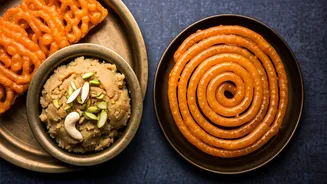
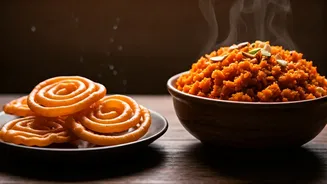
Though often associated with North Indian winters, Moong Dal Halwa is a beloved comfort food whose warming properties are equally welcome during a cool, damp monsoon evening. This rich, decadent sweet is a labour of love, involving slow-roasting ground moong dal (yellow lentils) in a generous amount of ghee until it turns fragrant and golden brown. The mixture is then simmered with milk and sugar until it achieves a grainy-yet-smooth, melt-in-the-mouth consistency. Rich in protein and believed to be a source of warmth and energy, this halwa is considered easy to digest in small portions, making it a nourishing treat. It's the kind of dessert that feels both indulgent and deeply satisfying.
Jalebi: The Ever-Popular Crispy Swirl
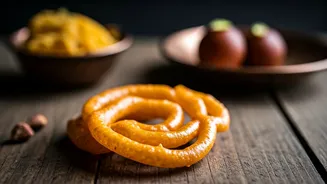
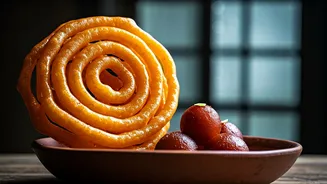
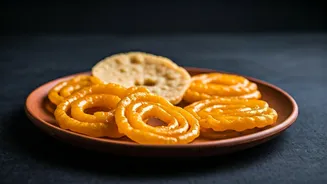
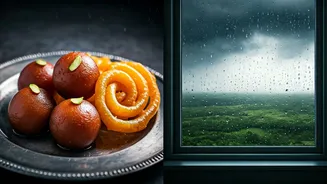
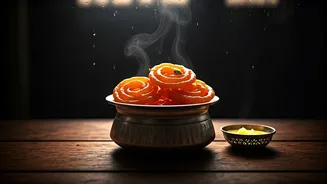
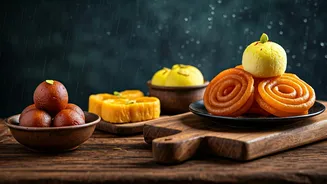
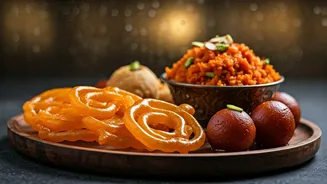
Is there a sight more welcoming on a gloomy day than hot, crispy jalebis being fresh-fried? These bright orange spirals, made from a fermented flour batter, are deep-fried and then immediately soaked in sugar syrup. The result is a delightful textural contrast: a crunchy exterior giving way to a chewy, syrup-filled centre. While enjoyed year-round, the combination of a warm, freshly made jalebi and the cool monsoon air is a classic pairing loved across the country. Often served with a side of rabri or even a warm glass of milk, jalebi is more than just a sweet; it’s a cultural icon of celebration and simple joys.