


Challenging the Safari Calendar
For decades, the Indian safari calendar was predictable: parks would open in October and close around June. The monsoon months of July, August, and September were considered off-limits. The rationale was sound: heavy rains made forest tracks impassable
and, more importantly, it is a critical breeding season for many species, including tigers. While the core areas of most major national parks still adhere to this shutdown to protect critical habitats, a significant shift has occurred. Park authorities have kept the buffer zones—the areas surrounding the core forest—open for tourism. This has unlocked a new opportunity for wildlife enthusiasts to experience the jungle when it is arguably at its most beautiful.
A Photographer's Paradise
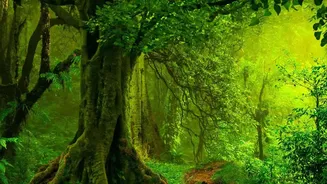
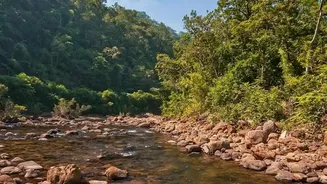
Forget the dry, dusty landscapes of the summer. A monsoon safari is an exercise in sensory overload. The forest transforms into a canvas of a thousand shades of green, with rain-washed trees glistening and the air thick with the smell of wet earth. The sky puts on a dramatic show, with dark, moody clouds creating a stunning contrast against the vibrant foliage. For photographers and nature lovers, this is a dream come true. The dust settles, leaving the air crisp and clear, and the entire ecosystem seems to burst with life. It’s a far more atmospheric and immersive experience than a typical winter or summer safari, offering a chance to see the wilderness in its most rejuvenated state.
New Behaviours, New Sightings
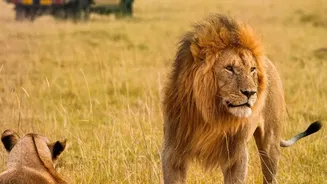
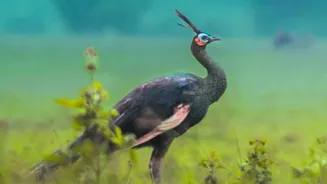
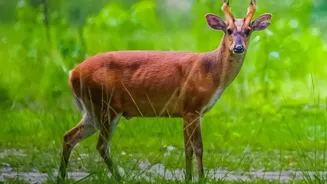
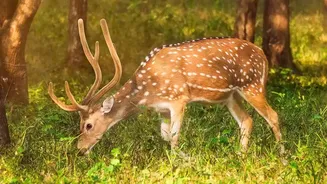
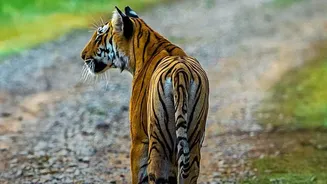
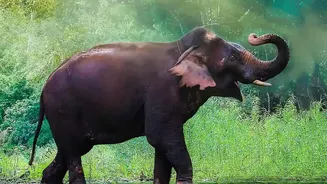
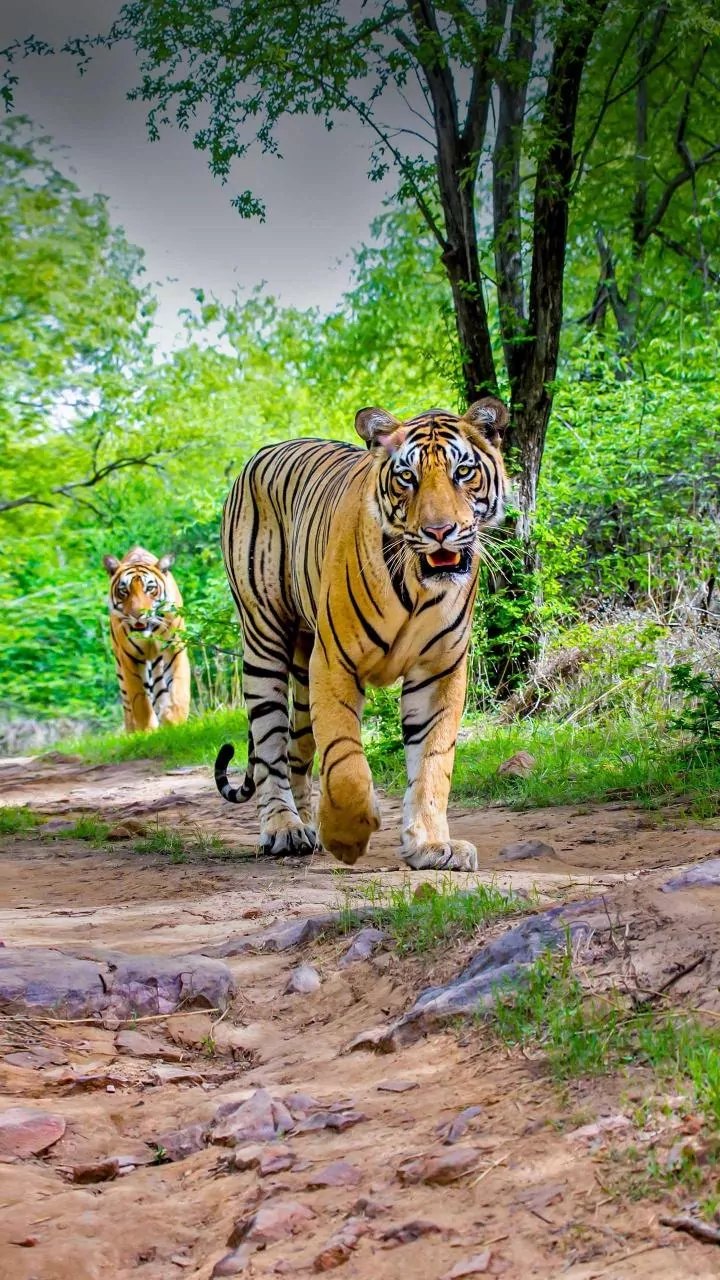
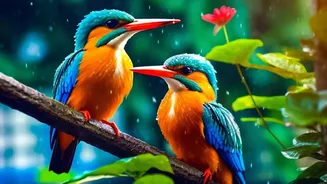
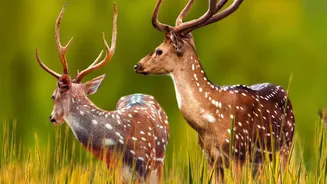
The change in season brings a change in animal behaviour. While the dense vegetation can sometimes make spotting tigers a little more challenging than in the sparse summer jungle, the rewards are unique. The overflowing lakes and water bodies in parks like Kabini become magnets for large herds of elephants, who are often seen playing in the water. Birdlife is exceptionally active during this period. Moreover, the biggest advantage is the profound lack of crowds. The usual convoys of jeeps are replaced by a more serene and personal experience, allowing you to connect with the jungle without constant disturbance. This solitude makes every sighting, whether of a tiger or a dancing peacock, feel more special.
Top Parks for an August Safari
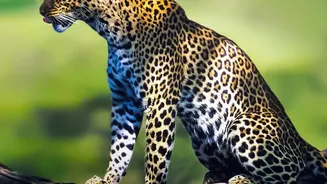
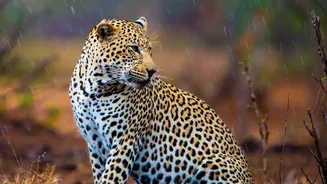
So, where should you head for a monsoon adventure? Several of India's premier tiger reserves keep their buffer zones open, offering excellent safari experiences. In Rajasthan, Ranthambore National Park opens zones 6 through 10, where the green-draped Aravalli hills provide a spectacular backdrop for tiger and leopard sightings. In Maharashtra, Tadoba-Andhari Tiger Reserve, known for its high tiger density, keeps its buffer gates open and remains a top destination for spotting the big cat year-round. Down south, Karnataka’s Nagarhole and Bandipur parks, particularly the area around the Kabini reservoir, are open throughout the year, weather permitting. Kabini is world-famous for its monsoon elephant gatherings and frequent leopard sightings along the backwaters. In the north, the buffer zones of the legendary Jim Corbett National Park, such as Jhirna and Dhela, also remain accessible for safaris.
Know Before You Go
A monsoon safari requires a bit more planning than a dry-season trip. First, book your safaris and accommodation well in advance, as only a limited number of vehicles are permitted in the buffer zones. Pack smart: a good rain poncho is more practical than an umbrella in an open jeep. Ensure your electronics, especially cameras, are protected in waterproof bags. While most safari routes are maintained, it's wise to check road conditions before you travel, as heavy downpours can sometimes cause temporary closures or delays. Finally, be prepared for the tiny inhabitants of the forest. Leeches can be common in the wet undergrowth, so packing leech socks or a simple salt pouch is a good idea. An extra day in your itinerary can also be a useful buffer against any weather-related disruptions.