



More Than Just a Condiment
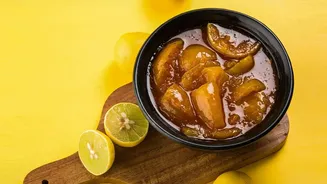
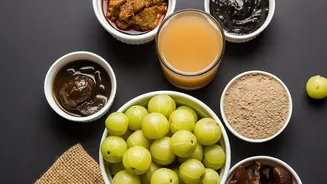
For generations, Indian pickles, or achar, have been a staple in kitchens across the country. They are a culinary inheritance, with recipes for mango, lemon, and mixed vegetable pickles passed down through families. Beyond their role as a flavour enhancer
for meals like dal-chawal or parathas, these pickles were born from the ancient science of preservation. Before refrigeration, fermentation was a key method to make seasonal produce last. Our ancestors knew this process did more than just prevent spoilage; it transformed the food into something fundamentally more beneficial for the body.
The Magic of Lacto-Fermentation
The secret to the health benefits of many traditional Indian pickles lies in a process called lacto-fermentation. Unlike modern, mass-produced pickles that are often preserved in vinegar, traditional methods use salt, spices, and sometimes sunlight. When vegetables or fruits are mixed with salt, they release water, creating a natural brine. This salty, oxygen-free environment is perfect for beneficial bacteria, particularly of the Lactobacillus genus, to thrive. These microbes consume the natural sugars in the vegetables and produce lactic acid. This acid not only gives the pickle its characteristic tangy flavour but also acts as a natural preservative, inhibiting the growth of harmful bacteria.
What Makes a 'Functional Food'?
The term 'functional food' refers to foods that offer health benefits beyond basic nutrition. Think of them as foods that 'work' for your health. A simple cucumber provides vitamins and fibre, but a fermented cucumber pickle offers those same nutrients plus a dose of beneficial live bacteria, or probiotics. These probiotics are the key element that elevates traditional pickles to the status of a functional food. They actively support bodily functions, especially within our digestive system, making them much more than just preserved vegetables. Research has confirmed that Lactobacillus strains isolated from traditionally fermented vegetables show significant probiotic potential, including the ability to survive the harsh acidic conditions of the stomach.
Your Gut's Hardworking Allies
The probiotics found in fermented pickles are powerful allies for your gut health. Often called the 'second brain', the gut microbiome influences everything from digestion to immunity and mood. The live cultures in foods like traditional achar help maintain a healthy balance of bacteria in your gut. A diverse and balanced microbiome aids in the breakdown of food, improves nutrient absorption, can reduce bloating, and strengthens your body's immune response. Studies have shown that regular consumption of fermented foods can increase the diversity of the gut microbiome, which is a key indicator of good digestive health.
Not All Pickles Are Created Equal
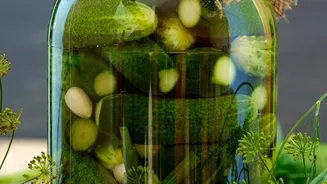
It is crucial to understand that not every pickle you find on a supermarket shelf is a probiotic powerhouse. Most commercially produced pickles use vinegar and are often pasteurized (heat-treated) to extend shelf life and ensure stability. This industrial processing kills off all the beneficial live bacteria, rendering them void of probiotic benefits. To get the gut-friendly benefits, you need to look for pickles that are 'naturally fermented' and made without vinegar. These are often homemade or sourced from producers who use traditional methods. When you open a jar of truly fermented pickles, you might even see some bubbles on the surface—a sign of the live cultures within.