





The Gut-Brain Superhighway
You've heard of having 'gut feelings' or feeling 'butterflies' in your stomach. These are not just colourful expressions; they are real-time examples of the gut-brain axis at work. This axis is a complex, two-way communication network connecting your central
nervous system (your brain and spinal cord) with your enteric nervous system, often called the 'second brain' in your gut. This superhighway consists of nerve pathways, like the vagus nerve, as well as hormonal and immune signals that constantly travel back and forth. This intricate system means that your emotional and cognitive centres can influence your gut, and, crucially, what happens in your gut can profoundly affect your mood, stress levels, and even higher cognitive functions like focus.
Your Microbiome: The Power Brokers of the Gut
Living within your gut are trillions of microorganisms, mostly bacteria, collectively known as the gut microbiome. These microbes are far from being passive passengers; they are active participants in your health. The balance of beneficial versus harmful bacteria can influence everything from your immune system to nutrient absorption. When it comes to the gut-brain axis, these microbes are key players. They interact with the signals being sent to the brain, and can even produce their own neuroactive compounds that influence brain function. A healthy, diverse microbiome is increasingly linked to better mental well-being, while an imbalance has been associated with issues like anxiety and depression.
Fermentable Fiber: The Ultimate Fuel for a Healthy Gut
So, how do you cultivate a healthy microbiome? You feed it properly. The preferred food for your beneficial gut bacteria is fermentable fiber. These are types of dietary fiber—often called prebiotics—that your body cannot digest. Instead, they travel intact to your colon, where they are fermented by your gut microbes. This fermentation process is vital. It provides energy for the bacteria, allowing them to thrive and multiply. As they feast on this fiber, they produce beneficial byproducts called short-chain fatty acids (SCFAs), such as butyrate, propionate, and acetate. These SCFAs are the real superstars when it comes to influencing the gut-brain axis.
From Fiber to Focus: How It All Connects
The magic happens when those short-chain fatty acids get to work. Butyrate, in particular, serves as the primary energy source for the cells lining your colon, helping to maintain a strong gut barrier. This prevents harmful substances from leaking into your bloodstream and causing inflammation that can affect the entire body, including the brain. Crucially, SCFAs can also travel through the bloodstream and cross the highly selective blood-brain barrier. Once in the brain, they have anti-inflammatory effects and can influence the production of neurotransmitters and other factors that support neural growth and development, which are essential for processes like learning and memory. By nourishing the bacteria that produce these compounds, you are essentially creating a cascade of positive effects that can lead to reduced brain fog and improved concentration.
Foods to Add to Your Plate
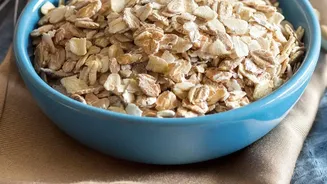
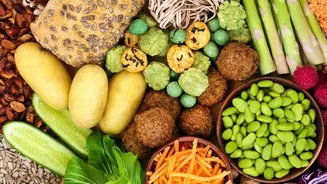
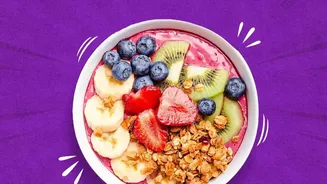
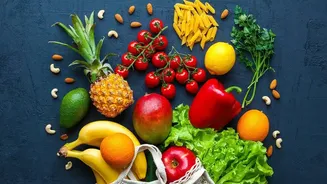
Increasing your intake of fermentable fiber is easier than it sounds and involves adding more whole plant foods to your diet. Focus on variety to nurture a diverse microbiome. Great sources include onions, garlic, and leeks, which contain fructans. Asparagus, Jerusalem artichokes, and slightly underripe bananas are also excellent choices. Legumes like lentils, chickpeas, and beans are fiber powerhouses, as are whole grains such as oats and barley. Fruits like apples and berries, and even potatoes and rice that have been cooked and then cooled, provide different types of beneficial fibers and resistant starch that your gut microbes will love.
A Gentle Approach is Key
If your current diet is low in fiber, it is important to increase your intake gradually. A sudden jump can lead to temporary bloating, gas, and digestive discomfort as your gut microbiome adapts. Start by adding one new high-fiber food every few days and be sure to drink plenty of water, which helps the fiber move through your digestive system smoothly. For example, begin by swapping refined grains for whole grains, adding a side of legumes to your lunch, or snacking on an apple. Cooking foods like onions and garlic can also make them easier to digest by reducing their fermentable load while still providing benefits. Listening to your body and making slow, steady changes is the most sustainable way to build a healthier gut and, in turn, a sharper mind.