


Swap the Houseboat for a Kayak
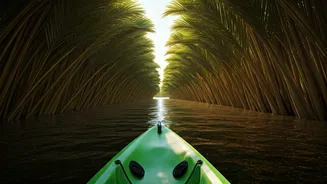
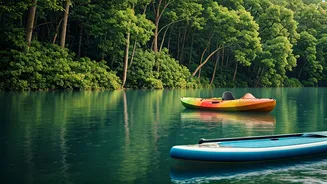
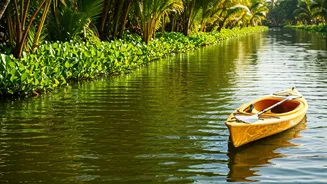
While houseboats offer comfort, a kayak offers connection. Paddling a kayak allows you to venture where larger boats cannot, deep into the narrow, winding canals that crisscross the backwater villages. This is where real life unfolds. You'll glide silently
past locals washing clothes at the water's edge, children splashing on their way home from school, and fishermen casting their nets with quiet precision. The adventure lies in the intimacy of the experience. You are not a spectator on a floating hotel; you are an active participant in the rhythm of the water. Several operators in Alleppey (Alappuzha) and Kumarakom offer guided kayaking tours, ranging from a few hours at sunrise or sunset to full-day expeditions that include a traditional Keralan lunch at a local home. No prior experience is needed, making it accessible to anyone with a spirit for exploration.
Explore on Two Wheels in Kuttanad
Kuttanad, known as the 'Rice Bowl of Kerala', is a unique region where farming is done below sea level. The best way to experience its lush green paddy fields, coconut groves, and bustling village life is on a bicycle. The flat terrain makes for easy cycling, but the adventure comes from navigating the narrow bund roads that separate the fields from the canals. You can rent a bike and set off on your own, or join a guided cycling tour. A guide can lead you through a maze of pathways to hidden temples, local tea shops, and communities that are otherwise inaccessible to tourists. It’s a sensory journey—the smell of damp earth, the sound of birdsong, and the sight of endless green stretching to the horizon. This is a chance to feel the pulse of the land and witness the incredible engineering and agricultural heritage of the region firsthand.
Paddle a Traditional Canoe (Vallam)
For a truly authentic and slightly more relaxed adventure, take a ride in a 'vallam', a traditional wooden canoe. Poled by a local guide, these slender boats are the original mode of transport in the backwaters. They are quiet, eco-friendly, and offer an unparalleled perspective on the ecosystem. You’ll be at eye level with the water lilies and lotus flowers, able to observe kingfishers and cormorants up close. This slower pace allows for deeper immersion. Your guide can share stories about the local flora and fauna, point out spice plants growing in waterside gardens, and explain the intricacies of backwater life. Many village homestays can arrange a canoe trip for you, often with the homeowner or a neighbour as your guide, providing a personal touch that transforms a simple boat ride into a memorable cultural exchange.
Go Birding in Kumarakom
For nature lovers, the adventure is in the discovery. The Kumarakom Bird Sanctuary, set on the banks of Vembanad Lake, is a haven for ornithologists and casual birdwatchers alike. While you can walk through parts of it, the best way to explore is by boat. Hire a small boat to cruise along the sanctuary's periphery, where you can spot a dazzling variety of avian life. Local species like the egret, heron, and Brahminy kite are common sights. During the migratory season (typically November to February), you can spot Siberian cranes, parrots, and flycatchers. The thrill is in the patient search and the sudden reward of a rare sighting. An early morning start is recommended when the birds are most active and the light is soft and golden, turning the lake into a photographer’s paradise.
Try Your Hand at Toddy Tapping
For a different kind of thrill, delve into one of the region's oldest traditions: toddy tapping. Toddy is a mildly alcoholic beverage made from the fermented sap of coconut palms. While drinking it in a local 'shaap' (toddy shop) is an experience in itself, the real adventure is watching a toddy tapper at work. These skilled men scale towering coconut trees with incredible agility, using a simple ring of rope around their feet. They collect the sap from the cut flower spathe in an earthen pot. Some local tour operators and homestays can arrange for you to watch a demonstration. It's a fascinating, and slightly hair-raising, display of skill, balance, and tradition that has been passed down through generations. It offers a unique insight into the local economy and culture that most tourists miss.